Navratri is all about colourful clothes, Garba, Dandiya, festive foods and plenty of family time. For children, the excitement can mean late nights, more sweets and snacks, busy schedules and lots of running around. While there is nothing wrong with enjoying the festivities, parents may need to pay a little extra attention to kids’ nutrition, hydration, sleep and hygiene during Navratri.
Also Read: Navaratri Vrat/ Fasting Guide: Significance and Healthy Food Ideas for Boosting Energy
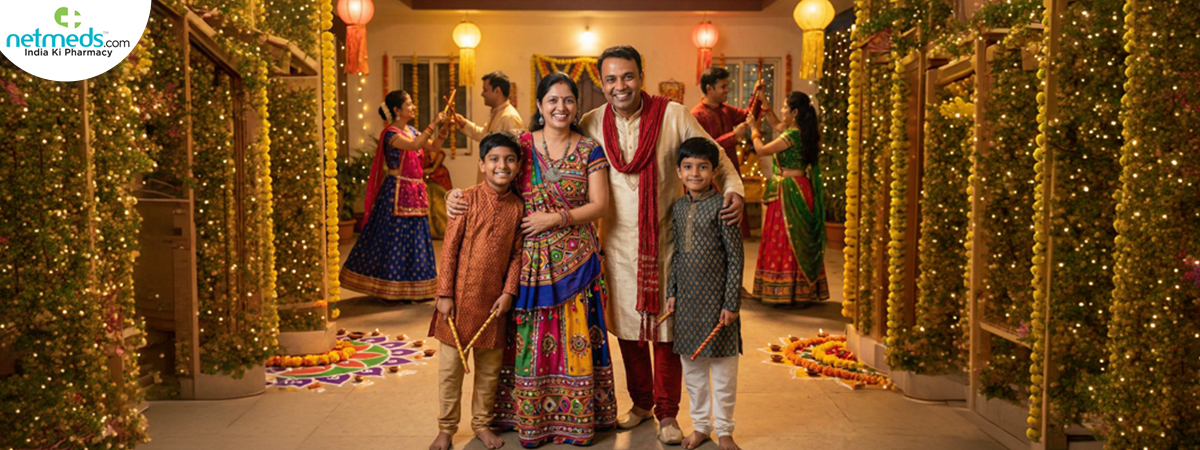
A healthy festive routine does not mean keeping children away from their favourite celebrations. Instead, small changes such as offering nutritious meals, carrying water to Garba events, encouraging handwashing and maintaining a regular bedtime can help children enjoy Navratri while staying comfortable and energetic.
Here are some simple Navratri health tips for kids that parents can follow.
10 Best Navratri Health Tips For Kids Every Parent Must Remember
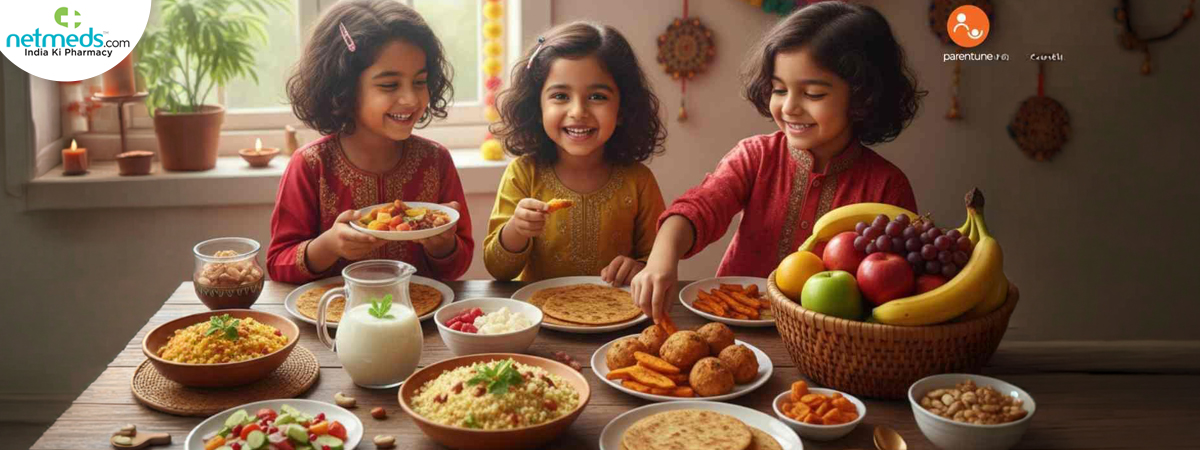
Offer Nutritious Navratri Foods
Festive foods can be delicious, but children still need a balanced diet containing carbohydrates, protein, healthy fats, vitamins and minerals.
Include plenty of:
Fresh fruits and vegetables
Milk, curd and other suitable dairy foods
Nuts and seeds, where age-appropriate
Makhana
Sweet potatoes and potatoes prepared with less oil
Kuttu or other permitted whole-food options
Homemade snacks instead of heavily fried foods
Try to combine festive foods with regular nutritious meals rather than allowing children to snack continuously throughout the day.
According to the World Health Organization (WHO), healthy diets should be adequate, balanced, diverse and based largely on minimally processed foods. Good eating habits established during childhood can also support healthy growth and development.
Important: Children should not automatically be expected to fast during Navratri. Restrictive diets or fasting may not provide enough energy and nutrients for growing children, so parents should consult a paediatrician or qualified dietitian before considering fasting.
Don't Let Festive Treats Take Over
Sweets, fried snacks and special Navratri treats are an exciting part of celebrations, but moderation is key.
Instead of completely restricting treats, offer them alongside nutritious meals and snacks. Encourage children to eat slowly and avoid replacing regular meals with sweets or fried foods.
Homemade versions can also help parents control the amount of oil, sugar and salt used.
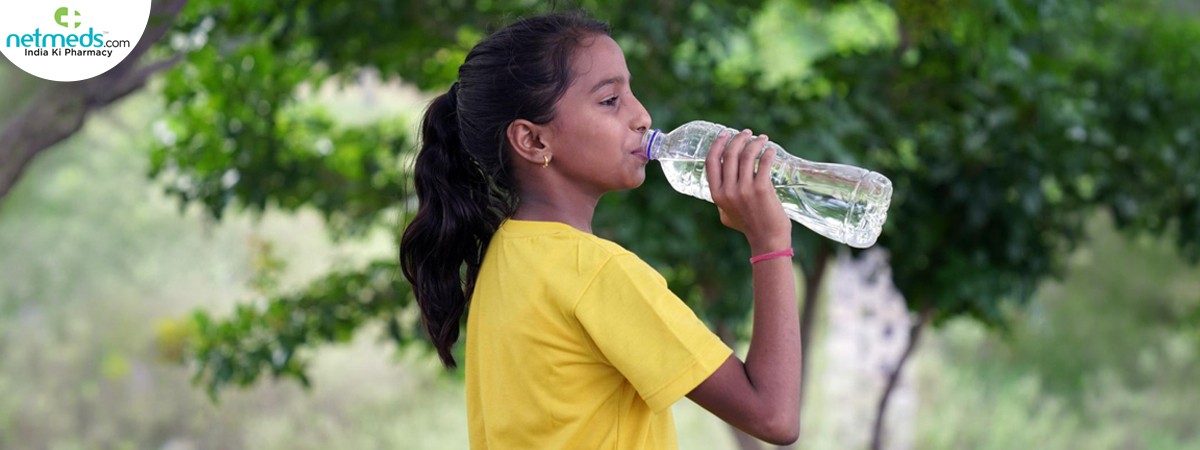
Keep Kids Hydrated During Garba And Dandiya
Dancing and playing for long periods can make children lose fluids, particularly in warm or crowded environments.
Encourage children to:
Drink water regularly throughout the day
Carry a reusable water bottle
Take water breaks during Garba or Dandiya
Eat water-rich fruits such as watermelon and oranges
Limit sugary soft drinks and heavily sweetened beverages
Children may not always recognise thirst while they are busy playing, so parents should remind them to drink water at regular intervals.
If a child develops unusual tiredness, dizziness, headache, nausea or weakness during physical activity, stop the activity and move them to a cooler, comfortable place.
Make Hand Hygiene A Festive Habit
Crowded celebrations mean children may touch shared surfaces, toys, railings and other objects before eating. Good hand hygiene can help reduce the spread of germs.
Encourage children to wash their hands:
Before eating
After using the toilet
After playing outdoors
After touching potentially dirty surfaces
After returning home from crowded events
When soap and water are unavailable, an appropriate hand sanitiser can be used under adult supervision, particularly for younger children.
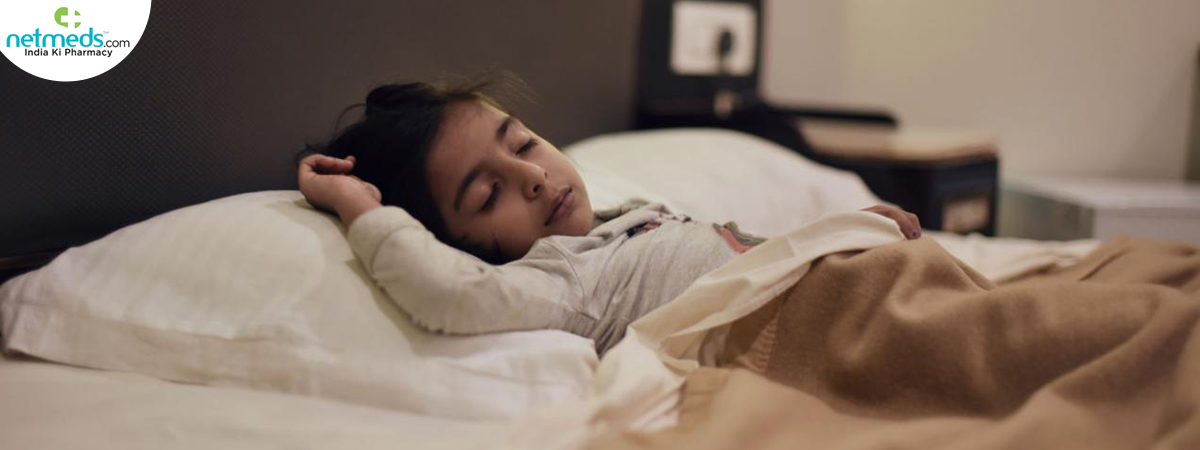
Protect Their Sleep Routine
Navratri celebrations can sometimes stretch late into the night, but children still need adequate sleep for healthy growth, learning, mood and overall well-being.
The American Academy of Paediatrics recommends approximately:
1–2 years: 11–14 hours per day
3–5 years: 10–13 hours
6–12 years: 9–12 hours
13–18 years: 8–10 hours
Try to maintain a reasonably consistent bedtime, especially on days without celebrations. After returning from a late Garba event, give children time to wind down rather than immediately exposing them to bright screens.
Younger children may also benefit from their usual daytime naps.
Be Careful With Street Food And Festive Snacks
Food hygiene becomes especially important during crowded festive events.
Parents should choose freshly prepared food from hygienic sources and avoid foods that have been sitting uncovered for long periods. Check food labels and ingredients carefully if your child has a known food allergy or intolerance.
When possible, carrying a homemade snack can be a convenient way to ensure children have a nutritious option available.
Choose Comfortable Clothes And Footwear
Traditional Navratri outfits look beautiful, but children should still be able to move comfortably while dancing and playing.
Choose breathable clothing and comfortable footwear that fits properly. Avoid excessively tight clothes, heavy accessories or footwear that can cause blisters, slips or discomfort.
If children are attending outdoor celebrations, dress appropriately for the weather and keep them comfortable throughout the event.
Give Kids Regular Breaks
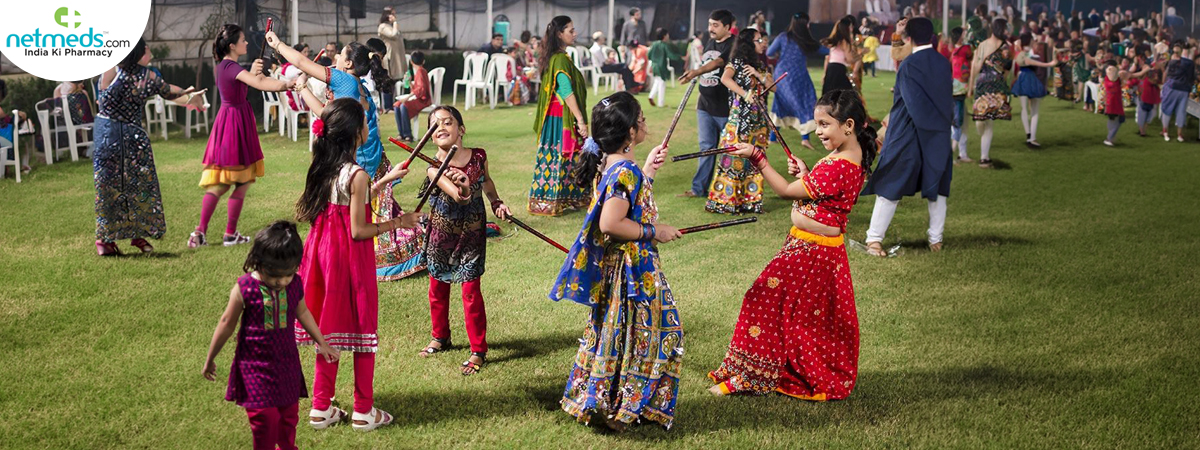
Children may get carried away while dancing with friends and family. Encourage them to take regular breaks between activities.
Watch for signs of overexertion such as excessive tiredness, dizziness, headache, nausea, breathing difficulty or unusual weakness. Stop physical activity if these symptoms appear and seek medical attention if symptoms are severe or do not improve.
Don't Forget Everyday Physical Activity
Garba and Dandiya are enjoyable ways for children to stay physically active during Navratri. However, they do not need to participate for several hours every day.
Younger children should also have opportunities for age-appropriate active play, walking and other movements throughout the day.
The focus should be on enjoying movement rather than pushing children to exercise intensely.
Create A Simple Navratri Health Checklist
Before heading out for a celebration, parents can quickly check:
Water bottle
Nutritious snack
Comfortable clothes
Proper footwear
Necessary medicines, if prescribed
Adequate rest before and after the event
This simple checklist can make festive outings safer and more comfortable for children.
The Bottom Line
Navratri is all about celebration, togetherness, music and fun, and children should be able to enjoy every bit of it. A few healthy habits can make a big difference.
Focus on balanced food, regular hydration, adequate sleep, good hand hygiene, safe food choices, comfortable clothing and plenty of rest between activities. Most importantly, listen to your child's body and avoid pushing them when they are tired or unwell.
Frequently Asked Questions
Can children fast during Navratri?
Children should not follow restrictive fasting diets without advice from a paediatrician because growing children need adequate calories and nutrients.
What should kids eat during Navratri?
Offer fruits, vegetables, dairy foods, nuts and seeds where appropriate, makhana, sweet potatoes and other nutritious foods permitted during the festival.
How can I keep my child hydrated during Garba?
Encourage regular water breaks and carry a reusable water bottle, especially during prolonged dancing or outdoor celebrations.
How much sleep do children need during Navratri?
Sleep needs vary by age, but children generally require more sleep than adults, so try to maintain their regular bedtime and avoid repeated late nights.
How can parents prevent infections during Navratri?
Encourage frequent handwashing, choose hygienically prepared food, avoid uncovered or stale foods and teach children not to touch their face with unwashed hands.
Should children dance for several hours during Navratri?
Children can enjoy dancing, but they should take regular breaks, drink water and stop if they become unusually tired, dizzy or unwell.
References:
World Health Organization (WHO) – Healthy Diet
Covers balanced, diverse and adequate diets, minimally processed foods, fruits and vegetables, and the importance of healthy eating habits during childhood.
American Academy of Pediatrics – Healthy Sleep Habits: How Many Hours Does Your Child Need?
Provides evidence-based guidance on children's sleep requirements and maintaining regular sleep routines.
HealthyChildren.org: Healthy Sleep Habits
American Academy of Pediatrics – Choose Water for Healthy Hydration
Provides guidance on children's hydration, water consumption and choosing water over sugary beverages.
HealthyChildren.org: Choose Water for Healthy Hydration
CDC – About Handwashing
Explains how handwashing helps prevent the spread of respiratory and diarrhoeal infections and identifies key times when children should wash their hands.
CDC – About Hand Hygiene as a Family Activity
Provides practical guidance for parents on teaching children proper handwashing, including washing before eating and after using the bathroom.
CDC: Hand Hygiene as a Family Activity
 Previous