


If you have explored Ayurvedic wellness, you have probably heard of Haritaki (Terminalia chebula). Often called Harad in India, this traditional Ayurvedic fruit has been valued for centuries and is frequently included in rejuvenative formulations known as Rasayana.
Haritaki Rasayana is traditionally used to support digestion, bowel regularity, nourishment and overall wellbeing. It is also associated with the classical Ayurvedic concept of Rasayana, which focuses on maintaining vitality and supporting healthy ageing.
Modern research has investigated Terminalia chebula for its antioxidant, antimicrobial, anti-inflammatory and digestive properties. However, much of the available evidence comes from laboratory and animal studies, while robust clinical evidence for specific health claims remains limited.
Let us explore Haritaki Rasayana benefits, Ayurvedic uses, ingredients, preparation, dosage, side effects and precautions in detail.
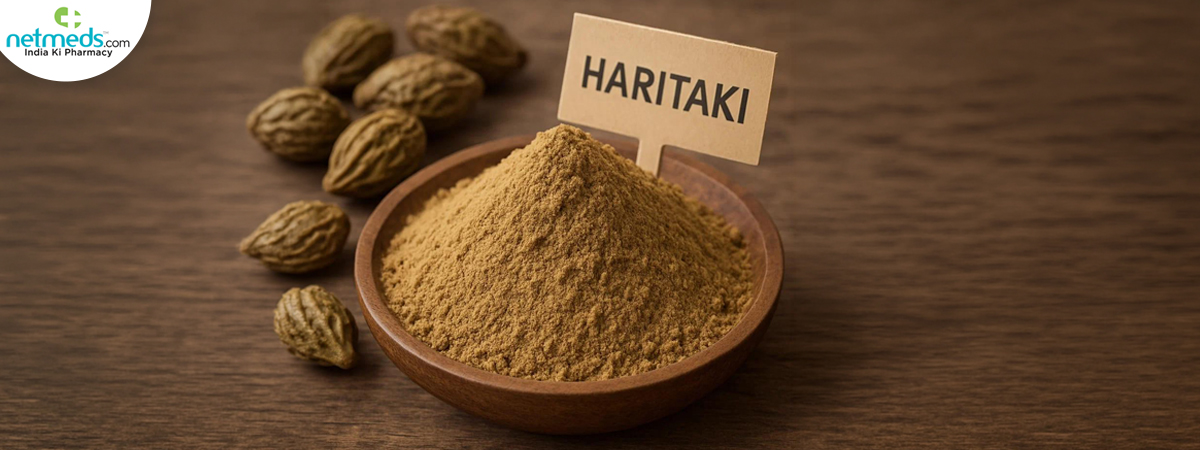
What Is Haritaki Rasayana?
Haritaki Rasayana is an Ayurvedic rejuvenative preparation centred around Haritaki fruit (Terminalia chebula Retz.). The exact formulation can vary depending on the Ayurvedic text, tradition and manufacturer.
Haritaki is one of the three fruits used in Triphala, along with Amalaki and Bibhitaki. It is traditionally considered an important herb for supporting digestion and maintaining regular bowel movements.
Haritaki contains several bioactive compounds, including:
Chebulagic acid
Chebulinic acid
Gallic acid
Ellagic acid
Flavonoids
Tannins
Phenolic compounds
The concentration of these compounds may vary according to the maturity of the fruit, geographical origin, processing method and formulation.
Haritaki Rasayana Product Description
Commercial Haritaki Rasayana products may be available as powder, paste, granules, tablets or other oral formulations.
Depending on the preparation, the product may contain Haritaki alone or Haritaki combined with ingredients such as:
Ghee
Sugar or Jaggery
Herbal powders
Other Ayurvedic ingredients
Because traditional formulations can differ, always check the product label for the complete ingredient list, recommended dosage, batch details and expiry date.
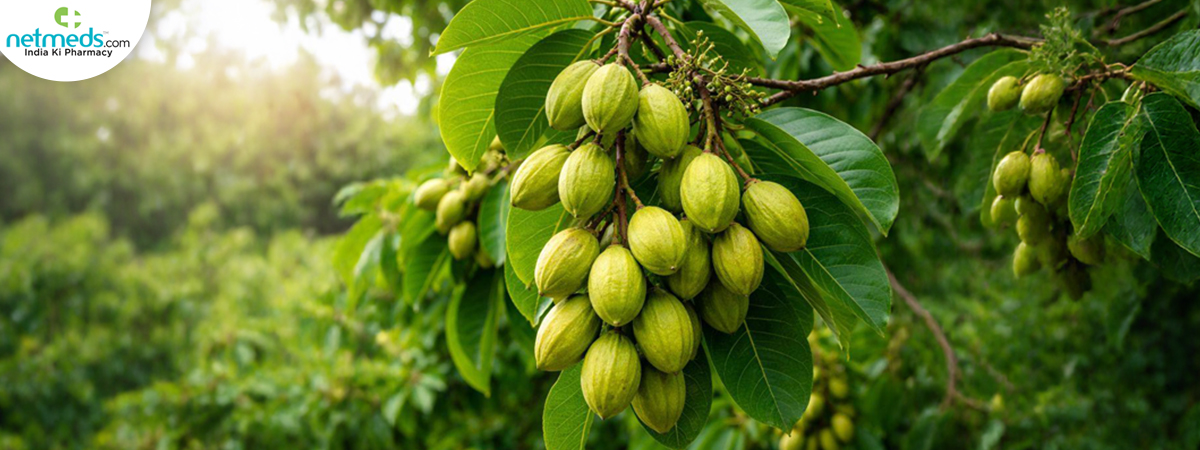
Ingredients Of Haritaki Rasayana
The principal ingredient is:
Haritaki – Terminalia chebula fruit
Traditional Rasayana preparations may incorporate additional ingredients depending on the specific recipe. These may include sweetening, nourishing or supportive substances such as honey and ghee.
Therefore, there is no single universally applicable ingredient list for every product labelled Haritaki Rasayana.
If you are buying a commercial formulation, choose a product from a reputable manufacturer and check whether the ingredients and quantities are clearly disclosed.
Method Of Preparation
The preparation of Haritaki Rasayana can differ according to the classical formulation being followed.
A general traditional preparation may involve:
Select mature, good-quality Haritaki fruits.
Clean the fruits thoroughly to remove dirt and other impurities.
Dry the fruits appropriately before further processing.
Remove the seeds if required by the particular formulation.
Pulverise the dried fruit into a fine powder.
Sieve the powder to obtain a consistent texture.
Combine the powdered Haritaki with the other prescribed ingredients.
If required, process the mixture with honey, ghee or another traditional medium.
Prepare the formulation to the consistency specified in the relevant Ayurvedic recipe.
Store the finished preparation in a clean, dry, airtight container away from excessive heat and moisture.
Traditional Ayurvedic preparations should ideally be manufactured according to appropriate quality-control and pharmaceutical standards.
Medicinal Qualities Of Haritaki
Haritaki has attracted scientific interest because it contains tannins, phenolic compounds and other phytochemicals.
Laboratory research suggests that extracts of Terminalia chebula may demonstrate:
Antioxidant activity
Anti-inflammatory activity
Antimicrobial properties
Potential digestive effects
Potential gastroprotective activity
Free-radical-scavenging activity
However, laboratory activity does not automatically mean that the same effects occur in humans at commonly used doses.
Therefore, Haritaki Rasayana should be viewed as a traditional wellness formulation rather than a proven treatment for specific diseases.
Ayurvedic Properties Of Haritaki
Haritaki is an important drug in Ayurveda and is described extensively in traditional literature.
Its commonly described Ayurvedic properties include:
Rasa: Predominantly Kashaya (astringent), with Madhura, Amla, Lavana and Katu tastes also traditionally described, making it associated with five of the six tastes except Lavana in some classical interpretations.
Guna: Laghu (light) and Ruksha (dry)
Virya: Ushna (warming)
Vipaka: Madhura (sweet post-digestive effect)
Dosha action: Traditionally considered Tridosha-balancing, although its use and dose may vary according to individual constitution and condition.
Haritaki is particularly associated with Vata regulation and digestive health in Ayurvedic practice.
These descriptions belong to the traditional Ayurvedic framework and should not be interpreted as modern pharmacological findings.
10 Potential Health Benefits Of Haritaki Rasayana
Aids Digestion
One of the best-known traditional uses of Haritaki is supporting Agni, or digestive function.
Haritaki is traditionally used to promote healthy digestion and support the normal functioning of the gastrointestinal tract. Its use is particularly associated with sluggish digestion and digestive discomfort in Ayurvedic practice.
However, persistent bloating, abdominal pain or indigestion should be medically evaluated rather than self-treated indefinitely.
Also Read: 5 Herbs For A Healthy Digestive System
Maintains Bowel Regularity
Haritaki is traditionally valued for promoting healthy bowel movements. Ayurvedic preparations containing Haritaki are commonly used to support Mala Pravrutti, or normal elimination. Depending on the preparation and amount consumed, Haritaki may have a mild laxative effect.
People experiencing chronic constipation should also focus on adequate fibre, fluids, physical activity and an appropriate diet.
Provides Antioxidant Support
Haritaki contains several phenolic compounds, including gallic acid, chebulagic acid and chebulinic acid. Laboratory studies suggest that these compounds can exhibit antioxidant activity and may help neutralise free radicals.
Nevertheless, antioxidant activity demonstrated in laboratory experiments should not be interpreted as proof that Haritaki prevents specific diseases in humans.
Remedies Inflammation
Certain compounds found in Terminalia chebula have demonstrated anti-inflammatory activity in experimental studies. This has contributed to scientific interest in Haritaki as a potential source of bioactive compounds.
However, more well-designed human research is needed before Haritaki can be recommended as a treatment for inflammatory disorders.
Improves Oral Health
Haritaki has traditionally been used in various oral-care practices. Its tannin and polyphenol content, along with antimicrobial activity observed in laboratory studies, has prompted research into its potential oral-health applications.
However, Haritaki should not replace brushing, flossing, fluoride toothpaste or professional dental care.
Promotes Gut Microbial Balance
The polyphenols and tannins in Haritaki have been investigated for possible interactions with microorganisms. Preliminary research suggests that Terminalia chebula extracts may influence microbial activity, but the precise effects on the human gut microbiome require considerably more research.
Therefore, it is premature to describe Haritaki as a proven probiotic or microbiome treatment.
Augments Skin Health
The antioxidant properties of Haritaki have also generated interest in skin health. Oxidative stress can contribute to cellular damage and skin ageing, and antioxidant-rich botanical ingredients may have a supportive role in skincare.
However, drinking Haritaki Rasayana should not be considered a proven treatment for acne, pigmentation, wrinkles or other dermatological conditions.
Also Read: The Elixir Of Youth: Proven Ayurvedic Herbs For Astounding Anti-Ageing Benefits
Supports General Wellness
Rasayana preparations are traditionally used to support strength, vitality and overall wellbeing. Haritaki's nutritional and phytochemical profile makes it an interesting traditional botanical, although there is insufficient clinical evidence to claim that it directly increases energy, prevents ageing or improves longevity.
A nutritious diet, adequate sleep, regular exercise and preventive healthcare remain much more important for long-term wellness.
Relieves Respiratory Distress
Haritaki has a history of use in traditional Ayurvedic formulations for respiratory complaints. Its traditional applications have been associated with supporting healthy mucus clearance and respiratory function.
However, Haritaki should not replace medical treatment for asthma, chronic respiratory disease, pneumonia or other significant breathing problems.
ALso Read: Respiratory Health: 5 Incredible Herbs To Boost Your Lung Power
Complements Healthy Ageing
The term Rasayana refers to a broad Ayurvedic approach concerned with maintaining health, vitality and healthy ageing. Because Haritaki contains antioxidant and other bioactive compounds, researchers have explored its potential role in age-related health.
Still, there is currently insufficient human evidence to claim that Haritaki Rasayana slows biological ageing or extends lifespan.

Haritaki Rasayana Dosage
There is no universally established modern therapeutic dosage for Haritaki Rasayana, because different preparations can contain different ingredients and concentrations.
Dosage should therefore depend on:
The specific formulation
Age
Digestive health
Individual constitution
Medical conditions
Other medicines or supplements being taken
For commercial products, follow the manufacturer's recommended serving unless an Ayurvedic physician advises otherwise.
Avoid taking large quantities in an attempt to obtain faster results, as excessive consumption may cause gastrointestinal symptoms or loose stools.
How To Take Haritaki Rasayana?
Depending on the formulation, Haritaki Rasayana may traditionally be taken with an appropriate Anupana, or accompanying substance.
Common traditional vehicles may include:
Warm water
Honey
Ghee
Milk
However, the appropriate vehicle depends on the formulation and individual requirements. Follow the product directions or consult a qualified Ayurvedic practitioner rather than combining Haritaki with a carrier on your own.
Haritaki Rasayana Side Effects
Haritaki is generally tolerated when used appropriately, but some people may experience gastrointestinal effects, particularly at higher doses.
Possible side effects include:
Loose stools
Diarrhoea
Abdominal discomfort
Bloating
Dehydration if excessive diarrhoea occurs
If severe or persistent digestive symptoms develop, discontinue use and seek medical advice.
Precautions When Using Haritaki Rasayana
Pregnancy And Breastfeeding
There is insufficient high-quality evidence regarding the safety of medicinal doses of Haritaki during pregnancy and breastfeeding. Consult a healthcare professional before use.
Children
Do not routinely give concentrated Ayurvedic formulations to children without guidance from a paediatrician or qualified Ayurvedic practitioner.
Diarrhoea Or Dehydration
Because Haritaki may influence bowel movements, people with diarrhoea or dehydration should avoid self-medication.
Chronic Medical Conditions
If you have kidney, liver, gastrointestinal or other chronic health conditions, speak with your healthcare provider before taking concentrated herbal formulations.
Medicines
If you take prescription medicines, particularly medicines affecting blood glucose, blood pressure, bowel function or fluid balance, discuss Haritaki use with your doctor or pharmacist.
Surgery
Inform your healthcare team about all herbal supplements before surgery.
Allergies
Avoid Haritaki or products containing it if you have previously experienced an allergic reaction to the ingredient.
Is Haritaki Rasayana A Detox Remedy?
Haritaki is frequently marketed as a natural detoxifying or cleansing herb.
However, the body already has sophisticated detoxification systems involving the liver, kidneys, gastrointestinal tract and lungs. There is insufficient clinical evidence that Haritaki Rasayana can "flush toxins" from the body.
Its more reasonable traditional use is as a digestive and bowel-supporting Ayurvedic preparation.
Conclusion
Haritaki Rasayana is a traditional Ayurvedic formulation centred around Haritaki, the fruit of Terminalia chebula. It has long been valued in Ayurveda for supporting digestion, bowel regularity, vitality and healthy ageing.
Modern research has identified several interesting compounds in Haritaki, including tannins and phenolic substances with antioxidant, antimicrobial and anti-inflammatory activity in experimental studies. However, clinical evidence remains limited, and many popular claims about detoxification, disease prevention and longevity require stronger human research.
If you choose to use Haritaki Rasayana, select a reputable preparation, follow the recommended dosage and avoid excessive consumption. People who are pregnant, breastfeeding, taking prescription medicines or managing chronic conditions should seek professional advice before using concentrated Ayurvedic formulations.
Ultimately, Haritaki Rasayana can complement a healthy lifestyle, but it should not replace a balanced diet, regular physical activity, adequate sleep or appropriate medical care.
References:
- National Center for Complementary and Integrative Health (NCCIH) – Ayurvedic Medicine
- NCCIH: Ayurvedic Medicine
- PubMed – Terminalia chebula and its phytochemical and pharmacological properties
- Search PubMed research on Terminalia chebula
- PubMed – Terminalia chebula antioxidant and pharmacological research
- Search PubMed research on Terminalia chebula antioxidants
- PubMed – Haritaki and gastrointestinal research
- Search PubMed research on Terminalia chebula gastrointestinal effects
 Previous