While we discuss the health of children, we tend to think about their height, weight, immunity level, or the frequency with which they get sick. But there exists a hidden world within your child that has a subtle effect on all these aspects and many other things. It is called the ‘gut microbiome,’ which refers to a ‘trillion’ bacteria present in the environment inside your child’s intestines.
Also Read: What Is Your Gut Microbiome And Its Impact On Health How To Improve, Reset And Maintain?
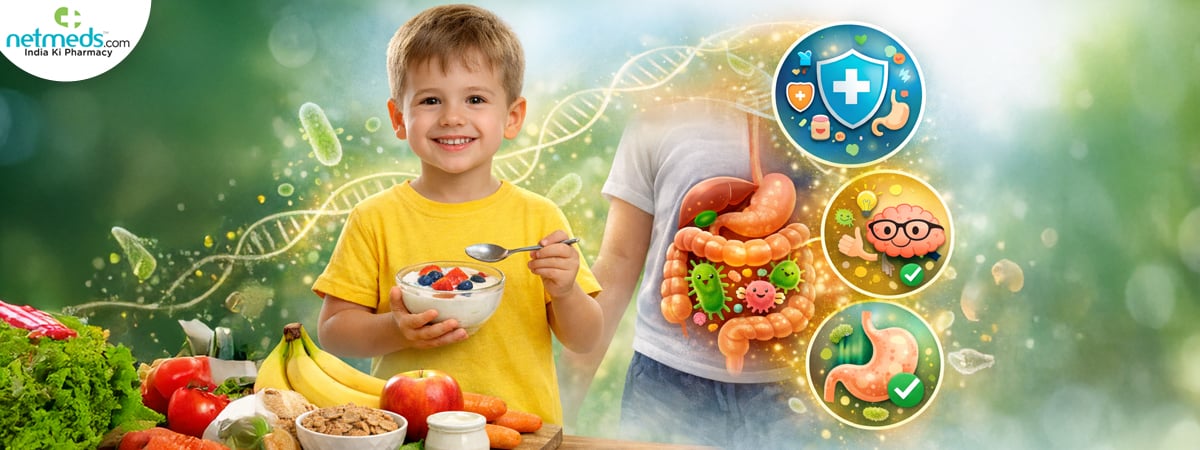
Rather than causing any harm, most of these microbes are harmless, and they are incredibly helpful and assist in things like digestion, the immune system, and even the development and functioning of the brain. Indeed, the roots of good health are often established during childhood, and this is often, of course, about their microbiome.
Also Read: 7 Must-to Add Plant-Based Foods for Good Gut Health and Function
So, let us dive into why microbial diversity in children should be of even greater concern to you than it might initially seem and what parents might do to support this aspect of their kids’ health through natural means.
What Is The Gut Microbiome?
The term ‘gut microbiome’ describes the body of helpful bacteria, viruses, and fungi residing within the digestive system. As far as kids are concerned, the developing state of the ecosystem means that the gut microbiome remains sensitive to diet and the surrounding environmental conditions.
It is helpful to note that a balanced gut microbiome helps:
- Break down food and absorb nutrients
- Protect against harmful pathogens
- Control the immune system
- Make Vitamin B12 and Vitamin K
The need for these processes is even more important in children since their brains and bodies are still in the developmental stage.
How Does the Microbiome Develop in Children?
The trajectory of a child’s microbiome starts at birth and develops rapidly within the early years of life.
Birth and Early Feeding
The microbes found in a child begin the process of formation as early as birth, and this is where the mode of delivery makes its impact. Infants delivered through normal vaginal delivery get to experience the good bacteria introduced by the mother, making it easier for the infant to develop good bacteria early in life. The process of feeding the infant also makes it easier, as formula feeding, as otherwise nutritious, introduces a different microbe to the infant's bacteria.
Introducing Solid Foods
The onset of solid food consumption represents one of the biggest changes the gut microbiome undergoes in children. This is because the body's adaptations in accommodating the food mean that the microbiome diversity improves, especially when the child is introduced to high-fibre food alternatives.

Early Childhood (2-5 Years)
The gut microbiota at this stage is beginning to look like that of a grown person and is very responsive to factors around it. These include the use of antibiotics, consumption of processed foods, and excessive sugar in the diet. Eating habits at this stage are crucial for maintaining good gut health throughout life.
The Importance Of Gut Bacteria For Kids’ Health
Improved Immunity
Nearly 70% of the immune system is located in the gut. Beneficial bacteria in the gut train the immune system to distinguish between harmless and harmful substances, thus preventing frequent infections and allergies.
Enhanced Digestion
They assist by decomposing difficult carbohydrates, lactose, and fiber, which helps to eliminate conditions like bloating, constipation, and stomach aches in children.
Brain Development
The gut and brain are closely linked via the gut-brain axis. An imbalanced gut has been shown to relate to:
Anxiety and mood swings
Poor concentration
Gut health support could be beneficial for behaviour and the regulation of emotions in kids.
Lower Risks of Chronic Problems
An unhealthy microbiome has been linked to the following:
Childhood obesity
Asthma and eczema
Autoimmune diseases in adulthood
Symptoms That Indicate An Unbalanced Bacterial Flora in the Child
Parents may not recognize the signs and symptoms of an imbalance. These signs and symptoms may include:
Frequent stomach pain, constipation, or bowel
Recurrent colds or infections
Skin conditions, including eczema
Irritability or sleep issues
This does not always include the possibility of something seriously wrong but shows the need for proper gut care.
Best Foods for Encouraging A Healthy Microbiome In Children
Fibre-Rich Foods (Prebiotics)
Prebiotics are foods that promote the growth of good bacteria
Bananas
Apples
Oats
Whole grains
Carrots and sweet potatoes
Foods With Natural Probiotics
These are foods that contain beneficial bacteria.
Curd or yoghurt made at home
Butter
Fermented foods (in small, age-appropriate amounts)
Restrict Sugars and Ultra-Processed Foods
It causes the overgrowth of harmful bacteria in the system while leading to an imbalance of the microbiome.
Role of Antibiotics and Their Effects On The Intestines
Although antibiotics may be needed, they should be taken in moderation because they could eliminate beneficial and harmful bacteria altogether. After taking antibiotics, focus more on gut-friendly foods and always talk to a paediatrician about probiotics if needed.
Simple Lifestyle Changes Children Need For A Healthy Gut
Promote outdoor games for the kids to get diverse microbes
Maintain sleep routines
A person should have
Lower stress and screen usage
Avoid unnecessary medications
Small daily practices can go a long way in building a resilient microbiome.
Can Children Take Probiotics?
There are conditions where probiotics can be useful, including:
Following antibiotic use
During digestive disturbances
However, all of them should always be administered under pediatric supervision, as the strains and dosages can vary in the case of children.
Conclusion
The microbiome in children has a far more significant influence on health than most parents know. The impact of microbiomes on matters such as the immune system, digestive functions, and the regulation of mood and metabolism spans every aspect of the child's body processes. By focusing on a balanced diet, prudent lifestyle practices, and avoiding unnecessary intervention in the natural development of the gut, parents can give their child the best chance of maintaining optimal health throughout their lifetime.
References:
 Previous