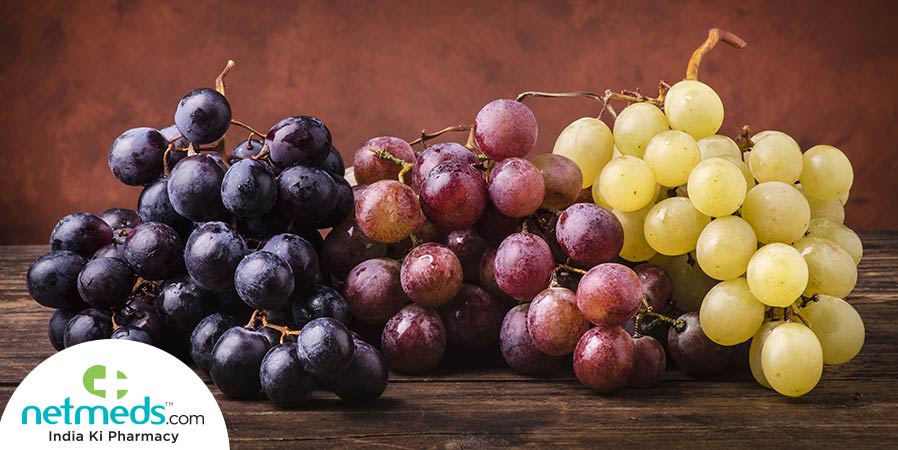
Grapevines are a bunch of berries that symbolise an abundance of love and fertility. Each bite of grapes delivers more than a burst of juicy, sweet goodness but is also abound with nutrients that may uplift your overall health. Grapes are small, round or oval-shaped berries with semi-translucent flesh enclosed by a velvety skin. This beautiful berry is a chief ingredient in making wine and is used extensively in dishing out delightful treats, energising fruit salads, and it offers a wallop of health benefits. This cluster of berries is famed as ‘the queen of fruits’.
Grapes are available in several vivid colours- green, red, blue, purple and black and this versatile fruit is relished for its sweet and tart taste. Grapes, overpowered with a dense nutrient profile is lauded for their heart benefits and promotes optimum health.

Also Read: 5 Reasons Why You Should Relish The Queen of Fruits
Grape is botanically a berry of the deciduous woody vines that belong to the flowering plant genus Vitis. Tracing its roots, the cultivation of grapes dates back to around 4000 BC, in the city of Shiraz, where it was mainly produced to make some of the superior quality wines in the Middle East. Thus, Syrah red wine is named after the city of Shiraz, where the grapes were first used to make Shirazi wine. About 72 million tons of grapes are grown annually all over the globe, which is more than bananas, oranges or apples; only 12 % grapes are grown to be eaten fresh, while the majority of grapes are used in wine production.
Grapes are a non-climacteric type of fruit that can be eaten as a standalone snack or used for making wine, jam, juice, jelly, grape seed extract, grape seed oil, raisins, vinegar, to mention a few. It grows in clusters of 15 to 300. Anthocyanins are the chemical pigments that are responsible for varying shades of colour in grapes.
This nutrient-dense fruit has several local names within the Indian subcontinent, such as Angoor in Hindi, Draksa in Telugu, Drakshi in Kannada, Tiratchai in Tamil, Drakse in Marathi and Munithiri in Malayalam.
Types Of Grapes
Grape or angoor is a popular fruit cultivated widely in India and available in different types and colours like black, white, red, green and blue. They also come in an abundance of flavours and types, both in seeded and seedless varieties known as table grapes, which are typically eaten fresh or made into dried fruit or juice, while others are used for winemaking. There are several varieties of grapes cultivated in India; let’s know about the top 8
Thompson Seedless/Sultana
It is also known as Sultana, a seedless variety that produces pale green, oval-shaped and slightly sweet grapes. This variety possesses high sugar content and is quite famous for making raisins. It is cultivated mostly in the northern parts of India.
Anab-e-Shahi
Anab-e-Shahi is an indigenous type grown widely as a table grape. It is cultivated in Punjab, Haryana, Karnataka, Tamil Nadu, and Andhra Pradesh. It is an elongated shape with white seeds.
Dilkush
It is a hybrid variety of Anab-e-shahi that has similar features. It is a pale green-white seeded grape with a tart flavour. Mostly cultivated in Karnataka for table purposes.
Banglore Blue
This variety is popular for its delightful, sweet taste and is mainly produced for churning wine. This juicy berry comes in an ovoid shape with numerous seeds that possess anti-ageing and anti-cancer properties. Kolar and Chikkaballapur in Karnataka are the hotspots where this variety is grown.
Sharad Seedless
This black-purple berry is a seedless variety that is grown for table purposes. It is oval-shaped and has a crunchy texture that is packed with a rich array of vitamins and minerals.
Perlette
Perlette is a seedless variety bearing spherical to oval-shaped, green-yellow berries. It has a very juicy and delicious pulp, which is a blend of sweet and tarty flavour. It is widely cultivated in northern states of India.
Gulabi
Gulabi, as the name suggests, is a pink-purple shaded grape that bears delicious and juicy berries, cultivated merely for table purposes. It is a small, spherical-shaped, seeded grape that is endowed with dense antioxidants and nutrients.
Arkavati
This yellow-green grape variety is sweet and seedless. It is a crossbreed of Black Champa and Thompson seedless. Arkavati is chiefly cultivated for producing raisins and wine.
Nutritional Facts
Grapes are a low-calorie fruit with a low-glycaemic index and a good source of dietary fibre. These vine goodies are a powerhouse of antioxidants such as resveratrol, vitamin C, beta-carotene, quercetin, lutein, lycopene and ellagic acids that safeguards against chronic health conditions such as diabetes, heart disease and cancer. While it also contains a noteworthy amount of vitamins K, B and C, that supports healthy bones and tissues and vitamin C promotes wound healing and helps the body absorb iron. In addition, grapes contain considerable quantities of minerals like potassium, calcium, magnesium, phosphorus and sodium. Being loaded with water grapes keep you hydrated and host of beneficial compounds plays a vital in promoting overall health.
Also Read: The Guilt-Free Fruit Guide for Diabetics
The nutrition values in a 150 g serving of Grapes, as per the U.S.D.A (United States Department of Agriculture) are as follows:
Calories: 104
Carbs: 27.3 grams
Protein: 1.1 grams
Fat: 0.2 grams
Fiber: 1.4 grams
Vitamin C: 27%
Vitamin K: 28%
Thiamine: 7%
Riboflavin: 6%
Vitamin B6: 6%
Potassium: 8%
Copper: 10%
Manganese: 5%
Ayurveda
According to the holistic science of Ayurveda, grapes are one of the must-have fruits for all; it is famed as Drakshaa Phalottamma, which means that, of all the fruits, grapes are the best. It is valued for its aphrodisiac nature, improves vision, helps in eliminating waste, heals diseases of vata, pitta and rakta and treats various respiratory ailments. Semi-ripened grapes are sourer than sweet that improves appetite and taste. While ripened grapes are sweeter and mildly sour, which is valuable in treating bleeding disorders, calms pitta dosha and balances the system.
Grapes has been mentioned in several ayurvedic scriptures for various medical indications which include Raktapitta -treats bleeding disorders such as nasal bleeding, heavy periods, Kshata -heals injury and bleeding, Kshaya -helps in depletion of body tissues, weight loss and treat tuberculosis, Jwara calms fever, Shwasa -has the power of treating respiratory disorders and asthma, Trushna relieves excessive thirst, Daha-pacifies burning sensation, gastritis, neuropathy, and burning sensation in eyes, Kamala -cures liver diseases like jaundice and Moha -calm delusion and dizziness.
Also Read: Fig/Anjeer: Nutrition, Ayurvedic, Therapeutic Benefits And Uses For Skin And Hair Health
What Colour Grapes Are Healthiest?
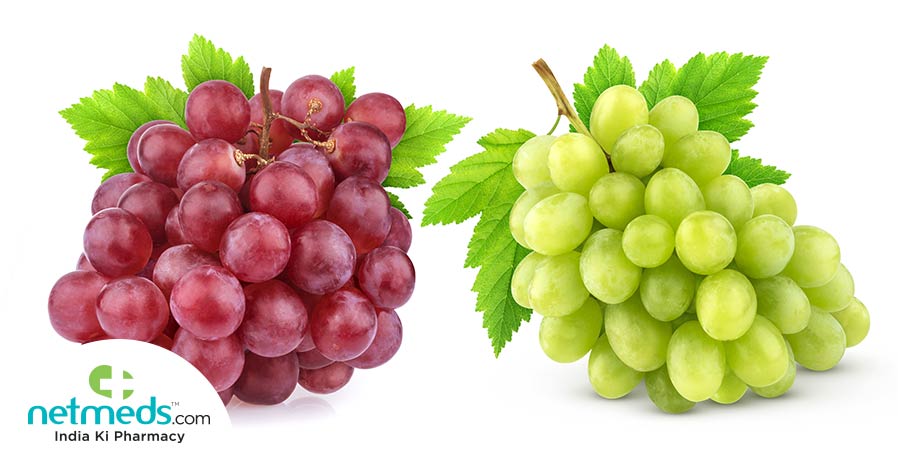
Well, nutritionally both red and white grapes are almost similar. However, red grapes may marginally verge out the white due to the abundance of resveratrol, an antioxidant found in the skin of red grapes. Resveratrol is a potent antioxidant that guards your cells against free radical damage and lowers the risk of chronic diseases. Furthermore, red grapes contain 20% more copper than white grapes, which plays a vital role in the production of red blood cells, promotes nerve and bone health and aids in the absorption of iron, thereby correcting anaemia.
Health Benefits Of Grapes
Potent Antioxidant Effects
Grapes are a storehouse of antioxidants, including a spectrum of phytonutrients from carotenoids to polyphenols. Antioxidants are beneficial compounds that fight free radical damage and lower the risk of chronic diseases such as diabetes, cardiovascular diseases and cancers. More than 1600 beneficial plant compounds are found in grapes, while the highest concentration of antioxidants is found in the skin and seeds. Grape seed extracts have been largely used in treating several health woes. The polyphenol resveratrol in grapes is well-known for its incredible characteristics such as inhibiting the formation of tumour cells, dilating blood vessels to improve blood circulation, regulating blood sugar levels and controlling blood pressure.
Prevents Cancer
A diet abundant in antioxidant-rich foods like grapes has been proven to lower the risk of cancer. Grapes, heaped with a host of plant compounds, protect the cells against several types of cancer. Noteworthy amounts of resveratrol in grapes reduce inflammation and block the growth and spread of cancer cells in the body. Apart from this, vast reserves of quercetin, anthocyanins and catechins present in grape seed extracts have been known to avert the risk of colon and breast cancer.
Augments Heart Health
Regular addition of grapes in your diet is well-known to boost heart health and optimise cardiac functions. Being intrinsically rich in polyphenols and low in potassium, grapes may control blood pressure and prevent the risk of cardiovascular diseases. While potent anti-inflammatory and antiplatelet effects of grapes promote endothelial function, diminish cholesterol levels and avert the risk of plaque and fatty deposit build-up in the arteries, supporting cardiac muscle function and uplifting heart health.
Supports Healthy Vision
Grapes are one of the best fruits boasting eye-friendly nutrients that are known to promote good vision. As per the study published by the Bascom Palmer Eye Institute, Miami, regular addition of grapes in the diet may help protect retinal deterioration at the cellular level. Furthermore, grapes aid in lowering inflammatory markers, improve photoreceptive responses and also lower the risk of age-related macular degeneration, cataract and glaucoma.
Boosts Brain Power
The goodness of resveratrol in grapes assists in improving blood flow to the brain and lowering oxidative stress that leads to ageing. The beneficial compounds in grapes speed up brain functions and mental responses, thus helping patients suffering from Alzheimer’s disease by promoting memory, attention, mood and motor function.
Manages Diabetes
Grapes have powerful antihyperglycemic characteristics, which means they lower blood sugar levels and are a good choice of fruit for diabetics. With a low glycaemic load, grapes delay gastric emptying time and regulate blood glucose levels from surging. Aside from these, resveratrol in grapes increases insulin sensitivity, which improves the body’s ability to use glucose and maintain blood sugar levels.
Fortifies Bone Health
Grapes, being a rich source of calcium, magnesium, phosphorus and vitamin K, strengthen bones in children. It also maintains bone density in older people, aiding in relieving osteoporosis symptoms. Evidence has also revealed that the daily addition of grapes in the diet provides respite from knee pain triggered due to osteoarthritis. Moreover, grapes endowed with powerful polyphenols and antioxidants support improving the flexibility and mobility of joints.
Bolsters Immunity
Bestowed with vast reserves of beneficial compounds, grapes combat bacterial and viral infections. Besides this, the wealth of vitamin C in grapes helps to build a robust immune system and keep infections at bay. Furthermore, resveratrol in grapes may protect against foodborne illness.
Slow Down Ageing
Grapes, incredibly rich in resveratrol, activate genes associated with ageing and improve lifespan. The host of plant compounds in grapes guards your skin against inflammation and helps you look youthful and toned.
Potent Anti-inflammatory Effects
Chronic Inflammation is a key factor in the development of diseases like cancer, heart disease, diabetes, arthritis and several other autoimmune diseases. Resveratrol in grapes exhibits powerful anti-inflammatory characteristics that lower the risk of metabolic syndrome by improving the lipid profile, blood pressure and blood sugar levels.
Are Grapes Good For Pregnant Women?
The plethora of nutrients present in grapes is highly beneficial for pregnant women, as it promotes normal growth and development of the baby. Enriched with the goodness of vitamins C, K, B, E, Folate, antioxidants and fibres, grapes are a must-have fruit in the diet, which bolsters immunity and balances the hormonal changes in the body during pregnancy. Aside from these, it also meets the daily dose of antioxidants such as flavonol, tannin, anthocyanins and geraniol, which avert infections and promote optimum health.
Grapes For Skin Health
Grapes are an excellent source of vitamins C, E and flavonoids, all of which may improve skin’s texture and delay the signs of ageing. While grape seeds extracts are used as a key ingredient in many skincare and beauty products.
Also Read: Impressive Benefits of Grapeseed Oil Based Products For Skin And Hair Health
Topical application of grape juice may hinder skin oedema caused by UVB ray exposure. The host of antioxidants in grapes combats free radicals in the skin cells and clears out harmful toxins from the system. The anti-ageing property of grape juice helps fade away wrinkles and fine lines, making the skin look radiant. Apart from this, grape juice also contains fair amounts of hydrolysed collagen, which is known to uplift skin elasticity, firmness and overall skin health.

Some of the advantages of taking grape juice include:
Makes the skin supple and glowing
Maintains skin tone and texture
Reduces blemishes and scars
Acts as a natural sunscreen
Grape Juice For Hair
Grape juice, blessed with an immense amount of hair-friendly nutrients, is valuable in preventing hair loss and treating hair woes. Regular consumption of grape juice supplies the body with vital nutrients like vitamin E, Linoleic acids, which strengthen hair follicles and promote the growth of stronger and lustrous hair.
Some of the other ways in which grape juice is beneficial include:
Helps in treating dandruff and avert hair fall
Adds natural shine and colour to the hair
Strengthens hair roots and maintains hair health
Recipes
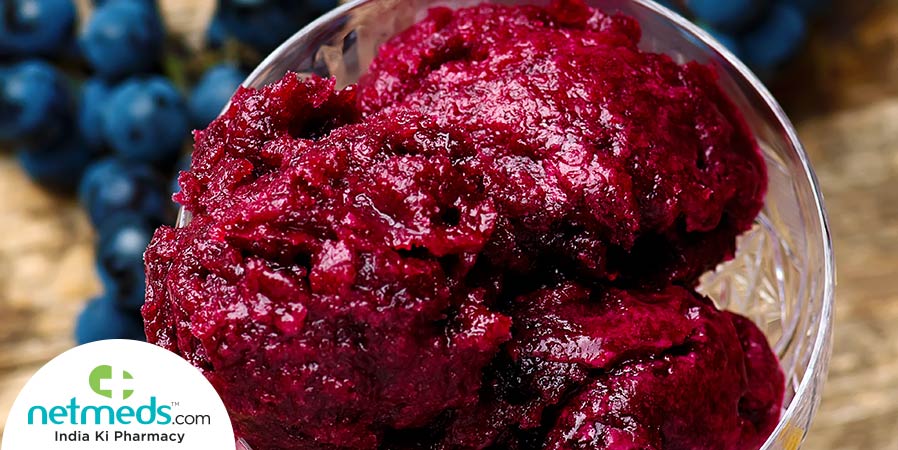
Grapes Sorbet
Grape sorbet is a refreshing and energising drink that is low in calories and heaped with nutrients. Ginger and mint juices add an extra zest to this sorbet and boost immunity.
Ingredients:
2 cups red grapes
1 tsp ginger juice
1 tsp fresh mint leaves
2 tsp lemon juice
1 tsp honey
Method
In a blender, add all the ingredients along with 1 cup water and blend till smooth.
Transfer the mixture into a container and freeze for 8 hours.
Just before serving, scoop out using a fork.
Pour equal quantities of the sorbet into 5 glasses.
Garnish with a sprig of fresh mint leaves and serve.
Nutrition
Grapes are popular fruits when it comes to boosting heart health. Loaded with antioxidants and the polyphenol compound resveratrol optimises cardiac health, boosts immunity, and improves vision and brain health. Ginger contains considerable amounts of gingerol, a plant antioxidant that eliminates free radicals and also promotes digestion. Lemon is abundant in vitamin C to boost immunity, and potassium, which regulates the electrolyte balance in the body. Honey serves as an instant source of energy.
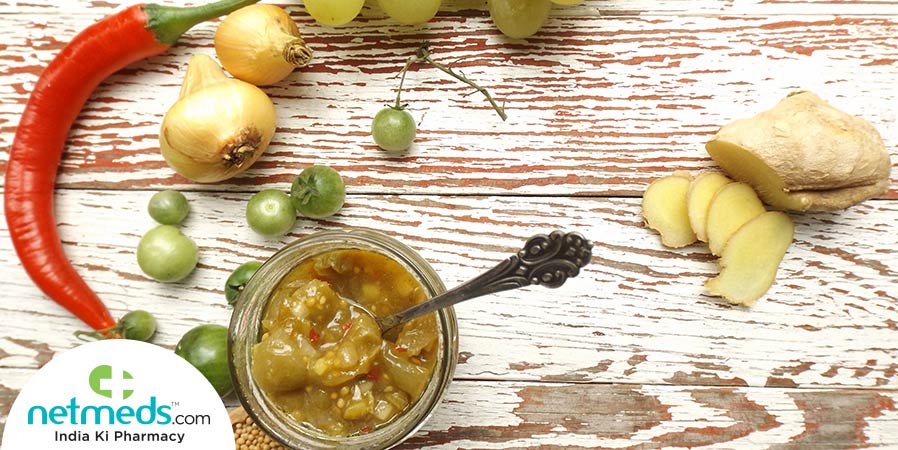
Sweet And Sour Green Grapes Chutney
Ingredients
1 cup of green grapes
1 tsp jaggery
1/2 tsp turmeric powder
1/2 tsp red chilli powder
1-inch grated ginger
2-3 cloves garlic
For tempering
1 tsp mustard seeds
1 dry red chilli
1 pinch salt
1/2 tsp oil
Method
Wash grapes and blend coarsely. Keep it aside.
In a pan, heat oil, season with mustard seeds, red chilli and add the coarsely ground grapes and cook for a few minutes.
Add all the masalas, salt and jaggery, mix well and cook on a medium flame until the chutney thickens.
Serve hot with samosa, dhokla or bajis.
Nutrition
Grapes are heaped with essential vitamins C, E, B and K that promote cell functioning, improve vision and support skin health. While ginger aids in the smooth digestion process and heals an irritated throat. Garlic packed with allicin, helps boost metabolism and immune response.
Side Effects:
Grape is safe for consumption for most people when taken in moderate amounts. However, whole grapes are a potential choking hazard for children under 5 years of age due to their small size, shape and texture. To lower the risk, whole grapes should be chopped into pieces before being served to kids.
Frequently Asked Questions
What Type Of Grapes Are The Most Nutritious?
Black or red grapes are generally considered more nutrient-rich than green grapes because they contain higher amounts of antioxidants such as anthocyanins and resveratrol. However, all grape varieties provide beneficial nutrients, including vitamin C, vitamin K, potassium, and fibre.
Can Vata Dosha Eat Grapes?
Yes. According to Ayurvedic principles, grapes are generally considered beneficial for Vata dosha because they are naturally sweet, juicy, and nourishing. Ripe, sweet grapes are preferable. Vata individuals may benefit from eating them at room temperature rather than chilled, particularly if they are prone to digestive discomfort.
What Are 5 Health Benefits Of Grapes?
Antioxidants such as resveratrol may support cardiovascular health.
Grapes contain polyphenols that help protect cells from oxidative stress.
Water and fibre content can help promote healthy digestion.
Grapes provide vitamin C and other antioxidant compounds that boost immunity.
Grape polyphenols are being studied for their potential role in supporting cognitive health.
Conclusion
Grapes, bestowed with powerful plant compounds and nutrients, benefit your overall health and well-being. Being a low glycaemic index fruit, grapes are the best bet for diabetics and also help to shed weight. The host of antioxidants like resveratrol reduces inflammation, augments heart health and averts the risk of cancer. Enjoy them whole as a standalone snack or add them to fruit bowls or refreshing summer salads. Reap the wellness incentives of this incredible berry by choosing from varied types of fresh grapes.
 Previous