Grape seed extract (GSE) is a highly valued dietary supplement obtained by removing, drying and grinding the seeds of grapes. The extract obtained is bestowed with a rich profile of antioxidants, including phenolic acids, anthocyanins, flavonoids, and oligomeric proanthocyanidin complexes (OPCs). This natural supplement is one of the richest sources of proanthocyanidins. In addition, being a storehouse of antioxidants, grape seed extract is known to avert the risk of diseases, safeguard against oxidative stress, tissue damage and chronic inflammation.
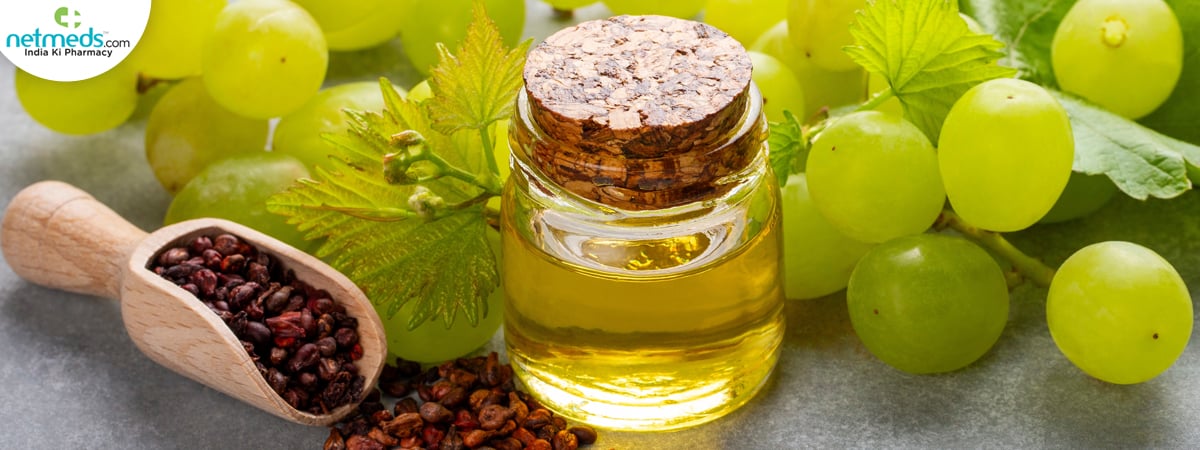
Take this two-minute read to get an overview of its nutritional value, science-backed health benefits, uses, dietary applications and side effects.
Nutrition Profile
Grape seed extract is not typically consumed as such; the nutrient profile of GSE is evaluated mainly through bioactive compounds, including:
Proanthocyanidins (OPCs) a highly potent antioxidants that ease inflammation and oxidative stress.
Catechins and Epicatechins are potent flavonoids known for their cardiovascular and metabolic benefits.
Resveratrol, though present in fair amounts, is proven to slow down signs of ageing and optimise overall heart health.
Vitamin E compounds in GSE contain natural tocopherols that support skin rejuvenation and radiance.
Linoleic acid is an essential fatty acid beneficial for maintaining the skin barrier and locking in moisture from deep within.
Evidence has strongly disclosed that antioxidants in GSE offer 20–50 times greater antioxidant power than vitamin C and E.
Health Benefits
Regulates Blood Pressure
Natural antioxidant and anti-inflammatory traits of GSE have been extensively studied for their effects in controlling high blood pressure. A study found that taking a GSE supplement on a regular basis significantly reduced systolic and diastolic blood pressure. This supplement is effective in managing high blood pressure in those suffering from metabolic syndrome.
Powerful Antioxidant/ Anti-Inflammatory Effects
GSE supplements, known for their antioxidant potential, combat free radical damage, lower inflammation, and protect tissues and healthy cells from oxidative stress. Moreover, this may lower the risk of chronic diseases like diabetes, heart disease, and certain types of cancer.
Promotes Cardiovascular Health
Several studies have suggested that grape seed extract is a valuable dietary supplement for optimising heart health and cardiac function. Regular intake improved blood vessel elasticity, reduced blood pressure, diminished LDL oxidation, prevented plaque formation, and augmented proper blood flow, mainly in individuals with venous insufficiency.
Boosts Brain/ Cognitive Function
A few studies have shown that the combination of antioxidant and anti-inflammatory traits delays the onset of neurodegenerative diseases like Alzheimer’s. Furthermore, the antioxidants have the ability to cross the blood-brain barrier, thus lowering the risk of cognitive decline. It is also helpful in improving memory and mental health.
Triggers Immunity
GSE supplement confers promising antibacterial and antifungal actions. Several pieces of evidence have revealed that GSE inhibits the growth of foodborne bacteria like E. coli and Campylobacter. In addition, GSE supplement is largely used in traditional medicine as a natural remedy for treating fungal candida infection.
Helps Manage Blood Sugar
Grape seed extract is beneficial for diabetics as it helps improve insulin sensitivity and reduce post-prandial blood glucose surges.
Protects Liver
The liver is a vital organ that plays an important role in detoxifying harmful substances and toxins from the body. GSE supplement shows a promising effect in safeguarding liver health and enhancing overall well-being.
Uses of Grape Seed Extract for Skin
Grape seed extract is widely used in dermatology and cosmetic products for its powerful anti-ageing and skin-repairing qualities.
OPCs stimulate collagen and elastin production, helping in easing fine lines, wrinkles and sagging skin.
Grape seed extract is added to skin brightening creams that inhibit tyrosinase, reducing dark spots and hyperpigmentation.
The potent anti-inflammatory and collagen-boosting properties of GSE help accelerate the wound healing process and reduce scarring.
Grape seed extracts, when applied topically, offer mild photoprotection by reducing UV-induced oxidative stress.
The richness of linoleic acid in GSE strengthens the skin barrier, locks the moisture from deep within and improves skin radiance.
Other Uses of Grape Seed Extract
Grape seed extract may promote hair growth by increasing blood flow to the scalp and strengthening hair follicles.
Natural anti-inflammatory action may reduce stiffness, pain and improve joint health.
The antimicrobial qualities may reduce bacterial plaque and support good oral health.
Also Read: Fox Grape (Vitis labrusca): Nutrition, Health Benefits, Uses, And Side Effects
Ways to Add Grape Seed Extract to Your Diet
Grape seed extract is available in numerous forms:
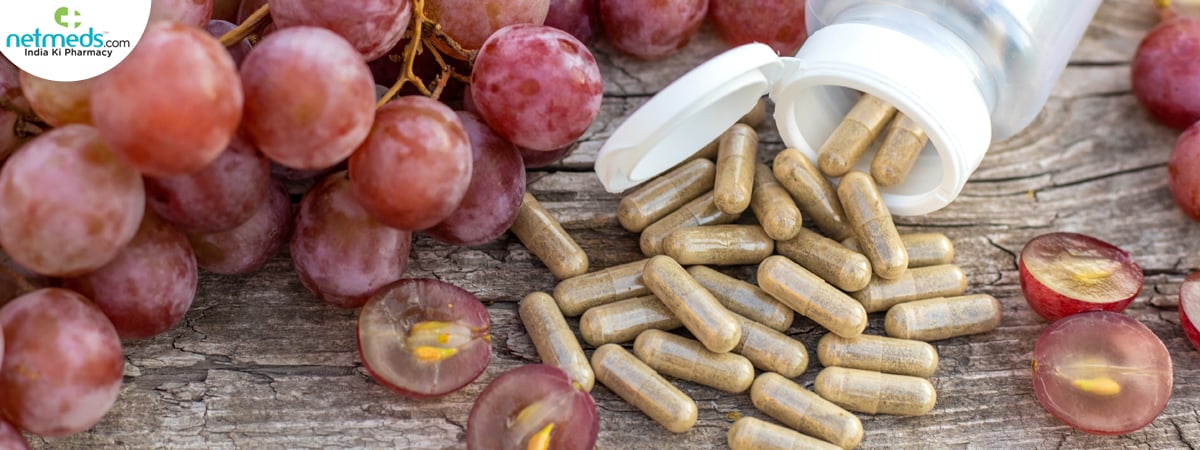
Capsules / Tablets
Capsules are the most convenient options available that aid in reaping their maximum benefits. Regular doses range from 100–300 mg/day.
Powder
Grape seed extract powder can be blended with smoothies, protein shakes and juices.
Liquid Extract
Grape seed liquid extract is added to water, or herbal teas and salad dressings to boost the nutrient profile.
Grape Seed Oil (for cooking or skin use)
Grape seed oil is not the same as GSE; it contains vast amounts of healthy fats and mild antioxidants.
While not the same as GSE, grape seed oil contains healthy fats and mild antioxidants.
To get the maximum benefits of GSE supplements, pair them with vitamin C for increased absorption.
Also, avoid taking it with high-tannin beverages like black tea, which may impede its absorption.
Side Effects
Grape seed extract is generally safe and well-tolerated by most healthy adults, but there are certain side effects if taken in excess amounts, including:
Dizziness
Nausea or stomach upset
Dry scalp or itching in rare cases
Allergic reactions, uncommon
It may also interact with blood thinners (warfarin, aspirin), blood pressure medications, anticoagulants and antiplatelet drugs.
Not safe for those who have undergone an organ transplant.
People with bleeding disorders should use caution.
Frequently Asked Questions
Who Should Not Take Grape Seed Extract?
Consult your doctor or avoid taking the GSE supplement if you are:
Are you pregnant or breastfeeding
Are on blood thinners or have a bleeding disorder.
Are scheduled for surgery, then stop 2 weeks before.
Are on medications for blood pressure, cholesterol, or heart disease.
Have a known allergy to grapes or grape products.
Is Grape Seed Extract Good For Hair?
Yes. GSE may improve hair health by:
Increasing blood supply to hair follicles.
Reducing scalp inflammation.
Providing antioxidants that protect hair follicles.
Strengthening hair strands through collagen support.
Some have experienced reduced hair fall and stronger hair growth in the long run.
Does grape seed extract remove plaque from arteries?
Grape seed extract does not remove any existing plaque, but research indicates it may:
Prevent LDL cholesterol deposits and improve blood vessel elasticity.
Eases inflammation that contributes to plaque buildup.
Thereby helps in safeguarding cardiovascular health, but it cannot reverse atherosclerosis.
Conclusion
Grape seed extract is a potent dietary supplement made from fresh seeds of grapes. Its powerful antioxidant profile, mainly proanthocyanidin’s is beneficial in easing oxidative stress, inflammation, preventing tissue damage and risk of chronic disease. Taking GSE supplements under proper medical supervision may help you reap the benefits of augmenting heart health, skin radiance, and kidney and liver health.
References:
Grape seed extract: having potential health benefits
Madhavi Gupta 1, Sanjay Dey 2, Daphisha Marbaniang 1, Paulami Pal 1, Subhabrata Ray 3, Bhaskar Mazumder
https://pmc.ncbi.nlm.nih.gov/articles/PMC7054588/
Proanthocyanidins in grape seeds: An updated review of their health benefits and potential uses in the food industry
Author links open overlay panel
Nurhan Unusan
https://www.sciencedirect.com/science/article/pii/S1756464620300852
 Previous