Digestive discomfort can occur for several reasons, including contaminated food or water, infections, sudden dietary changes, food intolerances and certain medicines. Diarrhoea, loose stools, abdominal discomfort, bloating and poor appetite can leave a person feeling weak and dehydrated. Replacing lost fluids and electrolytes remains an important part of managing diarrhoea, particularly when stools are frequent.
Ayurveda describes several traditional herbal formulations for supporting digestive health. Gangadhar Churna is one such classical Ayurvedic herbal powder traditionally associated with conditions such as Atisara (diarrhoea), Pravahika (dysentery) and other digestive disturbances.
The name Gangadhar Churna is used for more than one formulation. The classical formulation described by DAV Pharmacy contains six ingredients; Mustak, Indrayava, Belgiri, Lodhra, Dhataki Pushpa and Mochras, in equal proportions. Other commercial preparations marketed as Brihat Gangadhar Churna contain a much larger combination of herbs, so the ingredient list and recommended dosage may differ between products.
Therefore, it is important to check the product label and consult a qualified Ayurvedic physician rather than assuming that every Gangadhar Churna has the same composition.
What Is Gangadhar Churna?
Gangadhar Churna is a traditional Ayurvedic powdered formulation primarily used for digestive and bowel-related complaints. The classical six-ingredient formulation is referenced to Sharangadhara Samhita, under the section dealing with Pravahika and Atisara.
According to one classical product specification, Gangadhar Churna contains equal proportions of:
Indrayava (Holarrhena antidysenterica)
Belgiri or Bilva fruit pulp (Aegle marmelos)
Lodhra (Symplocos racemosa)
Dhataki Pushpa (Woodfordia fruticosa)
Mochras (Bombax ceiba)
The formulation is traditionally considered useful in diarrhoea, dysentery and certain intestinal disorders. However, evidence from modern research is stronger for some individual herbs than for the complete Gangadhar Churna formulation itself.
For example, experimental research has investigated the antidiarrhoeal properties of Cyperus rotundus and Aegle marmelos, while reviews have examined the traditional and pharmacological properties of Holarrhena antidysenterica. These findings provide scientific interest but should not be interpreted as proof that Gangadhar Churna can independently treat every cause of diarrhoea.
Gangadhar Churna Product Description
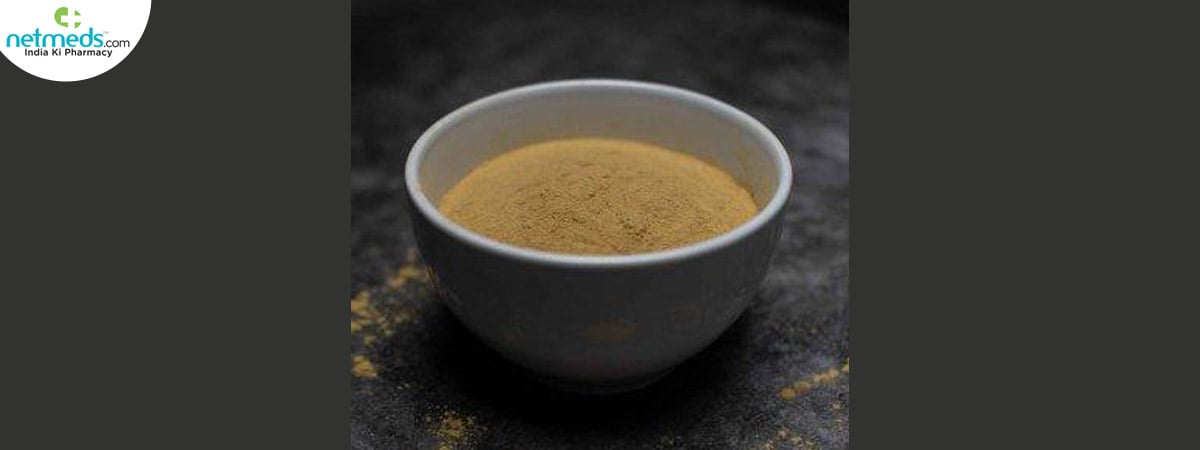
Gangadhar Churna is generally available as a fine herbal powder with a characteristic herbal aroma and a bitter or astringent taste. DAV Pharmacy describes its classical preparation as reddish-brown in colour, with a bitter taste and herbal fragrance.
The powder is generally packed in airtight containers to protect it from moisture and contamination. Commercial products may differ considerably in:
Number of ingredients
Proportion of individual herbs
Particle size
Manufacturing method
Recommended dosage
Anupan or vehicle used for administration
Some manufacturers also sell Brihat Gangadhar Churna, which contains substantially more herbs than the classical six-drug formulation. For example, Patanjali's current product listing contains Musta, Araluka, Sunthi, Dhataki, Lodhra, Balaka, Bilva, Mochrasa, Patha, Indrayava, Vatsaka, Amra-bija, Prativisha and Lajjalu.
Always check the label of the specific product before using it.
Ingredients In Gangadhar Churna
Mustak
Mustak, botanically identified as Cyperus rotundus, is an aromatic rhizome traditionally used in Ayurveda for digestive and gastrointestinal complaints. Modern reviews have investigated its potential antidiarrhoeal, anti-inflammatory and gastroprotective activities.
Indrayava
Indrayava refers to the seeds of Holarrhena antidysenterica, also known as Kutaja or Kurchi. The plant has a long history of Ayurvedic use in bowel disorders, particularly diarrhoea and dysentery. Modern reviews have reported antidiarrhoeal and antimicrobial activities in experimental research.
Belgiri
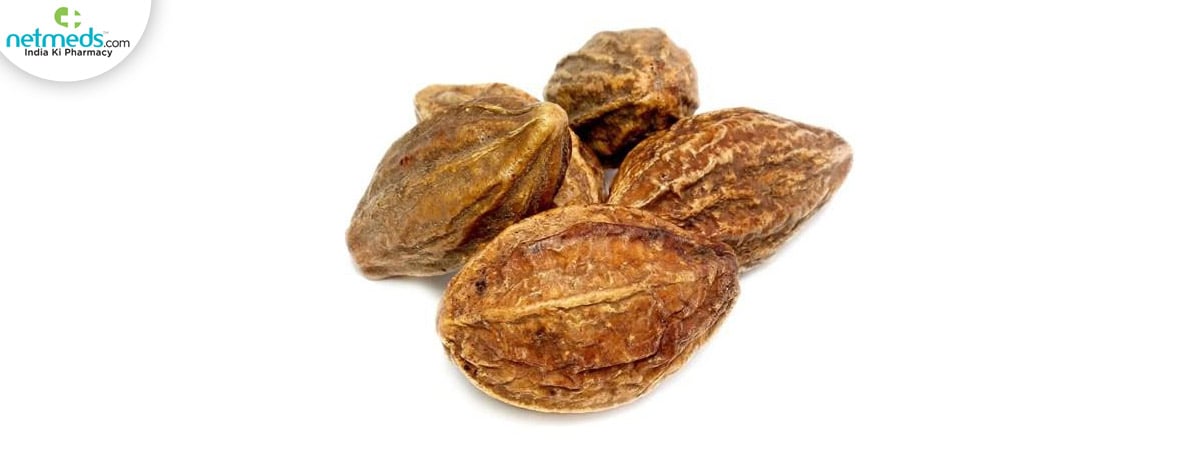
Belgiri is the dried fruit pulp of Aegle marmelos, commonly known as Bael. The fruit has traditionally been used for digestive complaints. Experimental studies have investigated the antidiarrhoeal effects of unripe Bael preparations, including effects on intestinal movement and fluid accumulation.
Lodhra
Lodhra is derived from Symplocos racemosa. It is traditionally used in Ayurveda for several conditions, including certain gastrointestinal complaints. Experimental studies have reported antidiarrhoeal, anti-inflammatory and analgesic activity in extracts of the plant.
Dhataki Pushpa
Dhataki, or Woodfordia fruticosa, is traditionally used in Ayurvedic preparations, including formulations associated with digestive health. Research has explored its phytochemicals and possible gastroprotective properties.
Mochras
Mochras is the plant exudate traditionally obtained from Bombax ceiba. It is used in several traditional formulations and is included in the classical Gangadhar Churna combination.
Method Of Preparation Of Gangadhar Churna
The exact manufacturing process depends on the formulation and manufacturer. In the classical six-ingredient preparation, the herbs are generally cleaned, dried where necessary, powdered separately and then blended in equal proportions.
A typical manufacturing process involves:
Select authentic raw herbs of appropriate quality.
Remove dirt, foreign material and other impurities.
Dry the ingredients under suitable conditions.
Pulverise each ingredient into a fine powder.
Pass the powders through an appropriate sieve.
Mix the ingredients in the prescribed proportions.
Test the finished batch for quality and safety.
Pack the final powder in a clean, moisture-resistant container.
DAV Pharmacy describes a process involving cleaning, weighing, coarse powdering, sieving, testing and final packaging according to its manufacturing procedures.
Gangadhar Churna should preferably be purchased from a reputable manufacturer rather than prepared at home, particularly because some expanded formulations contain botanicals that require correct identification and appropriate processing.
Medicinal Qualities Of Gangadhar Churna
Gangadhar Churna is traditionally regarded as a digestive-supporting Ayurvedic formulation, particularly in conditions involving loose stools and disturbed bowel function.
Its classical ingredients have different traditional roles:
Mustak: traditionally used for digestive and bowel disturbances.
Indrayava: traditionally associated with management of diarrhoea and dysentery.
Bilva: traditionally used to support bowel function.
Lodhra: traditionally valued for its astringent properties.
Dhataki: traditionally included in digestive and fermented Ayurvedic preparations.
Mochras: traditionally used in formulations for gastrointestinal complaints.
Modern research has identified several potentially bioactive constituents in these plants, including tannins, flavonoids, alkaloids and other phytochemicals. However, laboratory or animal findings cannot automatically be translated into clinical benefits in humans.
Ayurvedic Properties Of Gangadhar Churna
From an Ayurvedic perspective, Gangadhar Churna is traditionally associated with the management of Atisara, Pravahika and related digestive disturbances.
The formulation is generally discussed in relation to:
Rasa: The individual ingredients contribute predominantly astringent, bitter, pungent and other tastes depending on the herb.
Guna: Several ingredients are traditionally considered digestive and absorbent in nature.
Virya: The thermal properties vary among individual ingredients and should not be reduced to one universal classification for every commercial product.
Dosha: Classical Ayurvedic interpretation associates the formulation with digestive disorders involving disturbed doshas, particularly conditions presenting with excessive intestinal discharge.
Karma: Its traditional actions are described in terms such as Grahi and support for Atisara management. These Ayurvedic concepts describe traditional therapeutic actions and are not equivalent to modern pharmacological mechanisms.
10 Amazing Benefits Of Gangadhar Churna
Manages Occasional Diarrhoea
Gangadhar Churna is traditionally used for Atisara, the Ayurvedic term broadly associated with diarrhoea and excessive bowel movements. Several of its individual ingredients have also been investigated for antidiarrhoeal activity.
Studies on Cyperus rotundus and Aegle marmelos have reported antidiarrhoeal effects in experimental models. However, these studies do not establish that the complete Gangadhar Churna formulation treats infectious diarrhoea in humans.
Diarrhoea can result from infections, food intolerance, medicines and other medical conditions, so persistent or severe symptoms require appropriate medical assessment.
Also Read: Diarrhea/Loose Stools: Causes, Symptoms, and Effective Home Remedies
Aids Digestion
Digestive discomfort may involve loose stools, abdominal uneasiness, bloating and altered bowel habits. Traditionally, the herbs in Gangadhar Churna are selected to support gastrointestinal function.
Mustak, Bilva and other ingredients have been investigated for gastrointestinal activities, although the evidence varies considerably between herbs.
Also Read: 7 Foods To Improve Gut Digestion
Improves Bowel Function
Bilva, Mustak and Indrayava are traditionally used in Ayurvedic approaches to bowel disturbances. Their inclusion in Gangadhar Churna reflects the formulation's traditional focus on maintaining appropriate bowel function.
This should not be interpreted as a treatment for chronic bowel disease, inflammatory bowel disease or unexplained long-term changes in bowel habits.
Treats Loose Stools
The astringent and traditionally Grahi nature attributed to several ingredients may explain the classical use of Gangadhar Churna when stools are excessively loose.
Research into Aegle marmelos has explored effects on intestinal motility and fluid accumulation, while Cyperus rotundus has demonstrated antidiarrhoeal effects in experimental studies.
Treats Digestive Troubles Associated With Infection
Changes in diet, mild digestive upset or short-term gastrointestinal disturbances can affect appetite and bowel habits. Gangadhar Churna is traditionally used as part of Ayurvedic digestive care in such situations.
However, it should not replace hydration, appropriate nutrition or medical treatment when an underlying infection or other illness is suspected.
Also Read: Irritable Bowel Syndrome: 5 Incredible Ayurvedic Herbs To Relieve IBS
Reduce Digestive Discomfort Associated With Frequent Bowel Movements
Repeated loose stools can be accompanied by abdominal discomfort and weakness. Traditional formulations such as Gangadhar Churna are used to support bowel stability.
The individual herbs may have gastrointestinal effects, but robust clinical trials specifically evaluating the complete formulation are limited.
Eases Gut Health
Mustak and Bilva have long histories of traditional use for gastrointestinal complaints. Modern pharmacological research has investigated several of their constituents for possible gastrointestinal, anti-inflammatory and antidiarrhoeal effects.
These findings provide a basis for further research but should not be considered definitive clinical proof.
Improves Digestion During Occasional Dyspepsia
Some commercial Gangadhar Churna descriptions mention use for dyspepsia, gas and bloating. The aromatic and digestive herbs included in some variants may contribute to these traditional uses.
Because formulations differ, consumers should not assume that every Gangadhar Churna product has identical digestive actions.
May Complement Traditional Management Of Dysentery
Pravahika, commonly translated as dysentery, is among the traditional indications associated with Gangadhar Churna. Some ingredients, particularly Indrayava, have been extensively investigated for potential antidiarrhoeal effects.
However, blood or mucus in stools, fever, severe abdominal pain or significant weakness requires medical evaluation. Herbal preparations should not delay diagnosis or appropriate treatment.
Provides A Combination Of Traditionally Used Medicinal Herbs
One of the notable features of Gangadhar Churna is its combination of several botanicals rather than relying on one plant.
This traditional polyherbal approach may provide multiple phytochemicals, but the exact clinical contribution of each ingredient and their interaction requires further research. The available evidence should therefore be interpreted cautiously.
Dosage Of Gangadhar Churna
The dosage depends on the formulation, age, health status, symptoms and advice of the Ayurvedic physician.
For the classical Gangadhar Churna listed by DAV Pharmacy, the stated dose is 1–3 g or as directed by a physician, with water or honey as the anupan.
Other commercial preparations recommend different doses. Patanjali's Brihat Gangadhar Churna, for example, lists 3–6 g with honey or tandulodaka, while other manufacturers provide different directions.
Therefore:
Do not use the dosage of one Gangadhar Churna product for another product.
The powder should be measured accurately using an appropriate measuring spoon or scale and taken exactly as directed on the label or by a qualified healthcare professional.
Side Effects Of Gangadhar Churna
Gangadhar Churna may be tolerated by many people when used appropriately, but side effects are possible.
Potential problems may include:
Abdominal discomfort
Nausea
Constipation or changes in bowel frequency
Bloating
Taste-related discomfort
Allergic reactions to individual herbs
Worsening gastrointestinal symptoms if used inappropriately
Taking an excessive amount may aggravate digestive symptoms rather than improve them.
Because diarrhoea itself can cause significant fluid and electrolyte loss, Gangadhar Churna should never be considered a substitute for adequate rehydration. WHO recommends oral rehydration solution as an important treatment for replacing fluids and electrolytes lost during diarrhoea.
Precautions While Using Gangadhar Churna
Consult A Doctor For Persistent Diarrhoea
Seek medical advice if diarrhoea persists, becomes severe or is accompanied by fever, repeated vomiting, severe abdominal pain, blood in stools or signs of dehydration.
Do Not Self-Medicate For Bloody Diarrhoea
Blood or pus in the stool can indicate a condition requiring medical assessment. Do not rely solely on an Ayurvedic digestive formulation.
Pregnancy And Breastfeeding
Pregnant or breastfeeding women should consult a qualified doctor or Ayurvedic physician before taking Gangadhar Churna because formulations and ingredient combinations vary.
Children
Children should not be given adult doses. Use in children should be undertaken only with appropriate professional guidance.
Chronic Digestive Conditions
People with inflammatory bowel disease, chronic diarrhoea, malabsorption, liver disease, kidney disease or other long-term medical conditions should seek professional advice before using herbal formulations.
Check The Ingredient List
The name Gangadhar Churna may refer to different formulations. Some products contain six ingredients, while Brihat formulations may contain many more herbs. Always check the label carefully.
Maintain Hydration
During diarrhoea, replacing lost fluids and electrolytes is essential. WHO and NIDDK recommend appropriate oral rehydration as an important part of diarrhoea management.
When Should You See A Doctor?
Do not delay medical care if diarrhoea is accompanied by:
Blood or pus in stools
Black, tarry stools
Severe abdominal or rectal pain
High fever
Frequent vomiting
Severe thirst or dry mouth
Very little urination
Dizziness or unusual weakness
Six or more loose stools in a day
Symptoms lasting more than two days in an adult
Children, older adults, pregnant women and people with weakened immunity or significant underlying illnesses may require earlier medical attention.
Conclusion
Gangadhar Churna is a traditional Ayurvedic herbal powder primarily associated with digestive and bowel-related complaints such as Atisara and Pravahika. The classical formulation commonly contains Mustak, Indrayava, Belgiri, Lodhra, Dhataki and Mochras in equal proportions, although commercially available products can differ substantially.
Research into individual ingredients such as Cyperus rotundus, Aegle marmelos and Holarrhena antidysenterica has produced interesting findings related to gastrointestinal and antidiarrhoeal activity. Nevertheless, clinical evidence specifically evaluating the complete Gangadhar Churna formulation remains limited.
It is therefore best regarded as a traditional Ayurvedic formulation that may support digestive health when appropriately selected and professionally advised, rather than as a universal treatment for diarrhoea or dysentery. Adequate hydration remains essential, and symptoms suggesting infection, dehydration or another serious condition require timely medical attention.
References:
- DAV Pharmacy – Gangadhar Churna: Classical composition, preparation method, dosage and traditional indications. DAV Pharmacy Gangadhar Churna
- Patanjali – Divya Brihat Gangadhar Churna: Current ingredient list, dosage and product information for a broader Gangadhar formulation. Patanjali Divya Brihat Gangadhar Churna
- Baidyanath – Gangadhar Churna: Commercial formulation and ingredient information. Baidyanath Gangadhar Churna
- PubMed – Cyperus rotundus Traditional Uses & Pharmacology: Review of Mustak's traditional and pharmacological properties. Cyperus rotundus review – PubMed
- PubMed – Cyperus rotundus and Infectious Diarrhoea: Experimental investigation of its antidiarrhoeal activity. Cyperus rotundus and infectious diarrhoea – PubMed
- PubMed – Aegle marmelos and Diarrhoea: Research examining the traditional antidiarrhoeal use of Bael. Aegle marmelos antidiarrhoeal study – PubMed
- PubMed – Holarrhena antidysenterica Review: Review of Kutaja/Indrayava and its reported pharmacological activities. Holarrhena antidysenterica review – PubMed
- PubMed – Symplocos racemosa Review: Review of Lodhra's traditional uses and pharmacological research. Symplocos racemosa review – PubMed
- PubMed – Woodfordia fruticosa: Research review covering Dhataki's traditional uses and pharmacological findings. Woodfordia fruticosa review – PubMed
- WHO – Diarrhoeal Disease: Guidance on rehydration, ORS, nutrition and when professional care is needed. WHO Diarrhoeal Disease
- NIDDK – Treatment of Diarrhea: Evidence-based guidance on hydration, treatment and medical care. NIDDK Treatment of Diarrhea
- NIDDK – Symptoms & Causes of Diarrhea: Warning signs including dehydration, blood in stools, severe pain and persistent symptoms. NIDDK Symptoms & Causes of Diarrhea
 Previous