The Dragon’s Blood Tree (Dracaena cinnabari) is one of nature’s most fascinating plants, known for its striking umbrella-shaped crown and the deep red resin it produces. Often called “dragon’s blood,” this resin has been valued for centuries in traditional medicine, skincare, and natural healing remedies. Today, it continues to gain popularity for its potential health benefits, including wound healing, anti-inflammatory effects, and overall wellness.

In this blog, we explore the key medicinal uses of the Dragon’s Blood Tree, its health benefits, recommended dosage, possible side effects, and important precautions to help you use it safely and effectively.
Stay in bloom with our wide selection of Ayurvedic and botanical-based wellness solutions!
What Is Dragon’s Blood Tree (Dracaena cinnabari)?
The Dragon’s Blood Tree, scientifically named Dracaena cinnabari Balf. f., belongs to the family Asparagaceae (or formerly Dracaenaceae). It is native and endemic to Socotra Island in Yemen, meaning it occurs naturally only there.
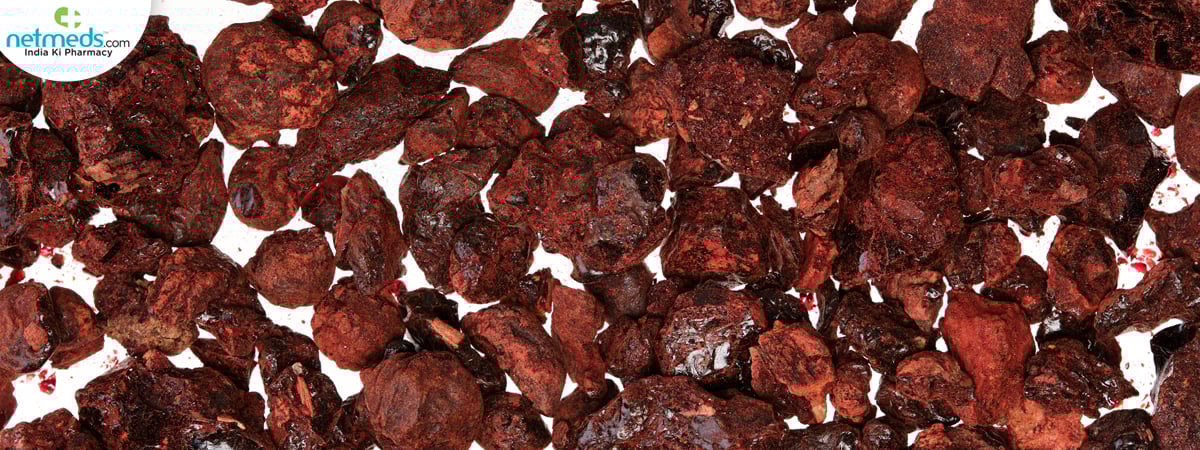
Its common name “Dragon’s Blood” refers to the thick, dark red resin exuding from the trunk and branches of the tree when it is wounded. The resin has been culturally valued for dyes, varnishes and medicinal uses for centuries.
In traditional medicine, especially in Socotra, the resin is used for wounds, skin ailments, gastrointestinal complaints, bleeding, and more.
From an ecological and cultural perspective, the tree is a symbol of one of the world’s most unique biodiversity hotspots Socotra and a reminder of how nature supplies both aesthetic wonder and therapeutic potential.
Plant Description
Dracaena cinnabari, commonly known as the Dragon’s Blood Tree, is an evergreen species that typically grows up to about 9–10 metres tall, though in harsh arid environments it often remains shorter. It is notable for its thick, stout trunk and distinctive umbrella-shaped crown formed by dense, dichotomous branching. Unusual among monocots, this tree exhibits secondary growth, showing tree-ring-like zones, a rare feature within the Dracaena genus.
The leaves of Dracaena cinnabari grow at the ends of the youngest branches and are shed every few years as new foliage matures. They are typically rigid, somewhat lanceolate, and arranged in dense clusters. Flowering occurs at the tips of branches, producing small, fragrant greenish-white blossoms. The fruits are fleshy berries that contain 1–4 seeds and transition in colour from green to black and finally to bright orange upon ripening.
When the tree is wounded, it exudes a deep red resin known as “Dragon’s Blood,” which serves as its principal medicinal and industrial product. Historically, this resin was highly valued and widely traded, being used as a natural dye, varnish, and in traditional medicine for its healing and anti-inflammatory properties.
This species is native to Socotra Island, where it thrives on arid, rocky slopes and elevated plateaus, often relying on mist and fog for moisture. However, its regeneration rate is extremely poor, and it faces increasing threats from overgrazing, habitat degradation, and climate-induced stress, making conservation efforts critical for its survival.
Vernacular And Other Names Of Dragon’s Blood Tree:
English: Dragon’s Blood Tree, Socotra Dragon Tree
Hindi: Rakta Vriksha, Khoon Ka Ped
Sanskrit: Rakta Vriksha, Rakta Sara, Khoonasava
Tamil: Raththa Maram, Chenthane
Telugu: Rakta Chettu
Kannada: Raktha Mara
Malayalam: Chovanna Maram
Gujarati: Rakta Vruksh
Marathi: Rakta Vruksha
(Note: The names are based on the tree’s distinctive red resin ‘Dragon’s Blood,’ interpreted as ‘Rakta’ or ‘blood’ in most Indian languages.)
This structural and habitat information helps us appreciate its rarity, uniqueness and value both botanically and therapeutically.
Dragon’s Blood Tree Medicinal Qualities
The medicinal properties of Dracaena cinnabari (especially its resin) have been documented in ethnobotanical surveys as well as phytochemical and pharmacological studies. Here are some key qualities:
The resin has been shown to possess antidiarrheal, anti-ulcer, antimicrobial, antiviral, anti-tumour, anti-inflammatory, analgesic, wound-healing and antioxidant activities.
In Socotra traditional medicine, the resin is used for dermal disorders (skin, head sores, burns), dental ailments, eye diseases, internal & external bleeding, gastrointestinal diseases (e.g., stomach pain, dysentery), etc.
The tree’s resin was also historically used as a coagulant (to control bleeding), as well as in general wound healing.
Phytochemicals isolated include biflavonoid cinnabarone, triflavonoids, metacyclophanes, chalcones, sterols, terpenoids, etc.
In short, the medicinal potential is broad, though as with many botanicals, human clinical data remain limited and caution is warranted.
Dragon’s Blood Tree Ayurvedic Properties
While Dracaena cinnabari is not widely documented in classical Ayurvedic texts (which are primarily Indian regional), we can apply the Ayurvedic lens by analogy, given its known actions and properties. Consider the following formulation:
Rasa (Taste): Astringent (Kashaya); since resinous and coagulating; possibly bitter (Tikta) due to anti-inflammatory/antimicrobial action
Guna (Quality): Ruksha (dry) and Sheeta (possibly cooling in nature) in terms of astringent action, but may have Ushna (hot) potential if internal bleeding/hemostatic action
Virya (Potency): Ushna (hot) for hemostatic/coagulant effect, but possibly mixed
Vipaka (Post-digestive effect): Katu (pungent) or Kashaya (astringent)
Dosha Effect: Likely balances Kapha (by drying/moving) and controls bleeding (Vata + Pitta involvement). Excess use could aggravate Vata (dryness) or Pitta (heating), depending on the dose.
In Ayurvedic terms, the resin may act to arrest Rakta prameha (blood disorders), reduce Rakta vaha srotas leakage (bleeding), treat dushta twaka (skin disorders), and enhance agni (digestive fire) indirectly via anti-inflammatory/antimicrobial activity.
Though classical Ayurvedic nomenclature for Dracaena cinnabari is scarce, the above framework provides a bridge for integrating its modern pharmacology with Ayurvedic thinking.
10 Extraordinary Health Benefits Of Dragon’s Blood Tree
Promotes Wound Healing
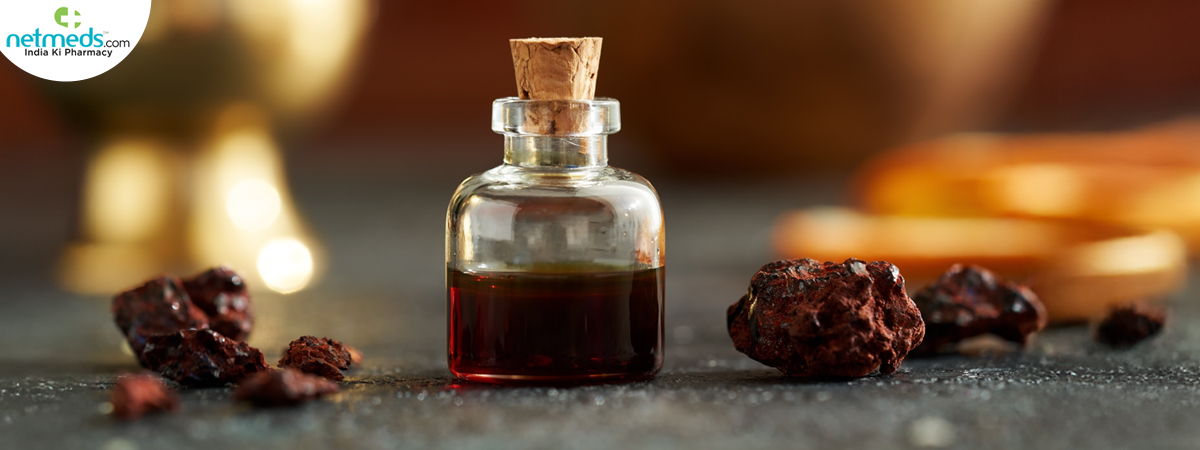
The Dragon’s Blood resin has long been used as a natural coagulant and topical agent for treating wounds, cuts, and burns. Research supports its anti-inflammatory and wound-healing properties, highlighting its ability to promote tissue repair, minimize bleeding, and accelerate healing. However, it should only be applied externally under hygienic conditions and must not be used as a replacement for medical care in cases of deep or surgical wounds.
Prevents Infections
Traditional medicine often employed the resin of Dracaena cinnabari for treating skin infections, dental ailments, and fungal conditions. Modern in vitro studies confirm its strong inhibitory effects against various pathogenic fungi and bacteria. This suggests potential benefits in managing skin infections, oral microbes, and gastrointestinal pathogens. Still, laboratory results don’t always equate to proven or safe internal use, so caution is advised.
Aids Digestions
The resin has been used for centuries to treat digestive issues like diarrhoea, dysentery, and stomach ulcers. Scientific studies back these traditional uses, showing anti-diarrheal and gastroprotective activities that can help soothe the gut and support recovery from acute digestive disturbances. Nonetheless, anyone experiencing severe or chronic gastrointestinal problems should seek medical attention rather than relying solely on herbal remedies.
Also Read: Diarrhea/Loose Stools: Causes, Symptoms, and Effective Home Remedies
Subsides Inflammation
Pharmacological reviews recognise the resin’s anti-inflammatory and analgesic effects, making it beneficial for easing pain, swelling, and redness in wounds or external injuries. Its topical use may help alleviate discomfort from skin inflammation and minor trauma. However, there is limited data on its effectiveness for internal or chronic pain conditions, and further research is needed to validate these effects.
Also Read: Discover These Natural Wonders To Lower Inflammation In The Body
Reverses Ageing Signs
Rich in flavonoids, chalcones, and phenolic compounds, Dragon’s Blood resin exhibits potent antioxidant activity, helping neutralise harmful free radicals. This supports cellular protection against oxidative stress, which contributes to ageing, skin damage, and chronic diseases. Although promising, direct evidence of antioxidant benefits in humans remains theoretical, emphasising that lifestyle and nutrition play a larger role in long-term protection.
Reduces Risk Of Cancer
Preliminary studies suggest that extracts of Dracaena cinnabari resin can induce cell death in certain carcinoma cell lines, indicating potential as a supportive element in cancer research. While these points point toward novel scientific interest, it is important to note that such findings are purely experimental. The resin is not an approved or validated treatment for cancer and should never replace medical therapy.
Augments Skin Health
Traditionally, the resin has been used to treat acne, rashes, burns, and inflammatory skin conditions due to its astringent, soothing, and wound-healing qualities. It can help reduce scarring, calm irritated skin, and speed up recovery in topical formulations. However, individuals with sensitive skin should perform a patch test before use, as the resin or its powder form may cause irritation.
Also Read: The Elixir Of Youth: Proven Ayurvedic Herbs For Astounding Anti-Ageing Benefits
Supports Blood Vessel Integrity
Ethnobotanical surveys have recorded the resin’s use in managing both internal and external bleeding, including postpartum haemorrhage. Its hemostatic properties may help control minor bleeding and strengthen microvascular integrity. Despite these traditional uses, internal consumption of the resin for bleeding lacks scientific standardisation, and severe haemorrhages require immediate medical intervention.
Boosts Immunity
Through its combined antimicrobial, antiviral, and antioxidant actions, Dragon’s Blood resin may enhance immune resilience and strengthen the body’s natural defence systems, particularly for the skin and gut barriers. It can act as a supportive agent for maintaining general immunity but should never replace vaccines, prescribed treatments, or other proven immune-boosting practices.
Also Read: Low On Immunity? Enhance Your Inner Strength This Winter With Ayurvedic Wisdom
Improves Oral Health
Historically, the resin has been incorporated into oral hygiene routines, used as a gargle or even an ingredient in early toothpaste formulations. Its antibacterial and anti-inflammatory qualities may help lower bacterial load, support gum health, and soothe oral irritation. Nevertheless, it should be viewed as a complementary aid, not a substitute for modern dental care and regular check-ups.
Also Read: Bleeding Gums: Ayurvedic Remedies To Provide Relief From This Painful Condition
Dragon’s Blood Tree Dosage
Since standardised clinical dosage for Dracaena cinnabari resin is not well established, the following are general guidelines derived from traditional use and research. Always consult an Ayurvedic physician or qualified herbalist before internal use.
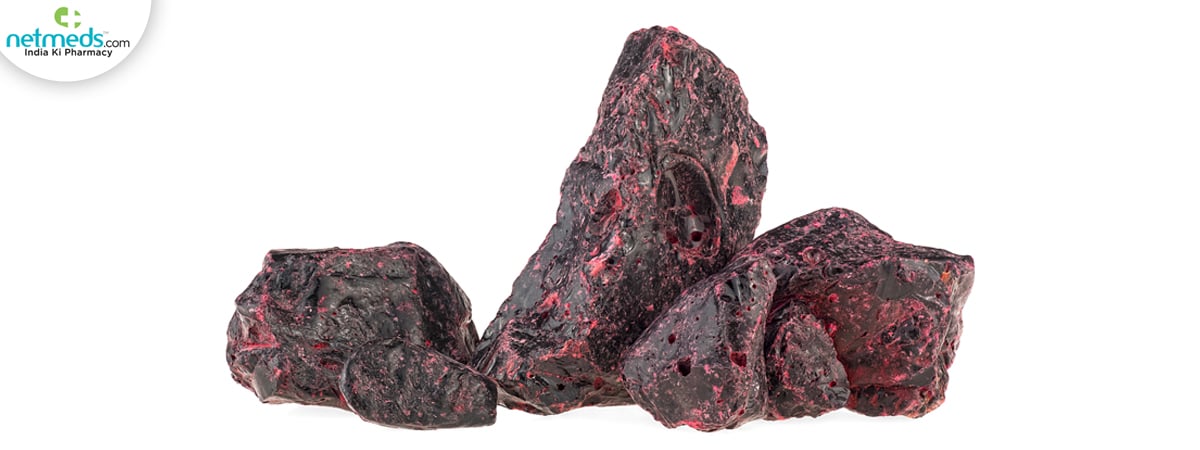
For external use: Resin can be ground into fine powder and applied as a paste (with water or carrier oil) on wounds, skin lesions or applied as a topical ointment/gel.
For internal use: Some small studies used methanolic extracts in animal models; human dosage is not well defined. The toxicity study showed tolerance up to 2,000 mg/kg in rats.
Suggested guideline (subject to expert advice):
Powdered resin: e.g., 100–250 mg once or twice daily, swallowed with warm water or milk, but only under supervision.
Decoction/tincture: As per the herbalist's recommendation.
Caution: Because of limited human clinical trials, use low doses initially and monitor response.
Remember: ‘Start low, go slow.’ Internal use should not be undertaken without monitoring.
Dragon’s Blood Tree Side-Effects And Precautions
While the resin and tree have a long history of use, safety data remain limited. Here are recognised side-effects and precautions:
Possible side-effects: Mild nausea, loose stools, bitter taste (for internal use) reported.
Allergic reactions: Topical use may cause skin irritation or localised burning in sensitive individuals; a patch test is recommended.
Bleeding and coagulation caution: Given its hemostatic claims, if you are already on anticoagulant medications (blood thinners), internal use may interfere; consult a physician.
Pregnancy and breastfeeding: Insufficient data; use should be avoided or only under expert supervision. Traditional sources on Socotra mention abortive effects in pregnant women.
Children and infants: Due to a lack of safety data, avoid or use only after professional advice.
Quality and adulteration: Many ‘dragon’s blood’ resins are from other species; resin purity is variable, and some may be adulterated.
Medical conditions: Not a substitute for medical treatments of serious conditions (ulcers, cancer, haemorrhage, chronic disease). Always combine with conventional care.
Frequently Asked Questions
Can I use Dragon’s Blood resin daily?
Occasional use (topical) is generally safe; daily internal use should only be under expert supervision due to limited clinical data.
Does Dragon’s Blood Tree resin help ulcers?
Yes, there is research suggesting anti-ulcer effects in animal and in vitro studies.
Is it safe during pregnancy?
No sufficient safety data exist; traditional sources mention abortive effects. Avoid unless professionally guided.
Can I apply it to my skin for acne or scars?
Yes, its wound-healing and antimicrobial properties support use in skin care, but do a patch test and use a clean formulation.
Where can I source genuine Dragon’s Blood resin from Dracaena cinnabari?
Ensure the product clearly states species (Dracaena cinnabari), origin (Socotra), and provides quality assurance; beware of generic “dragon’s blood”, which may come from other species.
Conclusion
The Dragon’s Blood Tree (Dracaena cinnabari) stands at the crossroads of ancient wisdom and modern phytomedicine. From its dramatic umbrella-shaped crown on the remote island of Socotra to the deep red resin valued since antiquity, it offers a fascinating blend of botanical rarity and therapeutic potential. While research supports many of its traditional uses, including wound healing, antimicrobial, digestive support, antioxidant and more, we must approach with balanced optimism.
Incorporation of its resin into holistic wellness should be done with awareness: choose quality sources, adhere to safe dosage, consult qualified practitioners, and complement with a healthy lifestyle, nutrition and conventional care when needed.
References:
1. https://www.ncbi.nlm.nih.gov/books/NBK604848/
2. https://www.sciencedirect.com/science/article/pii/S2590098624000253
3. https://pmc.ncbi.nlm.nih.gov/articles/PMC8324360/
 Previous