Winter brings shorter days, cooler temperatures, cosy evenings, and other changes in the body that most people don't notice. For people who are already at risk of stroke, especially elderly adults and people with existing medical conditions like high blood pressure, diabetes and cardiac disease, these seasonal changes can elevate the chance of a medical emergency.
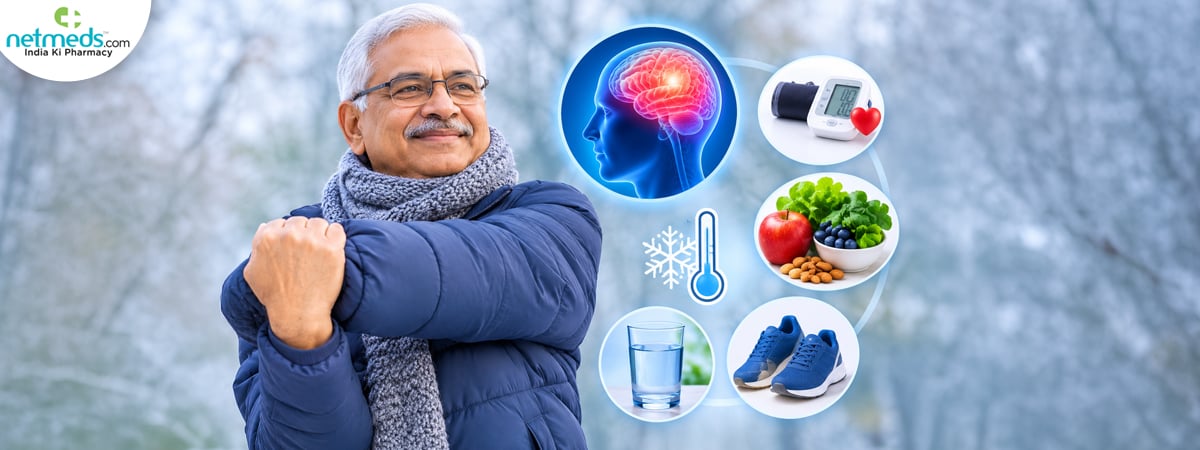
Understanding why stroke risk increases in winter, who is more vulnerable and how to safeguard yourself during the winter season can make a huge difference.
How Winter Impacts the Body
Colder weather triggers several natural reactions in the body. These changes help maintain warmth in the body, but they can also exert extra pressure on the heart and blood vessels.
When the temperature drops, the blood vessels narrow to lower heat loss. This tightening raises blood pressure. High blood pressure is one of the largest risk factors for stroke.
(To Optimise Your Overall Health And Well-being, Shop From Our Wide Range Of Health Essentials)
The heart has to work harder to pump against tighter blood vessels during the winter season. This added workload elevates the strain on the heart muscles, particularly in people with cardiovascular disease, diabetes or uncontrolled hypertension.
Evidence reveals that blood becomes slightly thicker in winter. As the density of blood increases, it is more likely to form clots. A clot that impedes blood flow to the brain can lead to ischemic stroke.
Winter seasonal infections like flu and viral illnesses can trigger inflammation. High inflammation levels may rise stroke risk, particularly in elderly adults.
Most people are physically inactive during the winter season. Decreased movement can impair blood circulation and contribute to excess weight gain, high cholesterol levels and increased stroke risk.
People may feel less thirsty during colder climates and unintentionally drink less water. Dehydration can affect blood circulation and may contribute to increased blood viscosity, particularly in vulnerable individuals.
Also Read: World Stroke Day 2026: Warning Signs, Causes, Risk Factors and Prevention Tips
Who Are At High Risk?
In older people, blood vessel flexibility decreases, making them more prone and sensitive to cold-related changes.
For individuals with high blood pressure, cold climate can force already elevated blood pressure to dangerous levels.
For those suffering from cardiovascular disease or dyslipidaemia, blood vessels are under strain and winter climate changes exert more pressure.
In diabetic patients, cold weather impacts blood sugar control, and uncontrolled diabetes elevates stroke risk.
Smoking narrows blood vessels. Cold climate can worsen this and further narrow the blood vessels, which raises the risk of clots.
Those people who are recovering from a previous stroke are more sensitive to lifestyle changes, especially in winter.
What Are Early Warning Signs of a Winter-Related Stroke?
Identifying symptoms early is important in getting prompt treatment. Immediate medical care can save a life and ease long-term disability.
Use the FAST method to remember warning signs:
F (Face): One side of the face may feel numb or suddenly weak.
A (Arm weakness): The person may not be able to raise one arm completely.
S (Speech difficulty): Sudden changes in speech, slurred speech or trouble speaking clearly.
T (Time to call emergency services): Do not wait. Every minute matters.
Other symptoms include:
Sudden severe headache
Problem seeing in one or both eyes
Sudden dizziness or loss of balance
Confusion or difficulty understanding speech
Sudden numbness on one side of the body
These symptoms are medical emergencies. Quick treatment improves survival and outcomes.
Also Read: World Stroke Day 2023: Significance, Theme And Preventive Checklist To Follow
Winter Habits That Increase Stroke Risk
Our regular winter routines may seem harmless but can silently increase the risk of stroke.
Staying outside for longer durations without proper warm clothing can cause sudden blood pressure spikes.
The winter season can make you lethargic and encourage a sedentary lifestyle. Being inactive can slow blood flow and increase clot risk.
Most people skip regular health check-ups and self-monitoring during winter months; this may delay treatment for uncontrolled blood pressure or blood sugar.
Prevention Tips to Reduce Winter Stroke Risk
Staying safe and healthy during winter is possible with simple preventive steps. Following these measures can avert the risk of stroke:
During winter season it is important to dress aptly, wear layers, gloves, socks and scarves. Keeping the body warm lowers sudden surges in blood pressure.
Good hydration in winter is important, as the human body needs adequate water for smooth blood flow.
Staying active, like short indoor walks, stretching or light exercises, can improve circulation.
Have wholesome and balanced meals including fresh seasonal fruits, vegetables, whole grains and lean proteins. Restrict intake of salty and oily foods during winter.
Avoid smoking and limit alcohol consumption. Smoking constricts blood vessels, and excessive alcohol affects blood pressure.
Those with chronic illnesses should take prescribed medications on time and follow their healthcare provider’s advice.
Get vaccinated for flu and influenza if recommended. Preventing winter-related seasonal infections eases inflammation and stroke risk.
When to Seek Medical Help?
Sudden weakness
Severe headache
Chest pain
Unusual fatigue
Constant dizziness
Very high blood pressure readings
Conclusion
Winter season naturally brings changes in the human body, but understanding how these changes impact stroke risk can help safeguard your overall health and well-being. Simple daily routines, such as staying warm, being physically active, maintaining hydration and self-monitoring your health, can remarkably lessen the risk. If you have a chronic illness or a previous history of stroke, staying alert during cold weather is even more important.
Frequently Asked Questions
Are strokes more common during winter?
Several studies suggest that colder temperatures and sudden temperature fluctuations are related to an increased risk of stroke. However, seasonal patterns vary by location and individual health factors.
Why does blood pressure increase during winter?
Cold temperatures constrict blood vessels to conserve body heat. This increases resistance to blood flow and can raise blood pressure, particularly in older adults and people with hypertension.
Who is most at risk of stroke during winter?
Older adults and people with hypertension, diabetes, high cholesterol, heart disease, atrial fibrillation and a history of stroke may be at higher risk.
Can drinking water help prevent a stroke?
Adequate hydration supports normal circulation and helps prevent dehydration. However, drinking water alone cannot prevent strokes. People with heart or kidney conditions should follow their healthcare provider's fluid recommendations.
References
https://pmc.ncbi.nlm.nih.gov/articles/
PMC6556065/The Effect of Winter Temperature on Patients with Ischemic Stroke
Xiuhui Chen 1,A,C,D,E,F, Wenjin Shang 1,A,C,E,F, Xinyi Huang 2,A,B,E, Liming Shu 2,B,E, Su Xiao 1,B,E, Qiuhong Jiang 2,E, Hua Hong
hn S, Riccio A, Ginty DD. Spatial consideration for stimulus-dependent transcription in neurons. Annu Rev Physiol. 2000;62:803–23. doi: 10.1146/annurev.physiol.62.1.803.
Jeong HC, Ahn Y, Park KH, et al. Effect of statin treatment in patients with acute myocardial infarction and left ventricular systolic dysfunction according to the level of high-sensitivity C-reactive protein. Int Heart J. 2014;55:106–12.
Zhao D, Liu J, Wang W, et al. Epidemiological transition of stroke in China: Twenty-one-year observational study from the Sino-MONICA-Beijing Project. Stroke. 2008;39:1668–74. doi: 10.1161/STROKEAHA.107.502807.
Circular of the General Office of the Ministry of Health on the Issue of Measures for the Management of Pilot Programs of Screening and Intervention for High-Risk Stroke Populations Trial. 2012.
Weizhi W. Neurology of cerebrovascular diseases. 4th ed. Beijing: Publication of People’s Health; 2001.
Chen J, Liu J, Ji Z. [Recent progress in multiple risk factors of stroke]. Clinical Rehabilitation in China. 2004;8:5330–31
Xuefeng W. [Clinical application and evaluation of common coagulation tests]. J Clin Hematol. 2014;2014:550–54.
Wang H. Thrombosis and hemostasis testing techniques. 1st edition. Shanghai: Shanghai Science and Technology Publishing House; 1996.
Shen Y, Zhang L, Li F, et al. Changes in coagulation function and influencing factors in patients with acute cerebral infarction. Chin J Coal Indus Med.
Jimenez-Conde J, Ois A, Gomis M, et al. Weather as a trigger of stroke. Daily meteorological factors and incidence of stroke subtypes. Cerebrovasc Dis. 2008;26:348–54. doi: 10.1159/000151637.
 Previous