One of the leading causes of death and disability worldwide, stroke is a serious medical condition and a significant public health concern, too. It occurs when blood flow to the brain is blocked or reduced, depriving brain cells of the oxygen and nutrients they need to function. Within minutes, brain cells can begin to die, potentially leading to long-term disability or even death. While factors such as age, genetics, and underlying health conditions can increase stroke risk, lifestyle choices, especially diet, have a crucial role in the prevention of this health disorder.
The blog explores how and why including nutrient-dense foods can help improve cardiovascular health, enhance blood circulation, lower the likelihood of stroke, and go a long way in protecting your heart, brain, and overall well-being for years to come.

Why Is Stroke A Leading Cause Of Death And Disability?
Stroke is a leading cause of death as well as long-term disability worldwide because it directly affects the brain, the body's control centre. Depending on the area affected, stroke can impair speech, movement, memory, and cognitive function. Many stroke survivors require ongoing medical care and rehabilitation. High blood pressure, obesity, diabetes, poor dietary habits, and sedentary lifestyles have contributed to rising stroke rates globally. Fortunately, many stroke risk factors can be managed through a healthy lifestyle and dietary changes.
Possible Causes of Stroke Related to Diet
Poor dietary habits can significantly increase the risk of stroke by affecting blood vessels, circulation, and heart health. Below are five common diet-related causes:
Excessive Sodium Intake
Consuming too much salt can lead to high blood pressure, which is one of the primary causes of stroke. Processed foods, canned products, and fast-food meals often contain excessive amounts of sodium.
High Cholesterol Levels
Diets rich in saturated fats and trans fats can increase bad cholesterol levels. This contributes to plaque buildup in arteries, restricting blood flow to the brain and increasing stroke risk.
Excess Weight
Eating calorie-dense, nutrient-poor foods can result in obesity. Excess weight increases the likelihood of hypertension, diabetes, and cardiovascular disease, all of which are major stroke risk factors.
Elevated Blood Sugar Levels
Frequent consumption of sugary foods and refined carbohydrates can contribute to insulin resistance and type 2 diabetes, which significantly raises the risk of stroke.
Chronic Inflammation
Highly processed foods, sugary beverages, and unhealthy fats can trigger inflammation in the body. Chronic inflammation damages blood vessels and may increase the chances of stroke over time.
Also Read: Stroke/Cerebrovascular Accident: Causes, Symptoms And Treatment
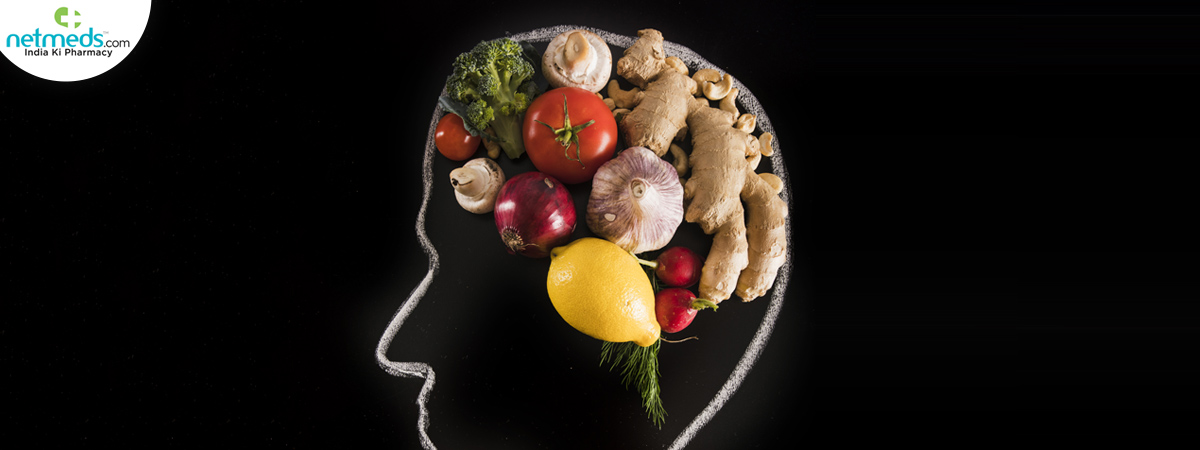
Best Foods to Include in a Stroke Prevention Diet
Leafy Green Vegetables
Leafy greens such as spinach, kale, and lettuce are rich in vitamins, minerals, antioxidants, and dietary nitrates. These nutrients help maintain healthy blood pressure levels, improve circulation, and reduce the risk of cardiovascular diseases associated with stroke.
Whole Grains
Whole grains such as oats, brown rice, quinoa, and whole wheat are packed with fibre and essential nutrients. They help lower cholesterol, stabilize blood sugar levels, support healthy weight management, and reduce overall stroke risk.
Berries
Berries, including blueberries, strawberries, raspberries, and blackberries, contain powerful antioxidants known as flavonoids. These compounds help protect blood vessels from damage, improve circulation, and support cardiovascular health, making them excellent foods for stroke prevention.
Nuts and Seeds
Almonds, walnuts, flaxseeds, and chia seeds are excellent sources of healthy fats, fibre, protein, and antioxidants. Including them regularly in a stroke prevention diet may help lower blood pressure, improve cholesterol levels, and support heart health.
Soy Foods
Soy-based foods such as tofu, tempeh, soy milk, and edamame are rich in plant protein, healthy fats, fibre, and essential minerals. Regular consumption fights bad cholesterol levels, improves blood vessel function, and supports heart health. As a nutritious vegetarian option, soy foods can be an effective addition to a stroke prevention diet and contribute to reducing overall cardiovascular risk.
Conclusion
Preventing stroke starts with the choices you make every day, and diet is one of the most powerful tools for protecting your brain and heart health. A nutrient-rich stroke prevention diet that includes leafy greens, fatty fish, whole grains, berries, nuts, and other wholesome foods can help manage blood pressure, cholesterol, blood sugar, and inflammation. Reducing intake of processed foods, excess salt, added sugars, and unhealthy fats is also important. When combined with regular physical activity, stress management, and other healthy lifestyle habits, a balanced diet can lower the risk of stroke and support long-term overall well-being. Small, consistent dietary changes today can make a lasting difference in safeguarding your health for the future.
References:
https://www.ahajournals.org/journal/str
https://www.ahajournals.org/doi/10.1161/strokeaha.113.001999
 Previous