Diwali means excitement; lights everywhere, sweets, family get-togethers, and that electric buzz in the air. But after all those celebrations, reality sets in: the air outside turns nasty, especially in big cities. You get smoke from firecrackers and leftover smog from crop burning, and that chilly winter air just traps all of it, making the Air Quality Index (AQI) hit “Severe” or even “Hazardous.”
Also Read: Diwali Safety Tips: Effective Ways To Safeguard Yourself From Fireworks
Kids take the worst hit here. Their lungs are still growing, and they breathe faster than adults. That means their bodies take in more of the stuff floating around; the tiny particles, heavy metals, sulfur dioxide, all the stuff spewing out of fireworks. The result? Coughing, burning eyes, wheezing, and bigger risks for serious lung problems later on.
For Optimal Health And Well-Being, Shop From Our Best-Selling Health Supplements

So with Diwali 2026 approaching, you have got to plan ahead if you want your kids to stay healthy when the air gets thick with smoke. Here is a straightforward guide to help you out.
Also Read: Smart Diwali Guide for Chronic Illness: Celebrate Safely And Protect Your Health
Why Firecracker Smoke Hits Kids So Hard?
Firecrackers are a chemical storm. All those colours and sparks you see? Those are metals like copper, lead, strontium, cadmium, and barium. When you light them up, these get released into the air as fine particles.
Tiny Particles That Go Deep
The really fine particles (SPM-2.5) are small enough to slip deep into a child’s lungs, even into their bloodstream. Once inside, they can make breathing harder and trigger asthma or bronchitis flare-ups.
Narrow Airways, Big Problems
Kids’ airways are smaller than adults’. A little swelling from smoke or chemicals can block those narrow passages pretty easily, causing coughing, wheezing, or shortness of breath.
They Just Breathe More
Kids are running around all the time. Their bodies use more oxygen by the pound, so they actually suck in more polluted air relative to their size than adults do.
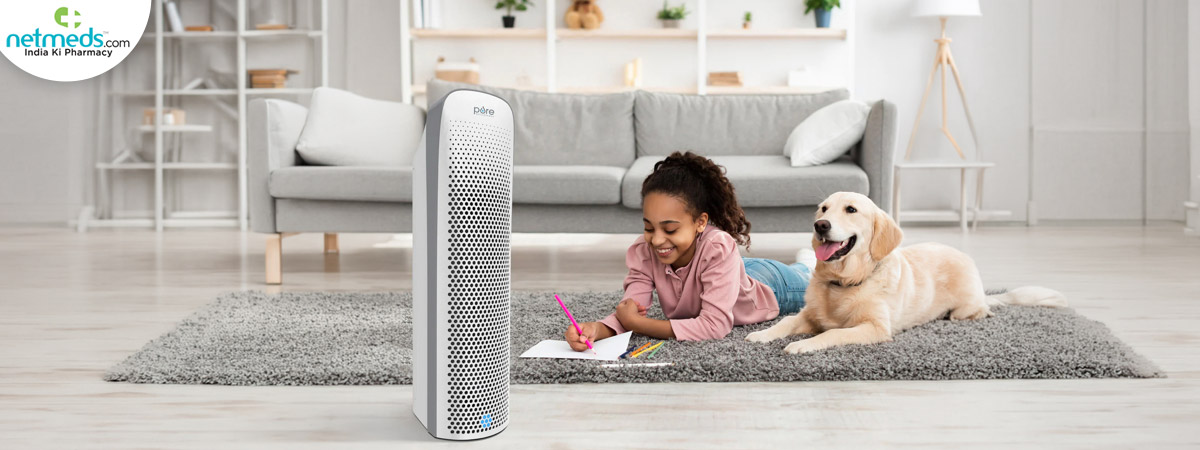
Understanding the Air Quality Index (AQI) During Diwali
Before you head outside with your kids during Diwali, it is a good idea to check the AQI. Here is what those numbers actually mean and what you should do:
AQI 0–50: Good
No worries; kids can play outside as much as they want.
AQI 51–100: Moderate
Most kids are fine, but those who are more sensitive should take it easy with heavy outdoor activities.
AQI 101–200: Poor
Cut back on rough outdoor play. Watch out for coughing or breathing issues.
AQI 201–300: Very Poor
It is better to keep the kids inside. No outdoor sports or games.
AQI 301–400: Severe
Kids should stay indoors. Use good air purifiers to keep the indoor air safe.
AQI 401–500+: Hazardous
This is serious. Keep doors and windows tightly shut. Only go out if you absolutely have to, and use good anti-pollution masks.

Warning Signs of Air Pollution in Kids
Pay attention, especially if you have little ones at home. Here is what to watch for:
Cough that just won’t quit, or nighttime cough attacks
Watery, burning, or itchy eyes
Runny nose, sneezing, or constantly clearing their throat
Fast, shallow breathing, or feeling short of breath
Tiredness, crankiness, not wanting to play
If you spot blue lips, heavy wheezing, or chest tightness, head to a doctor immediately.
How to Protect Your Kids This Diwali (7 Key Tips)
Optimise Indoor Air Quality
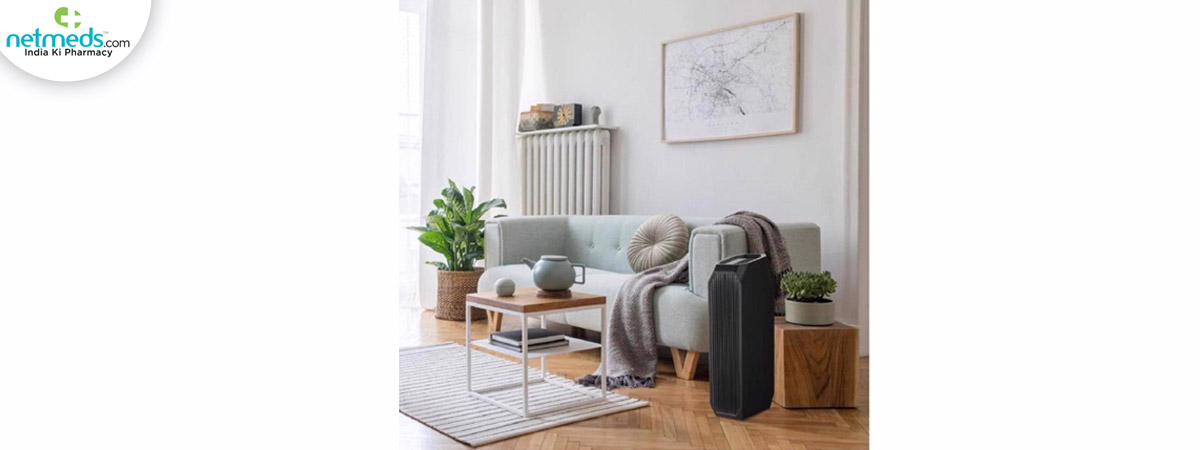
When the outside air goes bad, your home has to be the safe zone. Keep windows and doors shut, especially from dusk till early morning when the smoke is worst. Use real HEPA air purifiers (matched to the room size) in your child’s bedroom and main play areas. Don’t burn incense, scented candles, or dhoop inside on polluted days; they add to the mix.
Plan Outdoor Time Smartly
The worst air is typically from the evening to the next morning. Shift playtime to midday after checking the AQI. Sunlight helps break up some of the smog. Avoid letting kids outside for early morning runs or games; the mist traps all the particles near the ground.
Get the Right Mask
Regular cloth masks or cheap surgical masks just don’t protect against fine particles. Buy kid-sized N95 or KN95 masks that actually fit their faces. Show your child how to wear a mask properly, with no gaps, and not to keep tugging it down.
Support Their Immune System With Food
Simple food hacks help kids’ bodies deal with all that extra pollution.
Vitamin C (amla, oranges, bell peppers): fights off harmful molecules in the airways.
Vitamin E (almonds, sunflower seeds): protects lung tissues.
Omega-3s (flaxseeds, walnuts, fish oil): reduce inflammation.
Turmeric milk and jaggery soothe the throat and help clear airways.
Always keep them hydrated. Lukewarm water works best; it keeps those protective linings in the nose and throat moist.
Post-Outdoor Cleanup
Pollution isn't just in the air; it sticks to skin, hair, and clothes.
Change your child’s clothes as soon as they come inside; don’t sit on furniture first!
Wash hands, face, and eyes with gentle soap and water.
Use a saline nasal spray (doctor-approved) to flush out any dust they might have inhaled.
Green Up Your Home
Certain indoor plants can help clear some toxins.
Snake Plant: even cleans air overnight.
Areca Palm: filters toxins and adds humidity.
Spider Plant: safe for kids and pets, and it cuts down on formaldehyde and xylene.
Celebrate Smarter
If you want to keep celebrations fun and safe for your kids, why not show them how easy it is to go green?
Pick Green Crackers: If your family loves bursting crackers, stick to the ones certified as Green Crackers by CSIR-NEERI. They release less smoke, up to 30% fewer particles and skip harmful chemicals like barium nitrate.
Brighten Up with Lights and Art: Get everyone excited about more traditional stuff. Light up diyas, make floral rangolis from eco-friendly materials, try home decor crafts, or bake festive treats together.
Celebrate as a Community: Instead of everyone setting off crackers in their own street, push for a cool, short central light show with the neighbours. It is safer, less polluting, and, honestly, way more fun.
A Simple Diwali Day Plan for Bad Air Days
Morning
Check AQI on your phone.
Keep windows closed till the air improves.
Give your child a vitamin-rich breakfast (amla juice, warm turmeric milk).
Afternoon
Run your HEPA air purifier in the main rooms.
Let kids play outside only if the AQI is okay.
Make sure they are drinking plenty of water.
Evening / Festive Time
Keep kids inside once the fireworks start.
Double-check that doors and windows are sealed.
Set up indoor games, stories, or family activities.
Night / After Outside Time
If your child was out, use saline spray for nose or eyes, give them a shower, and change their clothes.
Run a purifier in their bedroom on silent mode overnight.
Post-Diwali Care: Managing Respiratory Symptoms
Even if you have taken all the right steps, the air after Diwali can still trigger mild symptoms, especially for kids. Here is what to do to help them recover:
First Things First: Hygiene
As soon as your child comes inside, wash their face and gently rinse their eyes with cool, clean water. Don’t wait; this gets rid of dust and particles right away.
Change out of festive clothes right away and head for a quick shower or bath. That will help wash off chemical ash before it can cause more irritation.
Try a paediatrician-approved saline nasal spray to flush out any leftover dust or irritants stuck in their nose.
Steam and Warm Drinks
Give them some gentle steam inhalation. Just plain steam; skip any strong oils or additives unless the doctor says otherwise. This really helps loosen up that upper airway congestion.
Hand them a mug of warm soup, a mild kadha that is suitable for kids, or honey-lemon water if they like it. These warm drinks soothe scratchy throats and keep them hydrated.
When to Call the Doctor?
Even with the best prep, sometimes pollution still gets to kids. Call your paediatrician right away if your child:
Can’t stop coughing, or the cough is severe.
Is sucking in their ribs when breathing (chest indrawing)
Has a fever and is struggling to breathe
Won’t eat or drink
Has asthma and their inhalers aren’t working.
Conclusion
Diwali should mean happy memories, not worries about your child’s health. If you check the AQI, clean up the air indoors, put a good mask on your kid outside, feed them well, and create fun, less smoky celebrations, you will keep them safe, even when smog rolls in. Let us make Diwali 2026 healthy, bright, and a whole lot cleaner for every child.
References:
World Health Organization (WHO) — Air Pollution and Child Health: Prescribing Clean Air
Read the study: WHO Child Health Guidelines
The Lancet Planetary Health — Traffic-Related Air Pollution and Incident Asthma in Children
Read the study: The Lancet Planetary Health
National Center for Biotechnology Information (NCBI) — The Respiratory Impacts of Air Pollution in Children
Read the study: NCBI PMC Article
The Lancet Planetary Health — The Impact of Air Pollution on Deaths, Disease Burden, and Life Expectancy in India (ICMR Study)
Read the study: The Lancet / ICMR India Study
PubMed — Air Pollution and Acute Respiratory Tract Infections in Young Children
Read the study: PubMed Respiratory Infections Study
American Thoracic Society (ATS) — Health Effects of Air Pollution in Children
Read the study: ATS Journals - Respiratory Effects of Environmental Pollution
Environmental Health Perspectives (EHP) — Early-Life Exposure to Air Pollution and Pediatric Asthma Development
Read the study: EHP Journal
Royal College of Paediatrics and Child Health (RCPCH) — The Lifelong Impact of Air Pollution on Children
Read the report: RCPCH Air Pollution Hub
Journal of Allergy and Clinical Immunology — Particulate Matter Exposure and Airway Inflammation in Children
Read the study: JACI Journal
Nature Communications — Global Burden of Children's Respiratory Illness Attributable to Environmental PM2.5
Read the study: Nature Communications
 Previous