With the generous amounts of sweets, festive meals, and late-night celebrations, maintaining blood sugar levels under control during Diwali needs cautious planning and mindfulness. Diwali, the Festival of Lights, is a time of celebration, family gatherings, and unlimited festive indulgence. While the celebrations bring happiness and a sense of togetherness, they also pose unique hardships for people with diabetes. However, controlling blood sugar levels does not mean total elimination; rather, it needs strategic planning, portion size, and mindful eating behaviours. The key to managing diabetes during the festive season is balancing sweet indulgences with the right food choices while maintaining a healthy lifestyle.
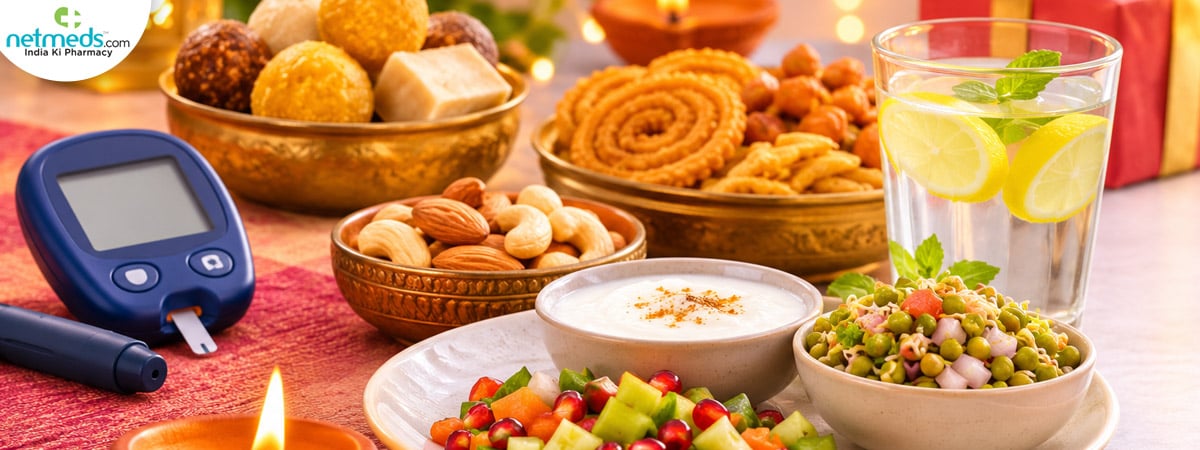
Here we have curated effective strategies that can help people with diabetes navigate the festive season while keeping their blood sugar in control.
Also Read: Delightful Sugar-Free Desi Mithai Recipes To Light Up The Diwali Celebrations
Why Is Blood Sugar Management Important During Diwali?
During the Diwali festival, people usually consume more sugar-laden desserts, deep-fried snacks, carbonated beverages, and carbohydrate-dense meals. These types of foods can easily spike blood glucose levels, especially when consumed in huge quantities or without a balanced meal regimen.
Common festive foods like sweets, fried snacks, and namkeen may contain large amounts of refined carbohydrates, simple sugars, or fat. In addition, skipping meals to offset festive indulgence can also impede blood sugar management, particularly in people taking insulin or other anti-diabetic medications.
Therefore, it is important to plan meals, and practising portion control can help people with diabetes enjoy the festivities more joyfully and comfortably.
Diwali Diet Tips for People with Diabetes
Enjoy Sweets Mindfully
Sweets and desserts are synonymous with Diwali celebrations, but for people with diabetes, moderation is key. Instead of indulging in several servings in a day, pick one or two favourite treats of yours and enjoy them in limited portions mindfully.
Go for dry-fruit-based sweets: Choose sweets like dry fruit laddoos or nut-based ones. These sweets are rich in protein and healthy fats, which help slow down gastric emptying time and glucose absorption.
Restrict deep-fried sweets: Limit intake of gulab jamun and jalebi, which cause sharp blood sugar spikes.
Never have sweets on an empty stomach: Have a small portion of a sweet right after a wholesome meal or combine with a protein-rich snack like nuts or paneer to lessen the glycaemic impact.
Pro-Tip: Remember, even sweets made with dates, jaggery, honey or other natural sweeteners can impact blood glucose levels. Always consider the total carbohydrate content.
Also Read:5 Diabetes- Friendly Tips to Celebrate This Diwali Healthy and Happily
Dietary Modifications
One of the most ideal ways to maintain stable blood sugar levels is to plan and prep your meals in advance. Diwali mostly includes a rich array of delicacies and sweet treats.
When making sweets at home, tweak refined flour for whole-grain options. Use low-caloric sugar alternatives or natural sweeteners wherever possible.
Fill your plates with non-starchy vegetables, lentils, pulses and lean proteins to control your glucose levels. If you wish to have a dessert, cut back on carb intake during the main meal to balance out total calorie intake.
Maintain consistent meal timings as much as possible to avert overnight blood glucose surges.
Choose Healthy Snacks
Traditional Diwali snacks like chakli, murukku, mixture, and samosa are often deep-fried and may be high in refined carbohydrates, sodium, and calories. It is easy to reach for these convenient snacks that may not be the healthiest. Instead, try bringing along nutritious snack options like cut fruits, roasted nuts, makhana, moong dal, or mixed nuts. This way, ensure that you have healthy choices readily available while socialising with friends and family.
Stay active
Amid the festivity, most people become inactive, but being physically active plays a vital role in managing blood sugar levels. A short walk 15 to 20 minutes after lunch or dinner is highly effective in reducing post-meal blood sugar spikes.
Monitor Blood Sugar Levels as Advised
Festive meals may differ largely from your usual diet, thus making blood glucose monitoring particularly beneficial to keep track of your blood sugar levels. If your glucose levels are repeatedly above or below your target range, contact your diabetologist for more guidance.
Do not alter, add, or skip diabetes medication to compensate for eating sweets or festive meals. Take medicines as prescribed. Meal timings and carbohydrate needs should be adjusted based on your medication, activity levels, blood glucose levels, and physician advice. Those who use insulin or medications that can cause hypoglycaemia may require a personalised treatment plan.
Get Enough Sleep and Manage Stress
Late-night celebrations, travel, shopping, and social commitments can interfere with sleep. Poor sleep and stress may affect blood glucose regulation and appetite.
When Should People with Diabetes Seek Medical Advice?
Contact your diabetologist if blood glucose values are outside your recommended range despite following your regular treatment care plan. Seek urgent medical attention for severe hypoglycaemia, confusion, fainting, persistent vomiting, difficulty breathing, or other serious symptoms.
Frequently Asked Questions
Can people with diabetes eat sweets during Diwali?
Yes, many people with diabetes can enjoy a small portion of sweets occasionally, depending on their individual meal plan and glucose control. Consider total carbohydrate intake, avoid frequent sweet snacking, and monitor blood glucose as advised.
Which Diwali sweets are better for people with diabetes?
Small portions of homemade sweets with limited added sugar may fit more easily into a balanced meal plan. However, sweets made with jaggery, dates, honey, or sugar substitutes can still affect blood glucose or contribute calories. Portion size is essential.
Can people with diabetes eat dry fruits during Diwali?
Yes. Nuts such as almonds and walnuts can provide healthy fats, while dried fruits contain concentrated natural sugars and carbohydrates. Choose small portions and account for dried fruits within your overall meal plan.
Should people with diabetes avoid rice and chapati during Diwali?
Not necessarily. Rice and chapati can be included in appropriate portions as part of a balanced meal. Pair them with vegetables and protein-rich foods and adjust portions according to your individual carbohydrate needs and blood glucose response.
Conclusion
Celebrating Diwali with your loved ones while managing diabetes does not need to be a daunting task. With mindful planning, eating behaviour, and staying active, people with diabetes can easily enjoy the spirit of the festival season without compromising their health status. With prior planning and self-care, people with diabetes can celebrate the festival of lights with great fervour.
References:
https://link.springer.com/article/10.1007/s13410-015-0427-8
Impairment in glycemic control and lipid profile during the Indian festival of Diwali
Nitish Mathur, Rachita Mathur & Jairam Rawtani
Gikas A, Sotiropoulos A, Pastromas V, Papazafiropoulou A, Apostolou O, Pappas S. Seasonal variation in fasting glucose and HbA1c in patients with type 2 diabetes. Prim Care Diabetes. 2009;3(2):111–4.
Liang WW. Seasonal changes in preprandial glucose, A1C, and blood pressure in diabetic patients. Diabetes Care. 2007;30(10):2501–2.
https://pmc.ncbi.nlm.nih.gov/articles/PMC11891037/
Evaluating diabetes-related nutrition knowledge and dietary beliefs among type 2 diabetes patients in Vidarbha region, Maharashtra: a mixed method approach for insightful analysis
Umesh Kawalkar 1,2, Amar Mankar 1,*, Mahesh Puri 2, Anshu Singh 2, Shital Telrandhe 1, Abhay Gaidhane 1, Manoj Talapalliwar 2, Sayali Fuladi 2
 Previous