Dasara or Dussehra Navratri carries a lot of significance for Hindus, not only for religious traditions and rituals, but also for seeking the blessings of the Goddess Durga and all Her avatars. Besides chanting, special prayers and traditional dishes, it is a practice across the country to revere the womenfolk of all age groups in the form of Kumari Puja, Sumangali Puja etc., as it is believed that the divine femininity resides in each woman.

Respecting and honouring a woman has always been a part of our culture as women are known for striking a perfect balance between work and home. However, many women often tend to ignore their own health and nutritional needs, burdened by the demands from various quarters of their lives.
In every woman’s life, at every stage and age, incorporating positive lifestyle and wholesome components in food is very important. This is because the nutritional requirements of women vastly change as they grow, from childhood, teens, early adulthood to menopause and old age.
Until the mid-twenties, there is optimal processing of vitamins, minerals and other crucial constituents in food, as well as prompt assimilation of the same by the organs and tissues in the body. Whereas, as a woman grows older, reduced absorption of bioactive components in food coupled with slowing down of digestion and metabolism leads to nutritional deficiencies and other chronic ailments.
Furthermore, women over the age of 40 develop menopausal symptoms, giving rise to hormonal and mood fluctuations. Bones also grow weaker, requiring proper care and nutrition, particularly in the elderly.
On this festive day, we will tell you how and why a woman should take care of her health, at different phases of her life, to stay fit, keep a sound mind and age gracefully.

Girls Up To 9 Years
Little girls have more or less identical needs as boys their age but their calcium and iron necessities increase, as they grow older. They require healthy and balanced meals at regular times in the day, as their height, body weight along with vital organs and tissues expand rapidly in these years. Parents must ensure that they teach their daughters to eat on time and consume sufficient quantities of meals packed with proteins, fats, carbohydrates, vitamins and minerals. This is effective in preventing eating disorders, with reduced risk of serious illnesses later on.
Eat These:
Dairy foods like milk, yogurt, cheese. All fruits and vegetables. Make sure to eat greens thrice a week. Include nuts in daily diet. Also Read: 5 Must-Have Components For A Well-Balanced Diet.
Teenagers Up To 19 Years
As girls approach adolescence, their body begins to change physically, with a rapid growth spurt, weight gain, developed breasts, facial hair, hormonal secretions and mood swings. Menstrual cycles occur once a month; hence iron must be taken in adequate amounts to compensate for the loss of blood, apart from a holistic diet comprising fresh fruits, vegetables and nuts. Teenage girls tend to get influenced by media trends on diet and weight loss and hence counsel from parents is crucial, to help them inculcate good eating practices.
Eat These:
Protein rich foods like legumes, beans, lentils are a must. Greens and dry fruits help in maintaining the levels of hemoglobin. For calcium, eat nuts and dairy products.
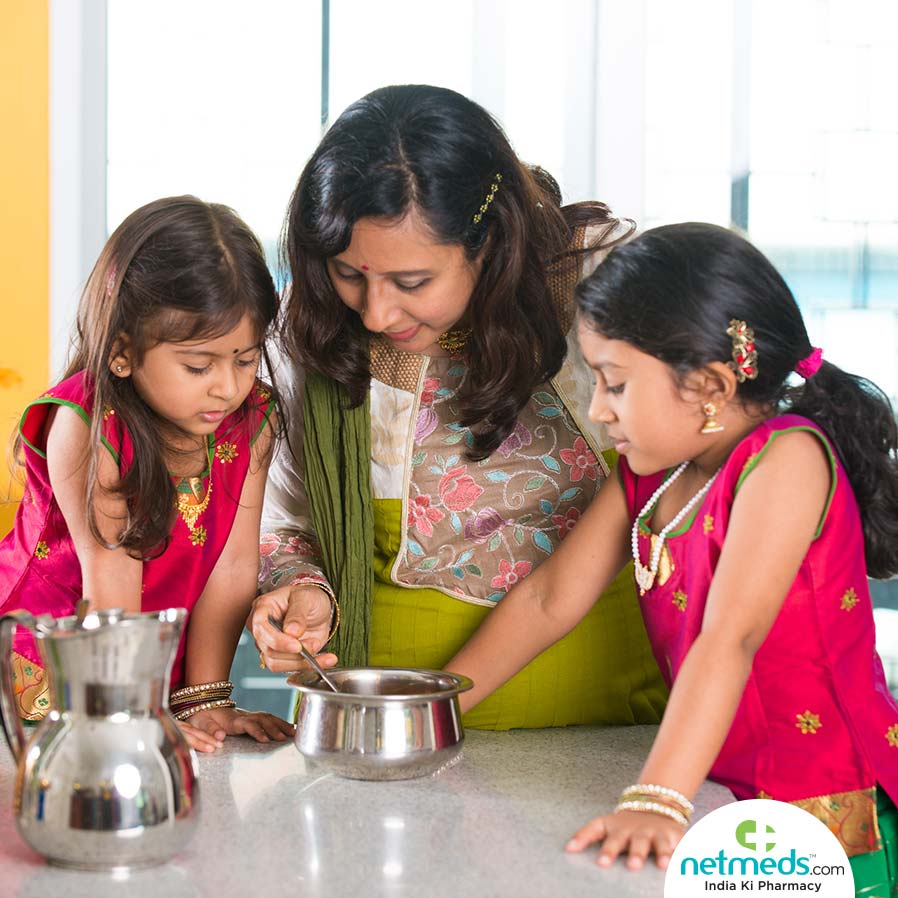
Adulthood Up To 39 Years
The adult woman must make it a habit to consume organic, home-cooked dishes with simple, local ingredients, steer clear of processed foods, stick to routine timings for meals and regularly engage in physical activity. As metabolism begins to decline and skin loses elasticity during the 30s, exercise plays a key role in ridding the body of excess weight and toxins and also augments brain and heart health.
Eat These:
Include collagen rich foods in the daily diet. Foods plenty in calcium and iron up the energy levels. Reduce salt and processed foods.
Menopause, 40 - 55 Years
In menopause, a woman’s menstrual cycle ceases and fertility drops completely, combined with irregular moods, due to a decrease in reproductive hormones. As a result, bone density also reduces and the risk of arthritis, diabetes and cardiac illnesses rises. Consuming high-quality proteins with all nine essential amino acids, fibers, besides vitamin, calcium and antioxidant supplements is imperative, to improve moods, prevent debilitating ailments and enhance quality of life.
Eat These:
Go for hormone regulating diet plans. Increase fibre intake. Include calcium, vitamin rich foods to stay energetic for longer hours. Also Read: Calcium - Important Mineral For Women's Health.
Old Age, Above 55 Years
Nutrient requirements in a completely matured woman are very specific. The calories consumed must be reduced, as energy needs decrease, but protein intake should be elevated. Ample amounts of vitamin B12 for augmented blood flow, vitamin A for proper vision, vitamin C for immunity, and vitamin D to regulate blood calcium and phosphorous levels are requisite. Iron is also vital in old age and simple breathing exercises must be performed for a few minutes daily.
Eat These:
Make it a practice to eat small meals. Include whole grains, cereals, milk, yogurt, and legumes in your daily diet. Eat mindfully, and avoid rich-calorie diets. Consult doctor regularly.
Apart from the above-mentioned tips, every woman should follow these measures to keep the power alive at every stage of life
Keep the Body Active
Be it any stage of life, exercise is one of the best ways to stay fit. Obesity at any age can bring multiple diseases. As per your age and liking, indulge in any form of body movements such as walking, jogging, dancing, sports, or swimming
Consume Iron-rich Foods
Though the amount of iron needed is different depending on a woman's stage of life, iron is important at every age and good health. Iron needs are higher during pregnancy and lower after reaching menopause. Moreover, plant-based iron sources are more easily absorbed by the body when combined with vitamin C-rich foods, so one should combine both.
Eat A Well-Balanced Diet
A nutrient-dense diet is the foundation of a healthy lifestyle and is crucial to a woman’s overall health. Vitamins, minerals, and nutrients are important for growth, well-being, and development. A balanced diet starts with avoiding unhealthy foods and processed foods and opting for fresh fruits and vegetable-based meals.
Keep Calcium And Vitamin D Adequate
For healthy bones and teeth, women need to eat a variety of calcium-rich foods. Calcium keeps bones strong at every age. Adequate amounts of vitamin D also are important. The need for calcium and Vitamin D increases as women get older. Some calcium-rich foods include low-fat milk, yogurt, cheese, tofu, soybeans and green leafy vegetables. Certain plant-based milk alternatives, yogurts, and juices have significant amount of Vitamin D.
Frequently Asked Questions
1. What are the best health practices for women during Navratri?
Women can support their health during Navratri by eating balanced meals, staying hydrated, getting adequate sleep, staying physically active and managing stress.
2. What should women eat during Navratri fasting to stay healthy?
Women should prioritise nutritious fasting foods such as fruits, vegetables, dairy, nuts, seeds, legumes and other permitted whole foods to maintain energy and nutrient intake.
3. Can women exercise or practise yoga during Navratri fasting?
Yes, gentle to moderate physical activity or yoga may be appropriate during fasting, but exercise intensity should be adjusted according to energy levels, hydration and individual health needs.
4. How can Navratri health practices support women's mental wellness?
Mindful practices such as yoga, breathing exercises and meditation may help support psychological wellbeing, stress management and emotional balance in women.
5. Can women fast during Navratri if they are pregnant or have a health condition?
Women who are pregnant, breastfeeding or managing conditions such as diabetes should consult a healthcare professional before undertaking religious fasting or making major dietary changes.
References:
WHO – Healthy Diet
Provides evidence-based guidance on balanced nutrition, dietary diversity, moderation and adequate nutrient intake.
WHO – Physical Activity
Outlines recommended levels of moderate and vigorous physical activity for adults and the health benefits of staying active.
PubMed – Yoga and Chronic Diseases: Umbrella Review of Systematic Reviews and Meta-Analyses
Reviews evidence on yoga and outcomes including depression, blood pressure, blood glucose and fatigue management.
PubMed – Systematic Review of the Lived Experiences of Women Participating in Therapeutic Yoga
Examines women's reported experiences with yoga, including perceived physical wellness, emotional balance, stress reduction and confidence.
PubMed – Effect of Yoga Therapy on Health Outcomes in Women With PCOS
Reviews clinical research investigating yoga therapy and health outcomes among women with polycystic ovary syndrome.
PubMed – Yoga and Premenstrual Syndrome: Systematic Review and Meta-Analysis
Examines evidence on yoga and physical, psychological and behavioural symptoms associated with premenstrual syndrome.
PubMed – Yoga and Menopausal Symptoms: Systematic Review and Meta-Analysis
Reviews the effects of yoga on menopausal symptoms, sleep quality, anxiety, depressive symptoms and blood pressure.
PubMed – Safety of Yoga: Systematic Review and Meta-Analysis
Evaluates adverse events associated with yoga and provides useful evidence when discussing safe, appropriate physical practices.
 Previous