Cupuacu (Theobroma grandiflorum) is a treasured tropical fruit from the Amazon rainforest, often celebrated as cacao’s nourishing cousin. Known for its creamy pulp, rich aroma, and deeply hydrating seed butter, cupuacu has long been used in traditional Amazonian medicine, food, and skincare. In recent years, it has gained global attention for its impressive antioxidant profile, gut-friendly nutrients, skin-repairing properties, and potential role in supporting overall wellness.
In this blog, we explore what cupuacu is, its medicinal uses, health benefits, dosage guidelines, possible side effects, and important precautions, so you can use this Amazonian superfruit safely and effectively.
What Is Cupuacu (Theobroma grandiflorum)?
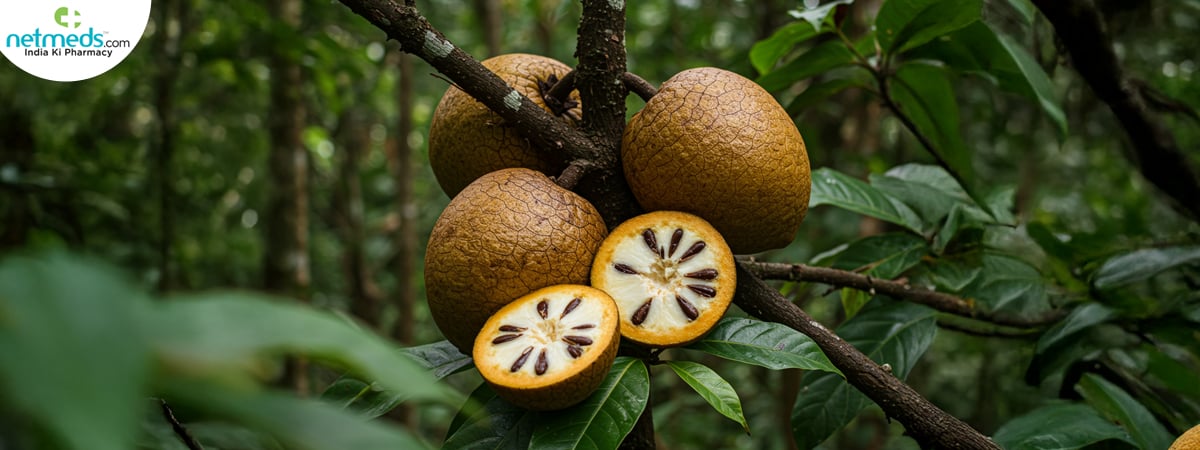
Cupuacu is a tropical rainforest tree belonging to the Malvaceae family, the same family as cacao (Theobroma cacao). Native to the Amazon Basin of Brazil, Peru, Colombia, and Bolivia, the name Theobroma literally means ‘food of the gods.’
The tree produces large, football-shaped fruits with a thick brown rind and soft, fragrant white pulp inside. While the pulp is widely used in juices, desserts, and traditional remedies, the seeds are processed into cupuacu butter, a prized ingredient in natural skincare and haircare formulations.
In indigenous Amazonian communities, cupuacu has traditionally been used to boost energy, support digestion, strengthen immunity, and nourish the skin, both internally and externally.
Plant Description Of Cupuacu
Cupuacu trees can grow up to 20 meters tall, thriving in humid, shaded rainforest environments. The leaves are large, glossy, and elliptical, while the flowers are small and reddish, growing directly from the trunk and branches (a trait known as cauliflory).
The fruit itself is large and heavy, weighing up to 2 kg. Inside the hard shell lies a creamy pulp rich in polyphenols, vitamins, and healthy fats. The seeds, similar to cacao beans, are fermented and processed to yield cupuacu butter, renowned for its ability to retain moisture and improve skin elasticity.
Vernacular And Other Names of Cupuacu
Scientific: Theobroma grandiflorum
English: Cupuacu, Cupuaçu
Portuguese (Brazil): Cupuaçu
Spanish: Copoazu
Hindi: Cupuacu
Sanskrit: (No classical Sanskrit name; non-native Amazonian species)
Tamil: Cupuacu Pazham
Telugu: Cupuacu Pandu
Kannada: Cupuacu Hannu
Malayalam: Cupuacu Pazham
Gujarati: Cupuacu Phal
Marathi: Cupuacu Phal
(Note: Cupuacu is native to the Amazon rainforest and does not have traditional Indian or Sanskrit names. Indian-language terms are transliterations or descriptive adaptations of ‘fruit/phal/pazham/hannu/pandu’ used for easier regional understanding.)
Cupuacu Medicinal Qualities
Phytochemical studies show that cupuacu is rich in:
Polyphenols and flavonoids (potent antioxidants)
Theacrine (a mild, non-jittery stimulant, unlike caffeine)
Healthy fatty acids (oleic, stearic, palmitic acids)
Vitamins A, B-complex, and C
Essential minerals like magnesium and potassium
Traditionally, cupuacu has been valued for its anti-inflammatory, antioxidant, gut-soothing, skin-repairing, and immune-supportive properties.
Cupuacu Ayurvedic Perspective (Interpretative)
Although cupuacu is not mentioned in classical Ayurvedic texts, its qualities allow us to interpret its effects through an Ayurvedic lens:
Rasa (Taste): Madhura (sweet), slightly Amla (sour)
Guna (Quality): Snigdha (unctuous), Guru (nourishing)
Virya (Potency): Sheeta (cooling)
Vipaka: Madhura
Dosha Effect: Pacifies Vata and Pitta, may increase Kapha if consumed excessively
This suggests cupuacu may support tissue nourishment (Dhatu poshana), hydration, and cooling of inflammatory conditions.
10 Notable Health Benefits of Cupuacu
Powerful Antioxidant Protection
Cupuacu is rich in polyphenols and flavonoids that help neutralise free radicals in the body. These antioxidants protect cells from oxidative damage, which is linked to premature ageing, inflammation, and the development of chronic diseases. Regular intake of antioxidant-rich foods like cupuacu can support cellular health, enhance skin vitality, and contribute to long-term wellness.
Supports Gut Health
The natural dietary fibre found in cupuacu pulp promotes healthy digestion by improving bowel regularity and supporting beneficial gut bacteria. This helps prevent constipation, bloating, and sluggish digestion. Traditional Amazonian use also highlights its soothing effect on the digestive tract, making it useful for people with sensitive digestion when consumed in moderation.
Also Read: Digestive Disorders: 7 Ways To Improve Gut Health
Reduces Inflammation
Bioactive compounds in cupuacu exhibit anti-inflammatory properties that may help reduce low-grade inflammation in the body. This can be beneficial for individuals experiencing joint stiffness, muscle soreness, or inflammatory skin conditions. By calming inflammatory pathways, cupuacu may support overall metabolic and immune balance.
Hydrates Skin
Cupuacu butter is renowned for its exceptional water-retention capacity, reportedly holding significantly more moisture than lanolin. When applied topically, it penetrates deeply into the skin, improving elasticity, softness, and barrier function. This makes it especially beneficial for dry, eczema-prone, or mature skin.
Also Read: The Elixir Of Youth: Proven Ayurvedic Herbs For Astounding Anti-Ageing Benefits
Strengthens Hair
Used in haircare, cupuacu butter coats the hair shaft with nourishing fatty acids that help seal in moisture, reduce frizz, and enhance shine. It improves hair elasticity, which may reduce breakage and split ends. This makes it a valuable ingredient for curly, dry, or chemically treated hair.
Bolsters Immune System
Cupuacu contains vitamin C and antioxidant compounds that support immune resilience. These nutrients help strengthen the body’s natural defence mechanisms by protecting immune cells from oxidative stress and supporting efficient immune responses, particularly during seasonal changes or periods of stress.
Also Check-out: 5 Must-Try Herbs: Boost Your Health, Immunity, And Heal Naturally - Infographic
Provides Sustained Energy
Unlike cacao or coffee, cupuacu contains theacrine, a compound known for offering mental alertness without overstimulating the nervous system. This results in steady energy and improved focus without jitters, anxiety, or sudden crashes, making it suitable for individuals sensitive to caffeine.
Improves Cardiovascular Health
The healthy fats present in cupuacu, especially oleic and stearic acids, may help maintain balanced cholesterol levels when included as part of a wholesome diet. Its antioxidant properties further support cardiovascular health by protecting blood vessels from oxidative damage and inflammation.
Also Read: Heart Health: Add These 5 Powerful Herbs For Optimal Cardiac Function
Helps Balance Mood
Traditional use suggests that cupuacu has a gently uplifting yet calming effect on mood. Its combination of healthy fats, antioxidants, and theacrine may help support neurotransmitter balance and reduce stress-related fatigue, promoting emotional well-being without overstimulation.
Promotes Overall Tissue Nourishment
From an integrative wellness perspective, cupuacu provides deep nourishment to body tissues, supporting skin, muscles, and connective tissues. Its nutrient-dense profile aids recovery, hydration, and cellular repair, making it beneficial during periods of physical exertion, dryness, or general fatigue.
Cupuacu Dosage
There is no standardised medical dosage, but common usage guidelines include:
Pulp (food use): 50–100 g in smoothies, desserts, or juices
Powdered pulp extract: 500–1,000 mg daily
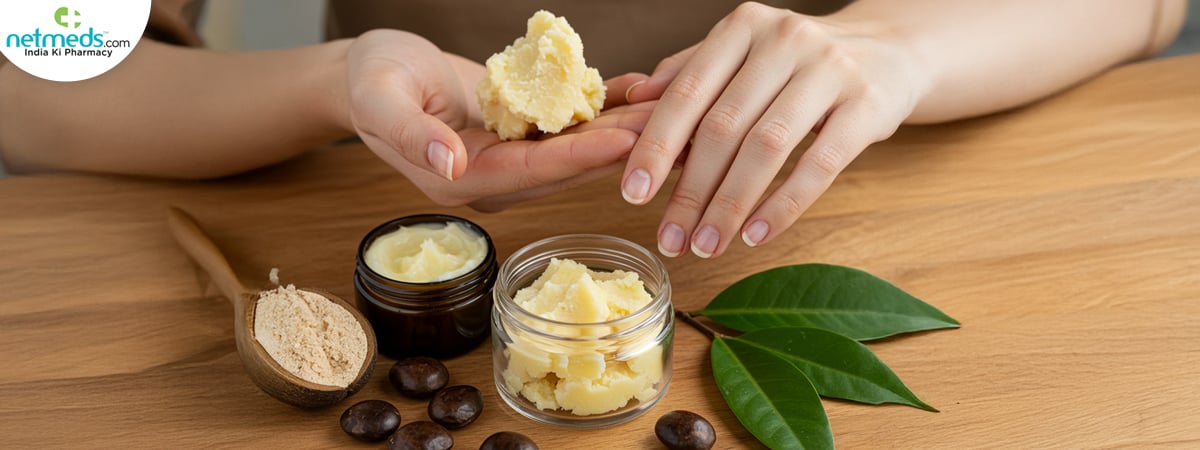
Cupuacu butter (topical): Apply as needed for skin or hair
Capsules/extracts: Follow manufacturer or practitioner guidance
Always start with small amounts and assess tolerance.
Cupuacu Side Effects And Precautions
Generally safe when consumed as food
Excess intake may cause digestive heaviness due to richness
People with fruit allergies should proceed cautiously
Pregnancy and breastfeeding: Food amounts are safe; supplements should be used only with professional advice
Those on restricted-fat diets should moderate their intake
Frequently Asked Questions
Is cupuacu better than cacao?
It is not better, but different, cupuacu is more hydrating and less stimulating than cacao.
Can cupuacu butter be used daily on the skin?
Yes, it is safe for daily use and suits sensitive skin.
Does cupuacu contain caffeine?
No, it contains theacrine, which is gentler and non-jittery.
Is cupuacu safe for children?
Yes, in food amounts.
Conclusion
Cupuacu (Theobroma grandiflorum) is a remarkable Amazonian superfruit that bridges nutrition, traditional medicine, and modern skincare. From antioxidant-rich pulp to deeply nourishing butter, it supports digestion, skin health, immunity, and overall vitality. While generally safe, mindful consumption and quality sourcing are key.
Used wisely, cupuacu offers a beautiful example of how nature’s bounty can support holistic well-being, inside and out.
References:
 Previous