


Every monsoon, nature offers many seasonal vegetables that have been a part of Indian homes for centuries. Spinach, fenugreek, and amaranth, Colocasia leaves, and so forth all make it to our platters. Besides these, one lesser-known leafy vegetable that quietly appears during the rainy season is Cassia Tora, also known as Chakvad and Sickle Senna. Rural communities have included this leafy green for centuries in their monsoon diet. Its earthy flavour, rich nutritional profile, and remarkable medicinal properties make it so popular.
Here's everything you should know about this local leafy green: where it grows, why it is considered a monsoon delicacy, and an easy recipe you may want to try this season at home.
How To Ferment Leafy Greens? Health Benefits, Procedure, Best Varieties and Traditional Recipes
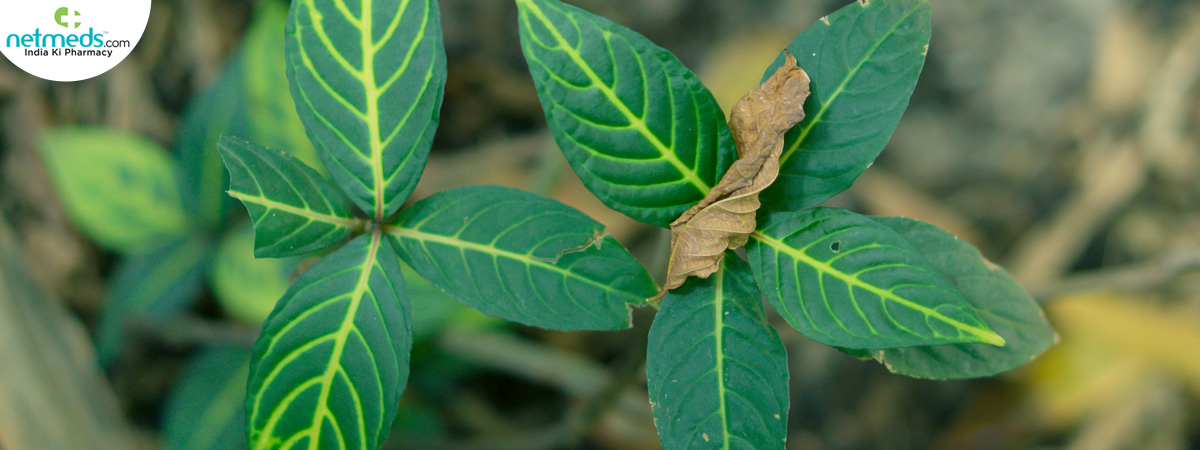
What Is Chakvad (Cassia tora)?
A wild edible leafy plant belonging to the legume family. Chakvad (Senna tora or Cassia tora) grows naturally during the rainy season without intensive cultivation. Used in Ayurveda and folk medicine, its tender leaves are harvested when young and cooked as a leafy vegetable. Mature leaves are avoided as they become more bitter when cooked. Its seeds, leaves, and roots have all traditionally been used to support digestive health and skin wellness.
Other Names Of Chakvad
Scientific name: Senna tora (formerly Cassia tora)
Hindi: Chakvad or Chakwad
Marathi: Takla
Gujarati: Kuvadiyo
Bengali: Chakunda
Tamil: Tagarai
Telugu: Tagirisa
English: Sickle Senna, Foetid Cassia
For Optimal Health And Well-Being, Shop From Our Best-Selling Nutritional Supplements
Where Is Chakvad Grown?
The plant abundantly grows across India and during rains is commonly found in states such as Maharashtra, Madhya Pradesh, Chhattisgarh, Jharkhand, Bihar, Uttar Pradesh, Rajasthan, Gujarat, and Odisha and in mountains of Himachal Pradesh and Uttarakhand, Rather than being commercially farmed, Chakvad usually thrives in grasslands, forest edges, roadsides and riverbanks Since it flourishes naturally after rainfall, it has become an important seasonal vegetable in many villages.
Also Read: Bathua/ Bathua Saag: Nutrition and Health Benefits Of This Green Leafy Vegetable
Nutritional Profile of Chakvad
Although nutritional values vary depending on growing conditions, Chakvad leaves are known to contain:
· Dietary fibre
· Vitamin C
· Calcium
· Iron
· Potassium
· Magnesium
· Plant proteins
· Polyphenols
· Flavonoids
· Anthraquinones
Top Health Benefits Of Chakvad/Cassia Tora
Maintains Healthy Digestion
Like all green veggies, Cassia Tora supports digestive health. Traditional medicine also considers it a beneficial veggie for bolstering gut function.
Boosts Immunity
Vitamin C and antioxidant-rich foods play an important role in supporting the human body’s immune function. Thus, even this leafy green, being high in antioxidants, can add nutritional diversity to the diet during the rainy season.
Supports Bone Health
The presence of calcium and magnesium in this green brings a nutritious addition to a balanced diet. This helps to support healthy bones and muscles.
Good For Eye Health
Being a source of provitamin A compounds, when consumed as part of a varied diet, Cassia Tora leaves can help to improve eye health and prevent macular degeneration.
May Help Maintain Healthy Blood Sugar Levels
Some preliminary laboratory and animal studies suggest that compounds present in Cassia Tora may influence glucose metabolism. However, more human research is needed, and it should not be considered a diabetes treatment or for lowering sugar levels through diet.
Traditionally Used For Skin Health
Owing to potent antimicrobial and anti-inflammatory properties, in Ayurveda and folk medicine, Chakvad leaves have been used both internally and externally for curing certain mild skin conditions.
Also Read: Sapodilla /Sapota: Health Benefits, Nutrition, Uses, Recipes, And Side Effects
If you come across fresh Chakvad during the rainy season, try incorporating it into your weekly menu. Cooked properly and enjoyed as part of a balanced diet, this humble wild green can be a wholesome addition to your monsoon plate. An excellent example of how traditional food wisdom aligns with modern nutrition, here is how you can bring it to your table:
Traditional Chakvad Bhaji Recipe
Ingredients
· A bunch of Chakvad leaves
· 2 finely chopped onions
· 4 garlic cloves
· 2 green chillies
· 1 teaspoon cumin seeds
· ½ teaspoon mustard seeds
· ¼ teaspoon turmeric
· Salt to taste
· 1 tbsp roasted peanut powder
· 2 tbsp ghee
· Half juiced lime
Method
· Wash the Chakvad leaves thoroughly
· Blanch the leaves in boiling water to reduce bitterness
· Heat oil and add mustard and cumin seeds
· Add garlic, onion, green chillies, and turmeric, and sauté well
· Add the chopped leaves and cook until they become tender
· Mix in roasted peanut powder
· Adjust salt and cook until the moisture goes away
· Add the lemon juice and serve hot
Frequently Asked Questions
Why Is Chakvad Considered Good To Eat During Monsoon?
Chakvad is considered a monsoon favourite because it's a seasonal, nutrient-rich leafy green packed with fibre, antioxidants, beta-carotene, iron, and calcium that supports overall health.
Are There Any Side Effects Of Chakvad?
While Chakvad is safe when consumed as a cooked vegetable in moderate amounts, eating raw leaves can be harmful, and they should be washed thoroughly before cooking.
What Notable Nutrients Are Found In This Leafy Green?
Chakvad is rich in antioxidant content, dietary fibre, iron, calcium, and vitamin A precursors. The exact nutrient levels vary depending on where it's grown and how is it cooked as over cooking may damage some vitamins and minerals.
References:
https://pmc.ncbi.nlm.nih.gov/articles/PMC10777956/
https://www.sciencedirect.com/science/article/pii/S0740002025000139
 Previous


