In recent weeks, cases of bird flu (avian influenza) have increased in different parts of India, particularly in Chennai, Tamil Nadu, where more than 1500 crows were found dead. Reports have confirmed that a highly pathogenic H5N1 virus in wild birds is prompting intensified surveillance and response measures.
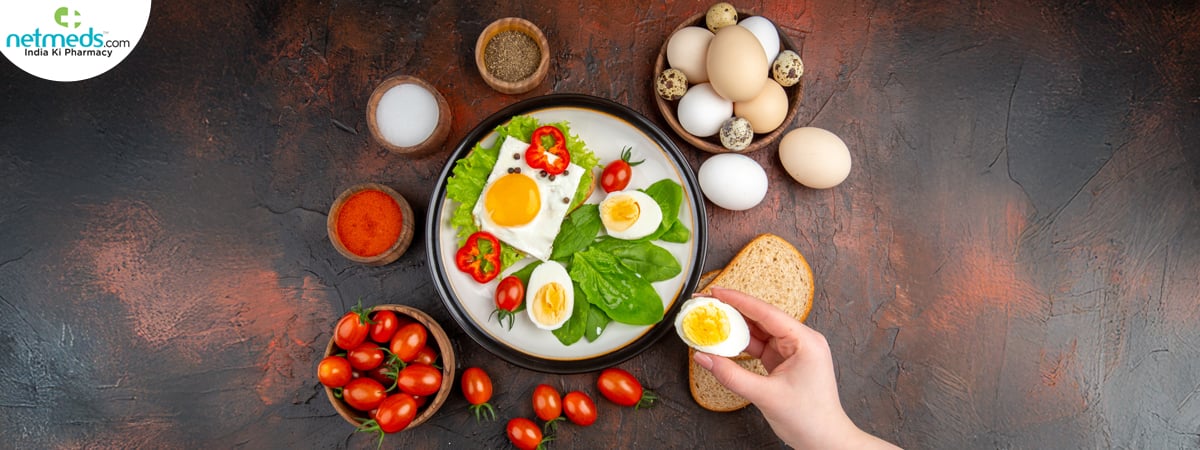
This has made people hesitant to consume meat. People who regularly eat chicken and eggs are unsure about how to consume them safely. Medical experts say bird flu does not spread via properly cooked poultry or eggs; the real risk lies in poor handling, undercooking or having food from unsafe sources. Instead of getting panicked, what’s needed is the right information, awareness and safe food handling procedures.
To Stay Healthy And Disease Free, Shop From Our Best Range of Immunity Boosters, Right Here!
Read this article to understand the current situation and know about healthy and safe ways to consume non-vegetarian food amid bird flu cases.
Also Read: How To Prevent Flu? Early Warning Symptoms and Ways To Fight Back Influenza
What Is Bird Flu and How Does It Spread?
Bird flu is a viral infection that affects birds, cows and other animals. In very rare cases, humans can also get infected through direct contact with infected birds, their secretions or contaminated surfaces. Bird flu can cause mild to severe respiratory infections and pink eye.
Facts reveal that:
There is no clear evidence that bird flu spreads through well-cooked chicken or eggs.
The virus is heat-sensitive and gets destroyed easily at normal cooking temperatures.
Should You Stop Eating Chicken and Eggs?
Not really, if you follow proper safety and preventive measures.
Chicken, eggs, fish, and meat are undeniably excellent sources of protein, iron, zinc, and vitamin B12, which are essential for boosting immunity and overall health. Avoiding them totally without a valid reason may lead to nutritional deficiencies, especially for children, elderly people, and fitness enthusiasts.
Safe Ways to Consume Non-Vegetarian Foods During Bird Flu Scare
Always Eat Well-Cooked Meat
Never consume raw or undercooked chicken, meat, or eggs. Cook poultry until the meat is no longer pink, juices run clear, and the meat is at a higher temperature. The internal temperature should reach at least 74°C (165°F). Boiling, pressure cooking, roasting and frying are safe methods when done appropriately.
Avoid Raw or Half-Boiled Eggs
Stay away from eating undercooked dishes like runny eggs, raw egg mayonnaise, and homemade protein drinks with raw eggs. Instead, go for completely boiled, scrambled or omelette-style egg preparations.
Buy Only From Trusted Sources
Always purchase chicken and meat from government-authorised shops, well-maintained butcher shops, and branded frozen or packaged meat sources.
Avoid buying from roadside slaughtering or unhygienic wet markets during outbreaks.
Maintain Strict Kitchen Hygiene
Cross -contamination is highly risky. Remove packaged chicken carefully and transfer it immediately to a clean container. Keep it on a well-cleaned chopping board or plate and use a paper towel to remove any visible dirt. After wiping, wash the chicken well using hot water blended with turmeric, which naturally contains antibacterial traits.
Use separate cutting boards for meat and vegetables and clean knives, surfaces and sinks with hot water and detergents.
Prefer Freshly Cooked Food Over Stored Meat
Limit the intake of reheated chicken numerous times, as meat stored for long hours at room temperature may get spoiled easily and is not safe. Always prefer freshly cooked foods, as they are healthier and nutritionally superior in quality.
Also Read: Seasonal Flu: Causes, Symptoms, and Dietary Solutions To Combat This Illness
Boost Your Immunity
Combine non-veg meals with Vitamin C-rich vegetables like lemon, tomatoes, greens, cauliflower, potato and amla. Use liberal amounts of spices like turmeric, ginger, garlic, and pepper. A robust immune system lowers your risk of infections in general.
Conclusion
Bird flu scares call for appropriate surveillance and precautions, not to panic. When meat is sourced from authorised dealers, cooked well, and handled hygienically, non-vegetarian food is considered safe to eat, even during outbreaks.
Instead of eliminating chicken or eggs from your diet, pay attention to food safety, proper cleanliness, and balanced nutrition. Getting the right information is your best protection.
References:
Preventive, safety and control measures against Avian Influenza A(H5N1) in occupationally exposed groups: A scoping review
Haydee Susana Catalan Saenz 1, Liliana Cruz-Ausejo 1,⁎
https://pmc.ncbi.nlm.nih.gov/articles/PMC11253690/
https://fssai.gov.in/upload/uploadfiles/files/Guidance_Note_Meat_Egg_Bird_Flu_20_01_2021.pdf
https://digitalcommons.usu.edu/cgi/viewcontent.cgi?article=2097&context=extension_curall
 Previous