


Menstruation is a natural and essential part of a woman’s reproductive cycle and indeed a key aspect of overall health and hormonal balance. Every month, women rely on menstrual hygiene products to stay comfortable, confident, and protected while going about their daily routines. The importance of choosing the right sanitary wear cannot be ignored because it not only affects physical comfort but also plays a vital role in maintaining hygiene, preventing infections, and supporting emotional well-being during periods.

Choosing between tampons and pads is one of the most common decisions women make when managing their menstrual flow. Both products are highly accessible, widely used, and well-designed to keep you comfortable and protected throughout your period. Yet, despite their familiar presence in our daily lives, the tampon-versus-pad debate continues, mainly because everyone is different, with varying comfort levels, lifestyle needs, and menstrual patterns.
Also Read: How To Reduce Bloating During Periods? 5 Effective Home Remedies For Instant Relief
This article provides a detailed comparison, highlighting the key benefits, possible risks, and important precautions for using tampons and pads. Whether you are new to menstrual products or simply reconsidering your options, this article will help you make an informed choice based on your lifestyle, comfort, and health needs.
Difference Between Pads And Tampons
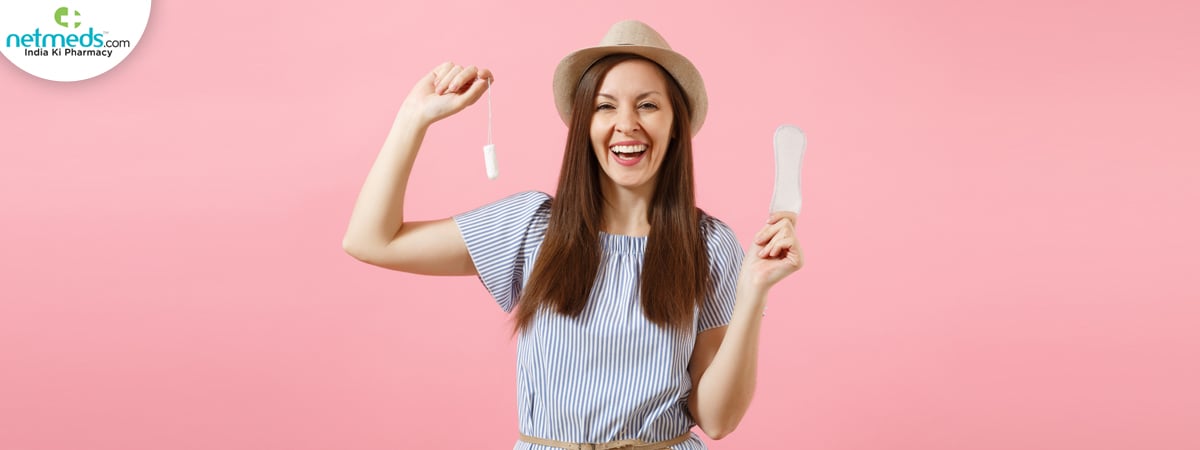
Tampons are small absorbable sticks inserted into the vagina to soak menstrual blood internally, making them a preferred choice for people with active lifestyles or those who want discreet protection. Pads, on the other hand, are worn externally and offer a convenient and beginner-friendly option suitable for all ages. While both offer unique benefits, they also entail specific risks and precautions that users should understand to stay safe and comfortable.
Also Read: How To Ease Period Pain? 5 Powerful Drinks To Reduce Cramps Instantly
Tampons offer the following benefits:
Greater Freedom For Physical Activities
Tampons are ideal for sports, swimming, gym workouts, and other physical activities. Since they are worn internally, they stay secure and unaffected by movement, reducing the risk of shifting or discomfort.
More Discreet And Invisible
Tampons are small, easy to carry, and invisible under clothing. There are no visible lines, making them perfect for fitted outfits or swimwear.
Minimal Odour
Because tampons absorb menstrual flow inside the vagina, they significantly reduce exposure to air, which helps minimise period-related odour.
Suitable For Heavy And Light Flow
Tampons come in various absorbency levels from light to super plus, allowing users to adjust based on their daily flow without changing product type.
Comfortable When Inserted Correctly
Once inserted properly, tampons are barely noticeable. Many people prefer them because they feel dry and comfortable throughout the day.
Also Read: Cinnamon Water for Period Pain: How It Works, Benefits, and Best Ways to Use It
Benefits Of Using Pads
Check out the benefits of using a sanitary pad:
Beginner Friendly
Pads don’t require insertion, making them the most comfortable choice for first-time users, young girls, or anyone who prefers an external product.
Safe For Overnight Use
Pads can be worn overnight without the same time restrictions associated with tampons, making them convenient for long sleep hours.
Wide Variety of Options
From ultra-thin to maxi, scented to unscented, reusable to disposable, pads offer a wide range of choices to match comfort and flow levels.
Reduced Risk Of Toxic Shock Syndrome
Pads do not sit inside the vagina and therefore carry an extremely low risk of TSS, making them a safer alternative for those concerned about infections.
Better For Very Heavy Flow Or Irregular Bleeding
Pads can handle sudden gushes, clotting, or heavy flow more effectively, especially during the first few days of menstruation.
Also Read: Menstrual Worries: 5 Different Period Problems And Their Ayurvedic Remedies
Key Precautions When Using Tampons
· When using tampons, it is essential to follow strict hygiene practices
· Always wash your hands before and after insertion to minimise infection risk
· Choose the lowest absorbency necessary for your flow to reduce the chance of Toxic Shock Syndrome
· Never leave a tampon in for more than four to six hours, as prolonged use increases bacterial growth. Avoid sleeping with a tampon unless you can change it within the recommended timeframe
· If you experience unusual pain, fever, dizziness, or foul-smelling discharge, remove the tampon immediately and consult a healthcare professional
· Always switch to a fresh tampon after swimming or exercising
Key Precautions When Using Pads
· Pads are generally safe, but they still require proper hygiene
· Change pads every four to six hours, or more frequently if you have a heavy flow, to prevent bacteria buildup and skin irritation
· Always go for breathable, unscented pads if you have sensitive skin or allergies
· Keep the genital area clean and dry to avoid rashes or infections. If using reusable cloth pads, wash them thoroughly with warm water and mild detergent, and ensure they are fully dry before reuse
· Always store pads in a clean, dry place. If you notice persistent itching, redness, or discomfort, consider switching pad types or brands
Also Read: Yoga For Dysmenorrhea: Bid Goodbye To Menstrual Cramps With These Spectacular Poses
What Is Better? A Pad Or A Tampon
Choosing the right menstrual product comes down to what feels most comfortable and practical for your lifestyle. Both tampons and pads have unique strengths, and using them together can offer the following most balanced protection throughout your cycle.
· Both tampons and pads are effective menstrual hygiene options, and the best choice depends on personal comfort and lifestyle
· Using a combination of both products can offer greater flexibility throughout the menstrual cycle
· Pads are generally safer for overnight use, while tampons offer better freedom during sports and daily activities
· Tampons provide discreet, internal protection, but require mindful usage to avoid risks like TSS
· Pads are non-invasive and beginner-friendly, making them a suitable choice for young users or those uncomfortable with insertion
· People with very heavy flow may prefer pads on heavier days and tampons on lighter or active days
· Hypersensitive skin may benefit from breathable, unscented pads, while those prone to irritation may prefer tampons that reduce external moisture
· Switching between tampons and pads during a single cycle is normal and can improve comfort and hygiene
· The right product is the one that keeps you confident, dry, and irritation-free without disrupting your routine
· Ultimately, both products can coexist in your period routine, giving you full control over comfort, convenience, and protection
References:
Physiology, Menstrual Cycle
Dhanalakshmi K. Thiyagarajan; Hajira Basit
https://www.ncbi.nlm.nih.gov/books/NBK500020/
https://www.thelancet.com/journals/lanogw/article/PIIS3050-5038(25)00001-9/fulltext
 Previous


