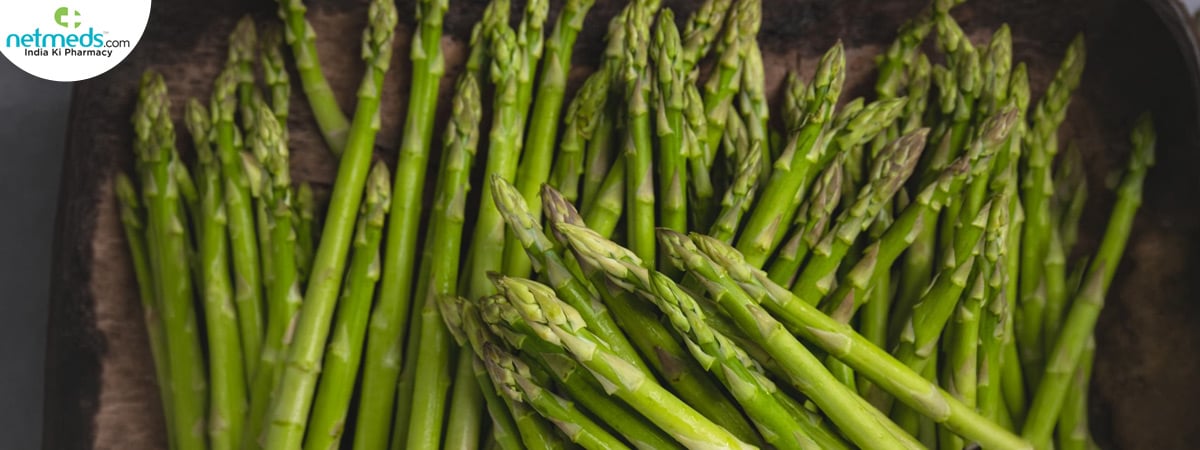
Asparagus is a nutrient-dense green vegetable known for its tender stalks, mild, earthy flavour, and potent health benefits. It has the scientific name Asparagus officinalis and is a member of the lily family. Asparagus has been used for ages in traditional medicine and modern nutrition because of its antioxidant content, dense nutrient profile and other bioactive plant compounds.
Buy Our Top-Selling Nutrition Supplements Today To Ensure The Overall Health Of Your Family!
This vegetable comes in a range of colours, including green, white and purple. It is used in cuisines globally, such as stir-fries, pasta and frittatas and holds a special place in weight-loss diets. Dive into this article to learn more about asparagus nutrition, health benefits, uses, recipes and side effects.
Asparagus Nutritional Value
Though low in calories, asparagus boasts an impressive nutrient profile.
Nutritional Value of raw asparagus per 100 grams
Calories: 20
Protein: 2.2 g
Fat: 0.2 g
Fiber: 1.8 g
Vitamin C: 12% of the RDI
Vitamin A: 18% of the RDI
Vitamin K: 57% of the RDI
Folate: 34% of the RDI
Potassium: 6% of the RDI
Phosphorus: 5% of the RDI
Vitamin E: 7% of the RDI
*Source: As per the U S. Food and Drug Administration (FDA)
Asparagus contains several essential vitamins such as vitamin K, C, E, A and folate that support immunity, fertility, hormones, eye, skin and pregnancy health.
Also Read: Cauliflower vs Broccoli: Which Is Healthier? Nutrition, Health Benefits And Uses
Health Benefits of Asparagus
Antioxidant Effects
Antioxidants are potent compounds that help safeguard cells from the harmful effects of free radicals and oxidative stress. Free radical damage contributes to premature ageing, inflammation and chronic diseases including diabetes, heart disease and cancer. Like most green veggies, asparagus contains high levels of antioxidants, including vitamin E, C and glutathione, flavonoids and polyphenols. While it’s especially rich in flavonoids quercetin, isorhamnetin, and kaempferol that offer incredible health benefits and a positive impact on heart health, fertility and overall well-being.
Promotes Digestive health
Asparagus contains about 1.8 grams of dietary fiber in about a half-cup serving, which helps you meet 7% of your daily requirements. It is also rich in natural probiotics like inulin, which help support the growth of good gut bacteria and maintain gut microbiome balance. Regular addition of this green veggie helps prevent constipation and other digestive issues.
Manages Diabetes
Asparagus, being low in glycemic index and high in dietary fiber is highly beneficial for diabetic patients. It controls post-prandial blood sugar spikes and promotes insulin sensitivity. Moreover, several studies have revealed that compounds in asparagus improve insulin levels and regulate glucose and cholesterol levels.
Reduce Cholesterol
Several studies have shown that asparagus is potentially in diminishing cholesterol levels by promoting the binding capacity of bile acids during digestion. Asparagus is known to have a remarkably higher bile acid-binding nature than most other vegetables. This quality of asparagus may control lipid metabolism, lower cholesterol levels, and regulate blood pressure.
Supports Fertility Naturally
The wealth of nutrients in asparagus, including folate and antioxidants, improves egg quality, promotes sperm health and motility, and maintains hormonal balance in women, thereby supporting fertility and good reproductive health.
Bolsters Immunity
The powerful antioxidant activity of asparagus extract helps boost immunity in numerous ways, including increasing the activity of red and white blood cells and the production of antibodies. Besides these, asparagus possesses antimicrobial traits that help shield against infections and keep bacterial diseases at bay.
How Does Asparagus Help Female Fertility Naturally?
The presence of folate in asparagus supports ovulation and helps regulate cell division and reproductive function by balancing hormones and easing inflammation.
Does Asparagus Support PCOS?
Yes, asparagus is a healthy addition to PCOS meal regimen. It is beneficial because it is low in calories and contains a good amount of dietary fiber, which supports insulin regulation and lowers inflammation.
Is Asparagus Good for Couples Trying to Conceive?
Yes, asparagus can be a smart addition to a fertility-focused diet for both men and women. This green vegetable is an impressive source of folate, which promotes fetal development and balances hormones. A rich antioxidant profile promotes male fertility health and supports reproduction.
Best Way to Consume Asparagus
The best way to consume asparagus depends on your health goals.
Lightly steamed and boiled
Roasted
Stir-fried with olive oil
Grilled
Added to salads
For maximum nutritional uptake, avoid overcooking.
The tender top portion is the most flavourful.
Usually, the tough bottom ends are trimmed before cooking.
Also Read: Broccoli For Health: Tasty Recipes With This Cruciferous Vegetable To Boost Immunity
How to Cook Asparagus?
Simple cooking methods like steaming for 4-6 minutes preserve the maximum nutrients.
Roast at 200°C for about 12–15 minutes.
Grilling adds smoky flavour and crisp texture.
Stir-frying is quick and preserves nutrients.
Healthy Asparagus Recipes
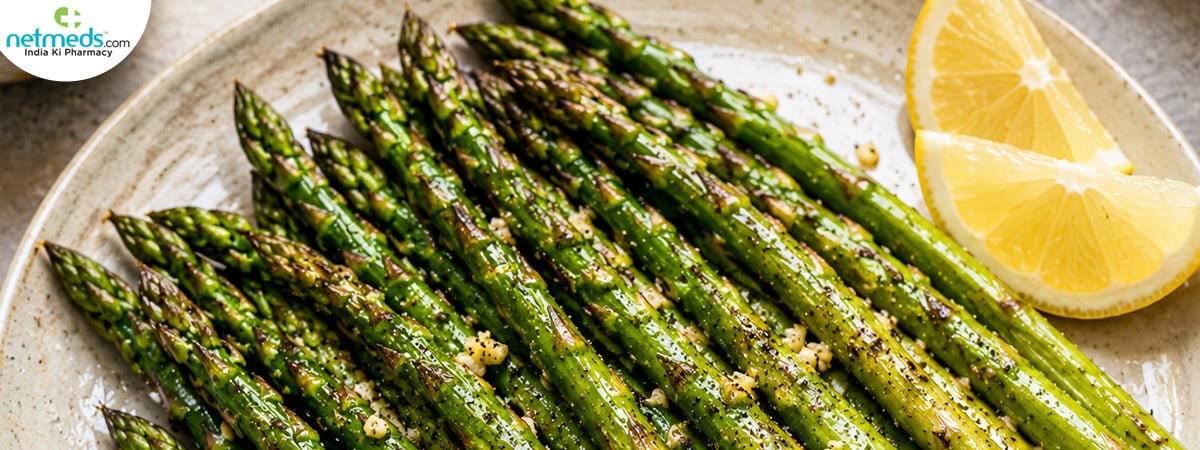
Roasted Asparagus
Ingredients
Fresh asparagus
1 tsp of olive oil
1 tsp of finely chopped garlic
½ tsp of black pepper powder
½ tsp of chilli flakes
Salt to taste
1 tsp of lemon juice
Method
Wash and trim asparagus edges.
Toss with olive oil and seasoning.
Roast until tender.
Drizzle lemon juice before serving.
Side Effects
Although asparagus is healthy and safe for most healthy adults, some people may experience side effects.
Fiber and certain carbohydrates may cause digestive discomfort, such as bloating and indigestion.
Some people may not like a strong odour, which is harmless and caused by sulfur compounds.
Allergic reaction is rare, but possible.
Those on blood-thinning medications should be cautious, as vitamin K may interact with them.
Frequently Asked Questions
How Often Should You Eat Asparagus?
Most healthy adults can safely include asparagus 2–4 times per week, as part of a balanced meal plan. Moderation is the key, as overconsumption can cause digestive discomfort and nutrient imbalance.
Which Is Healthier, Broccoli Or Asparagus?
Both green vegetables are healthy additions to a balanced meal plan. Asparagus is slightly higher in fiber, folate, magnesium, and selenium, whereas broccoli is a rich source of vitamin C. The difference in their nutrients is minimal, while the choice depends on which vegetable is seasonally available and pairs well with your meal. Generally, eating a variety of vegetables is best for your overall health.
Why Is Asparagus A Superfood?
Asparagus contains an impressive profile of micronutrients, including iron, zinc, and riboflavin. It’s an excellent source of vitamin K, a key nutrient needed for blood clotting and bone health. Additionally, rich in folate (vitamin B9), a nutrient that supports healthy pregnancy and other important bodily functions such as cell growth and DNA formation.
Is Asparagus Best Consumed Cooked Or Raw?
You can eat asparagus raw; however, cooking may boost antioxidants profile and nutrition.
Conclusion
Asparagus is a versatile vegetable that can be enjoyed both cooked and raw, either by itself or in soups, stews, salads, and more. Also being low in calories and boasting a high profile of vitamins, minerals, and antioxidants that may offer numerous health benefits, such as helping lower blood pressure and cholesterol and supporting immunity. Moreover, the right combination of folate and antioxidants in asparagus makes it special for reproductive health.
References
A Review of the Pro-Health Activity of Asparagus officinalis L. and Its Components
Beata Olas 1
https://pmc.ncbi.nlm.nih.gov/articles/PMC10814860/
https://www.sciencedirect.com/science/article/pii/S0963996922013424
https://www.researchgate.net/publication/367731801_Health_Benefits_of_Asparagus
 Previous