


Butter has long been a staple in cuisines across the world. However, many people limit their intake due to concerns about cholesterol levels. In recent years, plant-based alternatives such as peanut butter and almond butter have gained popularity for their improved nutritional profile. This has led many to ask: which plant butter is the healthiest? Well, almond butter is generally healthier than peanut butter because it contains more vitamin E, magnesium, and heart-healthy fats, while peanut butter has more protein and is more affordable. The better option depends on your health goals, such as nutrition, muscle gain, or budget.
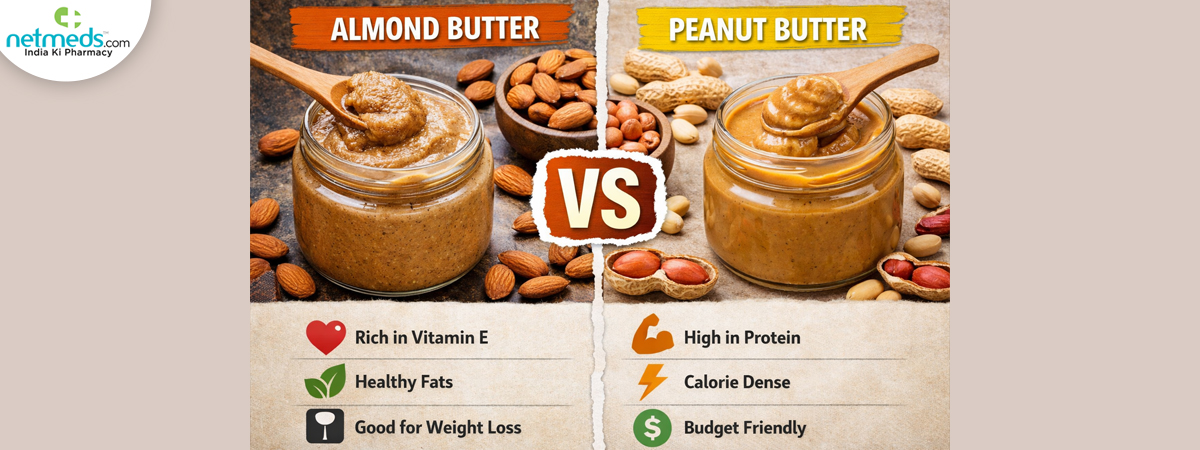
Dive into this article to learn more about their difference, nutrition, health benefits, uses and side effects.
Almond Butter vs Peanut Butter Comparison
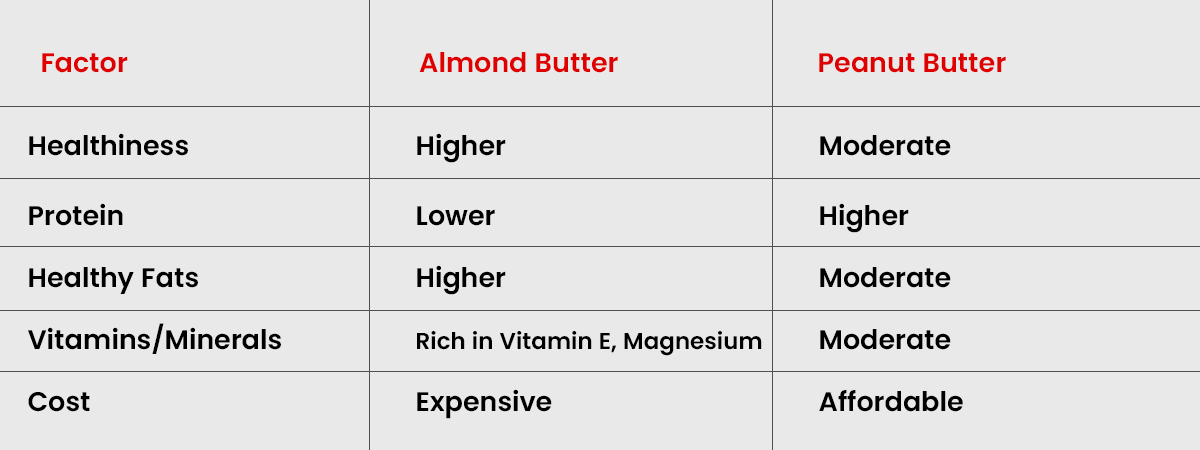
Verdict: Almond butter is nutrient-dense, while peanut butter is protein-rich and budget-friendly.
Which is Healthier: Almond Butter or Peanut Butter?
Almond butter is healthier overall because it delivers more essential micronutrients and healthy fats, which promote heart health, skin health, and metabolism. However, peanut butter is better for boosting protein intake and building muscle mass.
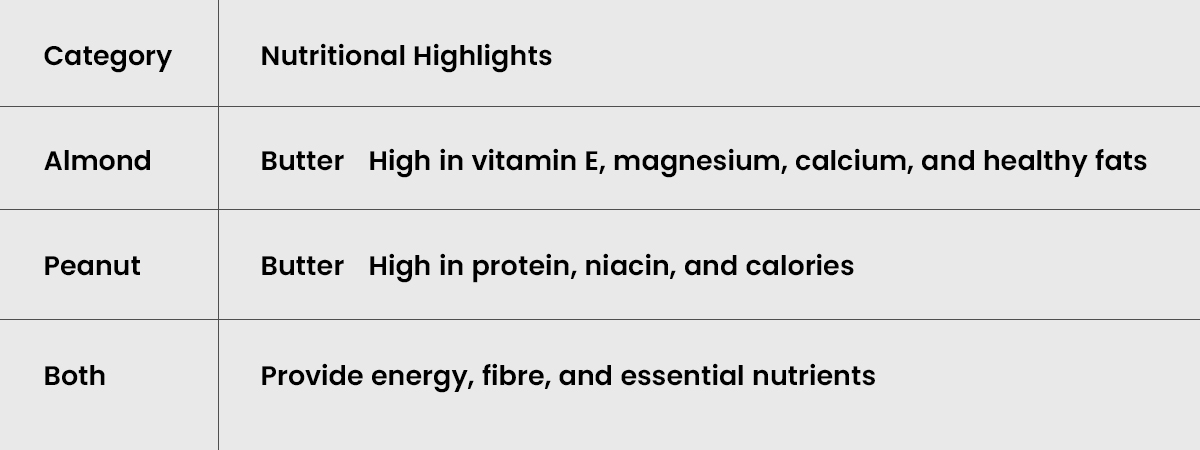
Nutritional Difference Explained
When to Choose Almond Butter vs Peanut Butter
Almond butter is considered a healthier choice for those who want to improve their heart health and cardiac function. To meet the increasing demands of vitamins and minerals. And for those who are following a low-carb or keto diet.
Peanut is a perfect choice for all fitness enthusiasts who wish to gain muscle mass, endurance and energy. It is valued as a healthier choice to support post-workout nutrition needs. And you are on a low budget.
Verdict: Almond butter is perfect for boosting nutrition, while peanut butter is best for protein and affordability.
Also Read: Peanut Butter: Splendid Health Benefits Of This Yummy Spread Plus A Simple Recipe
Benefits of Almond Butter
Improves Heart Health
Almond butter is packed with monounsaturated fats that help diminish bad LDL cholesterol levels and increase good HDL cholesterol, thereby maintaining a lipid profile in a healthy range. In addition, vitamin E, magnesium and dietary fiber mitigate inflammation and lower risk factors for cardiovascular disease.
Boosts Skin Glow
The goodness of vitamin E, antioxidants and healthy fatty acids in almond butter can remarkably uplift skin radiance by offering hydration, repairing skin and easing inflammation. It also acts as a natural moisturiser, improving skin tone, texture and complexion, and reducing the appearance of fine lines and wrinkles.
Manages Diabetes
Adding almond butter made without sugar in your diet regimen works well for diabetics, as it contains a good source of healthy fats, protein and dietary fiber. The key nutrients prevent blood sugar spikes, and magnesium in almonds improves insulin sensitivity and glucose metabolism. In addition, almond butter is low in glycemic index and high in fiber can control unwanted hunger pangs and offer a sustained source of fuel.
Triggers Immunity
The vast reserves of vitamins and antioxidants in almond butter shield the healthy cells from oxidative damage. It provides key minerals like magnesium, zinc, and iron, which promote immune response, energy production and ease inflammation. It also supports gut health, which is connected to immunity, making it a wholesome addition to a meal regimen.
Benefits of Peanut Butter
Builds Muscle Mass
Several studies have disclosed that regular consumption of peanut butter helps gain muscle mass, stamina and muscle protein. It also serves as an instant source of energy and protein before and after a workout.
Keeps Satiated
Peanut butter is effective in keeping you satiated and full owing to its high content of healthy fats, plant-based protein and fibre. It increases the feeling of fullness, reduces unwanted hunger pangs and increases the secretion of peptide YY, a hormone that regulates appetite.
Heart Healthy
Peanut butter without added sugar and hydrogenated oils is considered healthy for the heart. These options are rich in protein, monounsaturated fats, vitamin E, and magnesium, which help regulate blood pressure and lower LDL cholesterol.
Uses of Almond Butter and Peanut Butter
Almond butter and peanut butter can be used as spreads, in smoothies, for baking, in sauces, and as healthy snacks.
Side Effects of Almond Butter and Peanut Butter
Almond Butter Side Effects:
As it is high in calories, excess intake may cause weight gain.
People with nut allergies should avoid.
Peanut Butter Side Effects:
It may contain added sugar and oils, which can result in weight gain.
Low-quality varieties contain aflatoxins, which may trigger allergic reactions.
Not safe for those with peanut allergies.
Both are safe in moderation, but natural, unsweetened versions are the healthiest choice.
Which is Better for Specific Goals?

Choose butter varieties based on your health goals, almond butter for health, peanut butter for protein and cost.
Frequently Asked Questions
Is almond butter better than peanut butter for weight loss?
Yes, almond butter is a better choice for weight loss, as it contains healthier fats that control appetite and reduce overall calorie intake.
Which has more protein, almond or peanut butter?
Peanut butter has more protein than almond butter.
Can I replace peanut butter with almond butter?
Yes, almond butter can replace peanut butter in most recipes and is often considered a healthier alternative.
Is it okay to eat nut butter daily?
Yes, both can be eaten daily in moderation as part of a balanced diet.
Conclusion
Almond butter is better than peanut butter in terms of nutrition and health benefits, while peanut butter is better for protein intake and affordability. Including both in moderation provides balanced nutrition.
References:
https://pmc.ncbi.nlm.nih.gov/articles/PMC4486598/
Plant based butters
Kalyani Gorrepati 1,✉, S Balasubramanian 2, Pitam Chandra 2
https://www.medicalnewstoday.com/articles/322212
Prospective study of nut consumption, long-term weight change, and obesity risk in women12,34
Maira Bes-Rastrollo, Nicole M Wedick, Miguel Angel Martinez-Gonzalez, Tricia Y Li, Laura Sampson, Frank B Hu
https://pmc.ncbi.nlm.nih.gov/articles/PMC2683001/
 Previous