Manganese is a trace mineral required by the body in very minimal amounts for normal bodily processes and enzyme reactions. The human body cannot produce manganese but stores about 12-20 mg of manganese in various organs such as kidneys, liver, pancreas and bones. Also Read: 5 Super-Rich Antioxidant Foods You Should Include In Your Daily Diet - Infographic
This trace mineral plays a crucial role in the metabolism of carbohydrates, proteins, and fats and regulates blood sugar levels. It is actively involved in bone and cartilage formation when combined with other nutrients like calcium and vitamins. It is required for the optimal functioning of the brain and nerves. It also aids in blood clotting and helps to lessen inflammation.
Buy Our Top-Selling Vitamin And Mineral Supplements Today, To Augment Your Overall Well-Being!
Manganese is a cofactor in the potent antioxidant superoxide dismutase (SOD), which protects cells from free radical damage and reduces the risk of chronic diseases.
Manganese deficiency is very rare because the trace mineral is abundant in natural food sources. People with certain disease conditions like diabetes, epilepsy, osteoporosis, and children with a rare inherited disorder may be deficient in manganese.
However, if an individual has manganese deficiency, they may experience the following symptoms, which include poor bone formation and development, skeletal abnormalities, infertility and impaired carbohydrate and fat metabolism.
The recommended dietary allowance of manganese for adults is 1.8-2.3 mg/d, and this trace mineral is abundant in several dietary sources such as nuts, legumes, cereals, green leafy vegetables and certain fruits, to mention a few.
Frequently Asked Questions
Which Food Is Highest In Manganese?
Manganese is an essential mineral that supports bone health, metabolism and boosts the immune system. Some of the food sources rich in manganese include whole grains, nuts, seeds, legumes, and shellfish. Foods particularly high in manganese include brown rice, oats, pecans, hazelnuts, mussels, and chickpeas. Including a variety of these foods in your diet can help meet your daily manganese requirements.
What Fruit Is Rich In Manganese?
Many fruits contain manganese, with pineapple being one of the richest sources. Other manganese-rich fruits include raspberries, blackberries, blueberries, acai berries, and strawberries. These fruits also provide antioxidants, vitamins, and fiber that support overall health.
What Are The Symptoms Of A Manganese Deficiency?
Manganese deficiency is rare but may lead to symptoms such as:
Poor bone growth and reduced bone density
Delayed wound healing
Joint pain
Changes in mood or mental function
Impaired glucose metabolism
Is Manganese A Blood Thinner?
No, manganese is not a blood thinner. It is an essential trace mineral that plays a role in bone formation, metabolism, antioxidant defense, and wound healing. However, manganese works alongside other nutrients involved in various bodily functions, including blood clotting. It should not be used as a substitute for prescribed blood-thinning medications or therapies.
References:
http://pmc.ncbi.nlm.nih.gov/articles/PMC10845892/
Manganese – a scoping review for Nordic Nutrition Recommendations 2023
Maria Kippler 1,*, Agneta Oskarsson 2
https://www.news-medical.net/health/Manganese-Rich-Foods-Health-Benefits-Sources-and-Recommended-Daily-Intake.aspx
https://pubs.acs.org/doi/10.1021/acs.jafc.0c00641
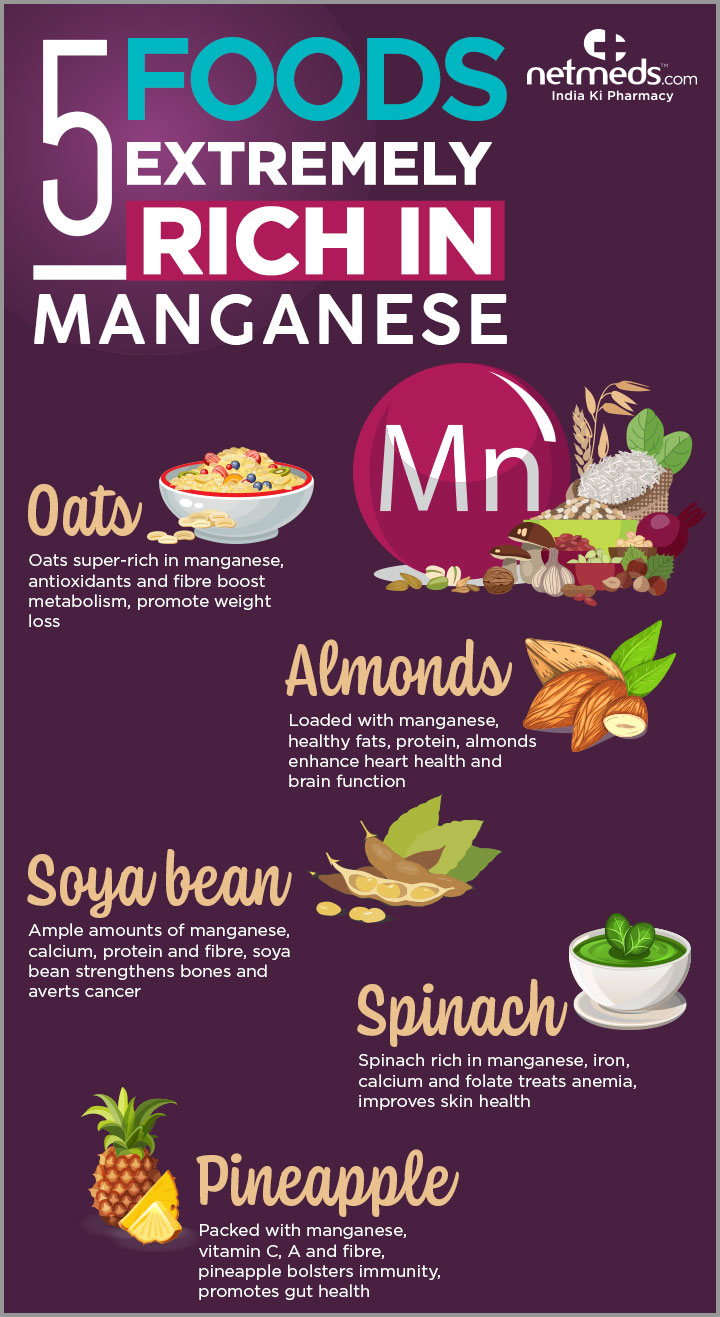
Check this infographic to know more about food sources rich in manganese.
 Previous