Rice is a staple food for millions of people, especially in Asian countries, and it almost constitutes 70% of human calorie consumption. Though some people may bat for wheat, in reality, most people rely on rice as their staple food and its quintessential part of their diet, culture and lives.
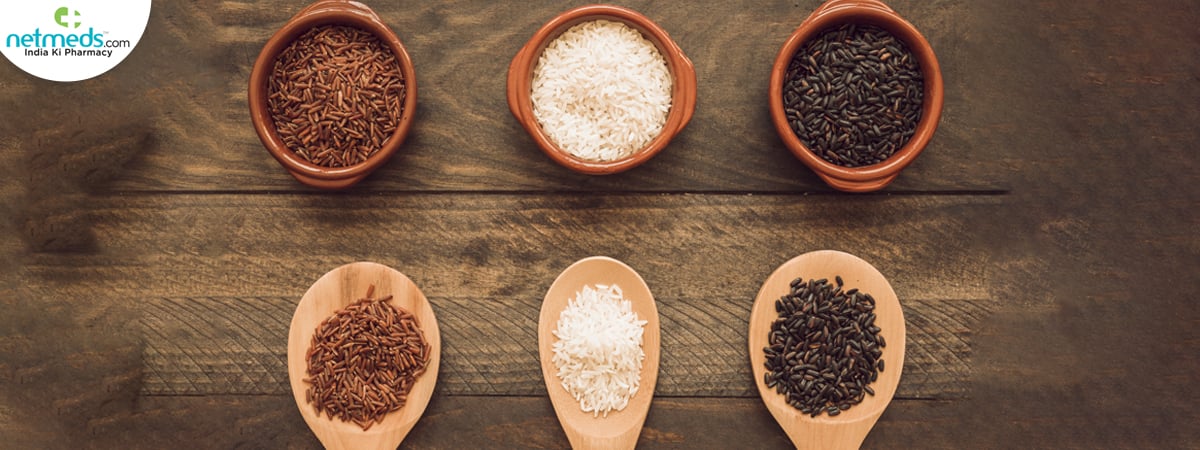
However, people with diabetes are constantly reminded that rice intake is the culprit behind uncontrolled blood sugar levels. Is this true? Can rice be added as a part of a healthy diabetic food list? If so, which vari
ety is a better choice for diabetic patients?
For Better Diabetes Management, shop From Our Extensive Range of Diabetes Care Products
The good news is that several traditional and whole grain rice varieties are available that are much safer and beneficial for diabetic patients.
Explore this blog to discover the 5 best rice varieties for diabetes, their nutrition, health benefits, and uses.
5 Best Rice Varieties
Brown Rice
Brown rice is a wholesome and healthier rice variety for regulating diabetes owing to its high fiber content and lower glycemic index (GI) compared to white rice. This type of rice retains its bran and germ layers, making it an abundant source of dietary fiber. It helps avert rapid spikes in blood glucose levels, improves glycemic control by 20% and provides vital minerals like magnesium that promote insulin sensitivity. Moreover, adding this rice variety promotes weight loss, heart health and improves digestion.
Nutrition (per 100 g cooked)
Calories: ~123 kcal
Carbohydrates: ~25 g
Fiber: ~1.8 g
Protein: ~2.7 g
Abundant in Magnesium and B vitamins
Uses
Substitute brown rice for white rice daily.
Make wholesome brown rice kichadi and vegetable rice.
Rice bowls and salads.
Also Read: Brown Rice Vs White Rice: Which Is Better?
Red Rice (Unpolished)
Red rice unpolished variety is heaped with antioxidants and has a GI of around 55, which is in the low to moderate range, and it retains the bran layer, making fiber dense. The nature of red rice prevents sudden spikes in blood sugar levels and slows down the digestion and absorption of carbohydrates. The potent antioxidant profile combats oxidative stress and eases inflammation, which are beneficial in lowering the risk of diabetic complications like cardiovascular diseases.
Nutrition (per 100 g cooked)
Calories: ~110 kcal
Fiber: ~2–3 g
Iron: High
Antioxidants: Rich in anthocyanins
Uses
South Indian thali rice with sambar or rasam.
Red rice idli and dosa batter or puttu.
Black Rice
Black rice is a forbidden rice variety that comes with an impressive profile of nutrients, and diabetic friendly alternative to white rice. It is loaded with dietary fiber and antioxidants, anthocyanins, which help control blood sugar, promote digestion and prevent rapid insulin spikes. Its low glycemic index of 42-45 and high fiber content make it an ideal choice for managing diabetes and other metabolic disorders.
Nutrition (per 100 g cooked)
Calories: ~120 kcal
Fiber: ~2.5 g
Protein: ~3.5 g
Very High in Antioxidants anthocyanins
Uses
Wholesome and healthy black rice porridge.
Nutritious rice bowls.
Sugar-free desserts.
Basmati Rice (Brown or Unpolished)
Basmati rice (brown or unpolished) varieties are a good choice for diabetes, due to their low glycemic index (GI) of 50-52. This rice type releases sugar slowly, preventing sharp spikes; however, it should be consumed in moderate amounts and paired with fiber and healthy protein, which are vital for controlling blood sugar levels.
Also Read: Basmati Rice: Types, Nutritional Content, Health Benefits, Recipes And Side Effects
Nutrition (per 100 g cooked)
Calories: ~121 kcal
Carbohydrates: ~25 g
Fiber: ~1.5–2 g
Fat: Very low
Uses
Steamed basmati rice with protein and fiber-rich gravies.
Vegetable pulao, biryanis and other mixed rice dishes.
Lemon rice or curd rice.
Parboiled Rice (Boiled Rice / Matta Rice)
Parboiled rice, Kerala matta rice type, is a highly suitable option for better blood sugar control. It has a low to medium glycemic index of about 50-68 and high fiber content that averts a rapid blood sugar surge. Additionally, the process of parboiling enhances nutritional value by retaining essential nutrients, while its high magnesium content promotes overall metabolic health.
Nutrition (per 100 g cooked)
Calories: ~123 kcal
Fiber: ~2 g
Protein: ~2.5 g
Minerals: Zinc & magnesium
Uses
Wholesome meals and traditional dishes.
Rice with vegetable curries or protein-rich gravies.
Healthy rice meals for lunch.
Simple Tips for Diabetic Patients While Eating Rice
While choosing the rice varieties, go for unpolished or whole grain rice.
Control portion size to ½ to 1 cup cooked rice per serving.
Pair rice with fibre-rich vegetables and high-quality protein sources.
Avoid eating rice alone without any accompaniment or vegetable curry.
Cook rice slowly, instead of using a pressure cooker, boil rice in a pan, add more water and discard the starch.
Conclusion
Diabetic patients don’t have to wholly avoid rice. The key is to choose the right variety, controlling portion, and pairing it with wholesome vegetables and a protein source. This can make rice a healthy, safe and nourishing part of a diabetic meal plan.
References:
https://www.researchgate.net/profile/Patel-Supriya/publication/373458450_Development_of_Rice_Varieties_with_Low_Glycemic_Index_Friendly_Rice_to_Diabetic_Patients_Ar
Rice Compounds with Impact on Diabetes Control
Cristiana Pereira 1, Vanda M Lourenço 2, Regina Menezes 3,4,5, Carla Brites 1,6,*
https://pmc.ncbi.nlm.nih.gov/articles/PMC8467539/
 Previous