



Netmeds First Membership
Quick Links
Introduction About STAMLO BETA TABLET
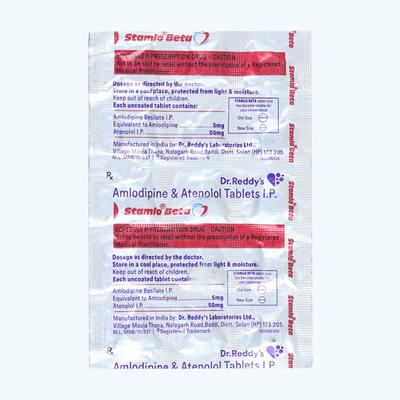
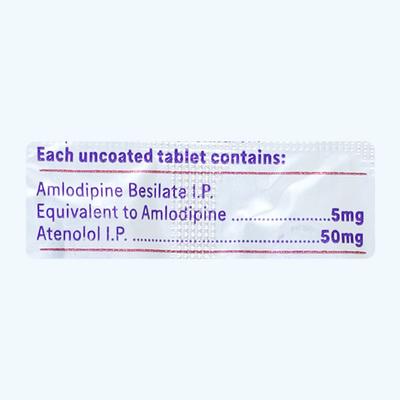
Stamlo Beta Tablet is a prescription combination medicine formulated for patients who need dual support for heart and blood pressure control. It contains amlodipine (a calcium channel blocker) and atenolol (a beta-blocker), which work together to support smooth blood flow and reduce strain on the heart. This combination is commonly recommended when single-ingredient medicines are not sufficient to keep blood pressure or heart workload within the desired range, especially in patients with associated chest discomfort.
Stamlo Beta Tablet is used to manage hypertension and angina by supporting controlled blood pressure levels and improving oxygen balance in the heart muscle. Clinical evidence shows that calcium channel blockers help relax blood vessels, while beta-blockers reduce heart rate and cardiac workload, making this combination useful for patients with high blood pressure accompanied by increased heart rate or stress-related cardiac demand. It is generally considered suitable for adults with cardiovascular risk factors such as long-standing hypertension, stable angina, or a history of heart strain, as advised by a physician.
The tablet is usually taken once daily, at the same time each day, with or without food, as directed by a doctor. It should be swallowed whole with water and not crushed or chewed. Patients are advised to follow the prescribed dose strictly and avoid stopping the medicine suddenly, as this may lead to unwanted heart-related effects. Regular monitoring of blood pressure and heart rate is recommended during use.
Caution is advised in patients with asthma, diabetes, liver or kidney conditions, or slow heart rate. Use during pregnancy and breastfeeding should only be considered if clearly advised by a healthcare professional, as safety data is limited. Commonly reported side effects may include dizziness, fatigue, headache, swelling of ankles, or slow heart rate, which are usually mild and may settle as the body adjusts. Patients should seek medical advice if side effects persist or if symptoms such as severe dizziness or breathing difficulty occur.
Uses Of STAMLO BETA TABLET
- Hypertension (high blood pressure)
- Angina (chest pain)
Benefits of STAMLO BETA TABLET
Stamlo Beta Tablet for Hypertension
Stamlo Beta Tablet is commonly prescribed to support blood pressure control in people diagnosed with hypertension. It contains a combination of amlodipine and atenolol, which work together to help relax blood vessels and reduce the workload on the heart. This dual action supports smoother blood flow and helps maintain stable blood pressure levels throughout the day.
The medicine is usually considered for patients who require more than one mechanism to manage their blood pressure effectively, especially when single-drug therapy is not sufficient. Regular use as advised by a doctor, along with lifestyle measures such as a low-salt diet, physical activity, and stress management, can help support long-term heart health and reduce strain on the cardiovascular system.
Stamlo Beta Tablet for Angina
Stamlo Beta Tablet is commonly prescribed to help manage angina, a condition marked by chest discomfort due to reduced blood flow to the heart muscle. It combines amlodipine and atenolol, which work together to relax blood vessels and slow the heart rate. This combination helps improve oxygen delivery to the heart and reduces the heart’s workload during physical or emotional stress.
Regular use, as advised by a healthcare professional, may help decrease the frequency and severity of angina episodes, allowing better tolerance to daily activities. For best results, it is usually recommended alongside heart-healthy lifestyle practices such as avoiding smoking, maintaining a balanced diet, and following a doctor-guided activity plan.
How STAMLO BETA TABLET Works
Mechanism of Action of Stamlo Beta Tablet
Stamlo Beta Tablet works through the combined action of two medicines, amlodipine and atenolol, each supporting heart and blood vessel function in a different way. Amlodipine is a calcium channel blocker that helps relax and widen blood vessels by reducing the entry of calcium into the smooth muscle cells of the vessel walls. This action supports smoother blood flow and lowers resistance within the blood vessels.
Atenolol is a beta-blocker that acts on the heart by slowing the heart rate and reducing the force of heart contractions. By doing so, it decreases the heart’s demand for oxygen and helps maintain a steady rhythm. Together, these actions reduce strain on the heart, support controlled blood pressure levels, and improve oxygen balance in the heart muscle.
How to use STAMLO BETA TABLET
How to Take Stamlo Beta Tablet
- Take the tablet exactly as prescribed by your doctor, usually once daily.
- Swallow the tablet whole with a glass of water; do not crush or chew it.
- It can be taken with or without food, preferably at the same time each day for consistency.
- Do not skip doses or stop taking the medicine suddenly without medical advice.
- If you miss a dose, take it as soon as you remember unless it is close to the next scheduled dose.
- Avoid adjusting the dose on your own, as this may affect blood pressure or heart rate control.
What if I forgot to take STAMLO BETA TABLET
- Take it as soon as you remember if it is still far from your next scheduled dose.
- Skip the missed dose if it is almost time for your next dose.
- Do not take two tablets at the same time to make up for a missed dose, as this may increase the risk of low blood pressure or slow heart rate.
- Resume your regular dosing schedule the next day as prescribed.
- If you miss doses frequently, your blood pressure control may be affected try setting reminders or alarms to help you remember.
- Consult your doctor if you are unsure what to do or if you miss more than one dose.
Overdose
If you or someone else has accidentally taken more than the prescribed dose of Stamlo Beta Tablet, seek medical help immediately or visit the nearest hospital. An overdose may cause symptoms such as dizziness, light-headedness, fainting, extreme weakness, shock, cool or clammy skin, and shortness of breath.
Side Effects Of STAMLO BETA TABLET
Common Side Effects of Stamlo Beta Tablet
- edema (swelling of the ankles or other body parts)
- headache, dizziness, sleepiness
- palpitations (fast heartbeat)
- flushing (redness and warmth of the skin)
- stomach pain, nausea, diarrhoea, constipation, indigestion
- changes in bowel habit
- tiredness, weakness
- muscle pains
- cold hands and feet
- slow heartbeat
- insomnia (sleeplessness)
- changes in taste
- tingling sensation in limbs, loss of pain sensation
- low blood pressure
- increased sweating
- increased urination at night
- inability to obtain an erection, enlargement of the breasts in men
- joint pain, back pain
- weight gain or decrease in weight
When to Seek Medical Attention?
Stop taking Stamlo Beta Tablet and contact your doctor immediately if you experience any of the following side effects:
- chest pain, shortness of breath (signs of heart attack)
- inflammation of pancreas (causing severe stomach pain that radiates to the back side of the body)
How To Manage Side Effects
Diarrhea
- Stay Hydrated: Drink plenty of water, ORS, clear soups, or coconut water to replace lost fluids and electrolytes. Take small, frequent sips if large amounts feel uncomfortable.
- Eat Light Foods: Choose easily digestible foods such as bananas, plain rice, applesauce, and toast. Avoid heavy or rich meals until bowel movements improve.
- Support Gut Health: Consume curd or yoghurt with live cultures, if suitable, to help maintain digestive balance.
- Avoid Trigger Foods: Stay away from spicy, oily, fried, or sugary foods that may irritate the stomach. Limit caffeine and carbonated drinks.
- Rest and Recovery: Get enough rest to allow your body to recover. Avoid strenuous physical activity until symptoms settle.
- Maintain Hygiene: Wash hands thoroughly after using the toilet and before eating to prevent spread of infection.
- When to Seek Help: Consult a doctor if diarrhoea lasts more than two days, becomes severe, or is accompanied by fever, blood in stools, or signs of dehydration.
Indigestion
- Ginger: Ginger helps calm the stomach and supports digestion. You can drink ginger tea or chew a small piece of fresh ginger after meals. It may help reduce bloating and discomfort.
- Warm Water: Drinking warm water after meals helps food move smoothly through the digestive system. Avoid very cold water, as it can slow digestion. Sip slowly for best results.
- Ajwain (Carom Seeds): Ajwain is commonly used for digestive discomfort. Chew half a teaspoon of ajwain with warm water. It may help reduce gas and heaviness.
- Fennel Seeds (Saunf): Chewing fennel seeds after meals can freshen breath and ease digestion. Fennel supports stomach comfort and reduces bloating. It is safe for regular use.
- Buttermilk: Buttermilk supports gut balance and digestion. Add a pinch of roasted cumin powder for better results. Drink it after meals, especially after heavy food.
- Baking Soda (Occasional Use): Mix a pinch of baking soda in a glass of water for quick relief from acidity. Use only occasionally, as frequent use is not recommended.
- Apple Cider Vinegar (Diluted): Add one teaspoon of apple cider vinegar to warm water and sip before meals. It may help improve digestion for some people. Avoid if it causes irritation.
- Avoid Lying Down Immediately: Stay upright for at least 30 minutes after eating. This helps prevent acid backflow and discomfort. Light walking can be beneficial.
- Eat Smaller Meals: Large meals can overload the stomach. Eating smaller, frequent meals helps digestion and reduces heaviness.

Stomach Pain
- Warmth for Comfort: Apply a warm compress or heating pad to the abdomen to help relax muscles and ease discomfort.
- Gentle Fluids: Sip warm water, herbal teas, or clear soups to support digestion and prevent dehydration. Avoid very cold or carbonated drinks.
- Light and Simple Foods: Eat bland foods such as rice, toast, bananas, or boiled potatoes until the pain settles. Avoid spicy, oily, or heavy meals that may irritate the stomach.
- Ginger or Herbal Options: Ginger tea or a small piece of fresh ginger may help soothe the stomach. Herbal teas like chamomile or peppermint can also provide relief.
- Rest and Posture: Rest in a comfortable position and avoid lying flat immediately after meals. Gentle movement or slow walking may help if the pain is due to gas.
- Avoid Triggers: Limit caffeine, alcohol, and smoking, as these can worsen stomach discomfort.
- When to Seek Medical Advice: Consult a doctor if stomach pain is severe, persistent, or associated with vomiting, fever, blood in stools, or unexplained weight loss.
Warning & Precautions

Pregnancy
Consult your doctorStamlo Beta Tablet should be used in pregnant women only if it is considered necessary by the physician. Therefore, consult your doctor before taking it.

Breastfeeding
Use with CautionStamlo Beta Tablet should be used with caution in breastfeeding women as it may pass through the breast milk to the nursing infant. Therefore, consult your doctor before taking it.

Driving and Using Machines
Use with CautionDo not drive or operate any heavy tools or machines if you feel dizzy after taking Stamlo Beta Tablet.

Alcohol
Consult your doctorAvoid consumption of alcohol while taking Stamlo Beta Tablet as it could make you feel dizzier.

Kidney
Use with CautionStamlo Beta Tablet should be used with caution in patients with kidney problems (such as dialysis). Therefore, consult your doctor before taking it.

Liver
Use with CautionStamlo Beta Tablet should be used with caution in patients with liver problems. Therefore, consult your doctor before taking it.

Allergy
ContraindicatedDo not take Stamlo Beta Tablet if you are allergic to Atenolol, Amlodipine or to any other beta blockers (such as propranolol) or calcium antagonists (such as nifedipine, diltiazem).

Lungs
Use with CautionStamlo Beta Tablet should be used with caution in patients who have or previously had any breathing problems such as asthma. Therefore, consult your doctor before taking it.

Heart Disease
Consult your doctorStamlo Beta Tablet is not recommended for use in patients with severe heart problems such as heart failure, aortic stenosis (narrowing of arteries) or cardiogenic shock (inability of heart to pump blood). It should be used with caution in patients having a history of recent heart attack or heart failure. Therefore, consult your doctor before taking it.

Use In Pediatrics
ContraindicatedStamlo Beta Tablet is not recommended for use in children and adolescents (aged below 18 years) due to lack of safety data. Therefore, consult your doctor for advice.

Use In Geriatrics
Use with CautionStamlo Beta Tablet should be used with caution in the elderly patients. Therefore, consult your doctor before taking it.
Other Warnings for STAMLO BETA TABLET
Before taking Stamlo Beta Tablet, inform your doctor if you:
- have severe uncontrollable increase in blood pressure (hypertensive crisis)
- have diabetes
- have low blood volume (loss of fluids from the body due to vomiting or diarrhoea)
- have thyrotoxicosis (increased activity of the thyroid gland)
- have psoriasis (an autoimmune skin condition causing white patches)
- any scheduled for any operations or procedures
Who should not take STAMLO BETA TABLET
Stamlo Beta Tablet is not recommended for use if you:
- have severe low blood pressure (hypotension)
- have a very poor blood circulation
- have unmanaged phaeochromocytoma (a tumour present in the adrenal gland)
- have metabolic acidosis (high acid levels in the blood)
Safety Advice
- Take as prescribed: Take Stamlo Beta Tablet exactly as advised by your doctor. Do not stop or change the dose suddenly, as this may affect blood pressure and heart rhythm.
- Timing of dose: Take it at the same time every day for consistent effect. It can be taken with or without food.
- Risk of dizziness: The medicine may cause dizziness or light-headedness, especially when standing up quickly. Get up slowly from sitting or lying positions.
- Swelling of feet or ankles: Mild swelling may occur. Inform your doctor if swelling is persistent or worsening.
- Heart rate monitoring: This medicine can slow the heart rate. Report symptoms like extreme tiredness, fainting, or very slow pulse to your doctor.
- Diabetes caution: In people with diabetes, it may mask symptoms of low blood sugar such as fast heartbeat. Regular blood sugar monitoring is advised.
- Breathing disorders: Use with caution if you have asthma or other breathing problems, as beta-blockers may worsen breathing symptoms.
Diet and Lifestyle Advice
- Limit salt intake: Reduce consumption of salty foods such as pickles, papads, processed snacks, and packaged meals to support better blood pressure control.
- Choose heart-friendly foods: Include fruits, vegetables, whole grains, pulses, and lean proteins like fish or low-fat dairy in daily meals.
- Manage fat intake: Avoid excess fried foods, bakery items, and foods high in saturated or trans fats.
- Potassium-rich foods (if advised): Foods like banana, spinach, tomato, and coconut water may help balance sodium levels. Always follow your doctor’s advice, especially if you have kidney issues.
- Limit caffeine: Excess tea, coffee, or energy drinks may affect heart rate and blood pressure in some individuals.
- Be physically active: Engage in light to moderate activities such as walking, yoga, or stretching for at least 30 minutes most days, as advised by your doctor.
- Maintain a healthy weight: Gradual weight management supports heart health and overall well-being.
- Quit smoking: Smoking affects blood vessels and heart health. Stopping smoking improves overall cardiovascular support.
- Manage stress: Practice relaxation techniques such as deep breathing, meditation, or mindfulness to help reduce stress-related blood pressure fluctuations.
- Adequate rest and sleep: Aim for 7–8 hours of quality sleep daily. Poor sleep may affect blood pressure control.
- Avoid sudden posture changes: Stand up slowly from sitting or lying positions to reduce the risk of dizziness.
- Regular monitoring: Check blood pressure and pulse regularly and keep follow-up appointments with your doctor.
1. Stamlo Beta Tablet vs Amlodac-AT Tablet -blood pressure and heart rate control
|
Comparison Point |
Stamlo Beta Tablet |
Amlodac-AT Tablet |
|
Active ingredients |
Amlodipine + Atenolol |
Amlodipine + Atenolol |
|
Primary purpose |
Supports blood pressure control along with heart rate regulation |
Supports blood pressure control along with heart rate regulation |
|
Heart rate control |
Helps reduce heart rate by limiting beta-receptor activity on the heart |
Provides similar heart rate–lowering support due to atenolol |
|
Blood vessel relaxation |
Amlodipine supports widening of blood vessels, aiding smoother blood flow |
Amlodipine provides comparable vessel relaxation support |
|
Suitable patient profile |
Patients needing combined support for high blood pressure with increased heart workload or stress-related symptoms |
Patients with similar requirements for blood pressure and heart rate balance |
|
Formulation difference |
Brand-specific formulation and excipients |
Brand-specific formulation and excipients |
|
Clinical suitability |
Selection depends on doctor’s advice, patient response, and tolerance |
Selection depends on doctor’s advice, patient response, and tolerance |
|
Interchangeability |
May be considered interchangeable under medical supervision |
May be considered interchangeable under medical supervision |
Drug - Drug interaction
1. Other Blood Pressure–Lowering Medicines
Examples: ACE inhibitors, ARBs, diuretics, other beta-blockers
Interaction: Combined use may cause an excessive drop in blood pressure or slow heart rate.
Management: Regular monitoring of blood pressure and pulse; dose adjustments may be required.
2. Calcium Channel Blockers (Non-Dihydropyridine)
Examples: Verapamil, diltiazem
Interaction: May increase the risk of very slow heart rate, heart block, or low blood pressure.
Management: Avoid combination unless clearly advised; close heart rate and ECG monitoring if used together.
3. Anti-arrhythmic Medicines
Examples: Amiodarone, digoxin
Interaction: Can enhance heart-rate–lowering effects and affect heart rhythm.
Management: Careful monitoring of heart rate and rhythm; dosage review may be needed.
4. Medicines for Diabetes
Examples: Insulin, metformin, sulfonylureas
Interaction: Atenolol may mask symptoms of low blood sugar (such as fast heartbeat).
Management: Monitor blood glucose regularly and watch for other signs like sweating or dizziness.
5. Non-Steroidal Anti-Inflammatory Drugs (NSAIDs)
Examples: Ibuprofen, diclofenac
Interaction: Long-term use may reduce the blood pressure–lowering effect.
Management: Use NSAIDs cautiously and for short durations; monitor blood pressure.
6. Medicines for Asthma or Breathing Conditions
Examples: Salbutamol, theophylline
Interaction: Beta-blockers may reduce the effect of bronchodilators and worsen breathing symptoms.
Management: Inform your doctor if you have asthma or COPD; alternative medicines may be considered.
7. Antidepressants and Antipsychotics
Examples: Tricyclic antidepressants, SSRIs, antipsychotics
Interaction: May increase dizziness or enhance blood pressure–lowering effects.
Management: Start with lower doses where appropriate and monitor for dizziness or low BP.
Drug - Food interaction
1. Grapefruit and Grapefruit Juice
Interaction: Grapefruit may increase amlodipine levels in the body, which can enhance side effects such as dizziness or swelling of feet and ankles.
Management: Avoid grapefruit and grapefruit juice during treatment.
2. High-Salt Foods
Interaction: Excess salt may reduce the effectiveness of blood pressure control.
Management: Limit salty and processed foods; prefer a low-salt, balanced diet.
3. Caffeine-Containing Foods and Drinks
Examples: Coffee, tea, energy drinks, cola
Interaction: High caffeine intake may counteract blood pressure control or increase heart-related symptoms in some individuals.
Management: Consume caffeine in moderation and observe how your body responds.
4. Potassium-Rich Foods
Examples: Banana, coconut water, spinach, tomatoes
Interaction: Usually safe, but excessive intake may require caution in people with kidney problems
Management: Consume potassium-rich foods in moderation. Follow your doctor’s dietary advice, especially if you have kidney problems, and monitor potassium levels if recommended.
Synopsis
|
Drug |
: |
|
|
Pharmacological Category |
: |
Calcium Channel Blocker, Beta blockers |
|
Therapeutic Indication |
: |
|
|
Dosage Forms |
: |
Tablet, Capsule, Tabcap, Captab |
More Information
Storage
- Store at room temperature, away from excess heat and moisture.
- Keep out of reach of children and pets.
FAQs About STAMLO BETA TABLET
Q: What are the uses of Stamlo Beta Tablet?
A: Stamlo Beta Tablet is used to help control high blood pressure and angina (chest pain caused by reduced oxygen supply to the heart). By lowering blood pressure and supporting better blood flow to the heart, it also helps reduce strain on the heart, especially in people with a previous history of heart attack.
Q: What type of medicine is Stamlo Beta Tablet?
A: Stamlo Beta Tablet is an antihypertensive medicine. Atenolol works by reducing the effect of adrenaline, which slows the heart rate and decreases the force of heart pumping. Amlodipine relaxes and widens blood vessels, improving blood flow and oxygen supply to the heart. Together, they help ease the workload on the heart.
Q: How should I take Stamlo Beta Tablet?
A: Take Stamlo Beta Tablet exactly as prescribed by your doctor. Swallow the tablet whole with a glass of water. Do not crush or chew it. It can be taken with or without food. The dose and duration depend on your age, body weight, and medical condition. Continue taking it for the full duration advised by your doctor.
Q: What should I do if I miss a dose of Stamlo Beta Tablet?
A: If you forget a dose, take it as soon as you remember. If it is nearly time for your next dose, skip the missed one and continue with your regular schedule. Do not take two doses together.
Q: What precautions should I take while using Stamlo Beta Tablet?
A: Inform your doctor if you have liver or kidney problems, very high or very low blood pressure, or any heart conditions such as narrowed arteries or recent heart attack. Consult your doctor before use if you are pregnant or breastfeeding. Follow up regularly and complete all recommended medical tests.
Q: What happens in case of an overdose of Stamlo Beta Tablet?
A: If more than the prescribed dose is taken accidentally, seek medical help immediately. Symptoms may include dizziness, fainting, weakness, light-headedness, shock, cool or clammy skin, and breathing difficulty.
Q: Can Stamlo Beta Tablet cause ankle swelling?
A: Some people may notice swelling of the ankles or feet. Elevating your legs may help. If swelling persists or becomes uncomfortable, consult your doctor.
Q: What are the possible side effects of Stamlo Beta Tablet?
A: Common side effects include ankle swelling, headache, dizziness, sleepiness, tiredness, fast or slow heartbeat, indigestion, constipation, muscle cramps, and cold hands or feet. Contact your doctor if any side effect becomes troublesome.
Q: Can I stop taking Stamlo Beta Tablet suddenly?
A: No. Do not stop this medicine without consulting your doctor. High blood pressure usually requires long-term management, and stopping suddenly may cause blood pressure to rise again.
Q: Can I take other medicines along with Stamlo Beta Tablet?
A: Inform your doctor about all medicines you are taking, including over-the-counter drugs and herbal products, as interactions may occur.
Q: Can Stamlo Beta Tablet affect the liver?
A: Yes, it should be used cautiously in people with liver problems. Medical advice is recommended before starting treatment.
Q: Can Stamlo Beta Tablet cause erectile problems?
A: In some individuals, it may cause erection-related issues. Speak to your doctor if this becomes concerning.
Q: Is Stamlo Beta Tablet safe for people with heart conditions?
A: It is not recommended in severe heart conditions such as cardiogenic shock, severe heart failure, or aortic stenosis. It should be used cautiously in patients with a recent heart attack or heart failure, only under medical supervision.
References
1. KD. Tripathi. Antiadrenergic agents and drugs for glaucoma. Antianginal and Other Anti-ischaemic Drugs, Antihypertensive Drugs. Essentials of medical pharmacology. Seventh edition. 2013. Page – 149, 549 & 562-563.
2. Gerald G. Briggs and Roger K. Freeman. A reference guide to fetal and neonatal risk: Drugs in Pregnancy and Lactation. Tenth Edition. 2015. Page – 196-198 and 306-316.
3. Gang Ling, Ai-jun Liu, Fu-ming Shen, Guo-jun Cai, Jian-guo Liu & Ding-feng Su. Effects of combination therapy with atenolol and amlodipine on blood pressure control and stroke prevention in stroke-prone spontaneously hypertensive rats. Acta Pharmacologica Sinica. November 2007. [Accessed on 17th January 2026] 
4. Kishen G. Bulsara; Manouchkathe Cassagnol. Amlodipine. StatPearls. NIH. National Library of Medicine, National Center for biotechnology information. PMC. PubMed Central. January 2022. [Accessed on 17th January 2026] 
5. Central Drugs Standard Control Organization. Amlodipine besylate eq. to Amlodipine 5mg+ Atenolol 50mg Besylate uncoated tablets. May 1996. [Accessed on 17th January 2026]
6. Leeford Healthcare Pvt Ltd. Wellamo AT. [Accessed on 17th January 2026]
Useful Diagnostic Tests
Author Details