


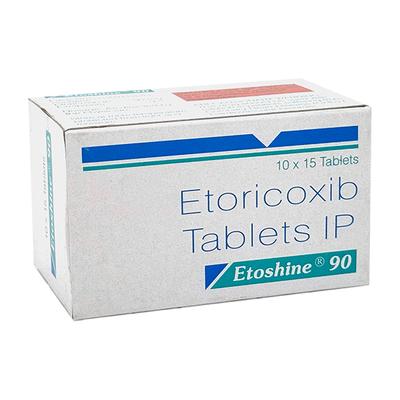


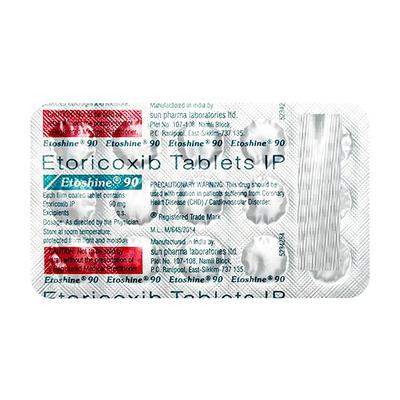
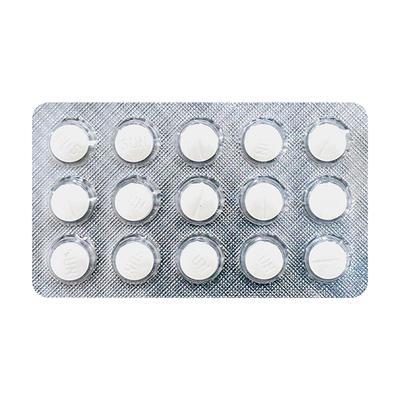
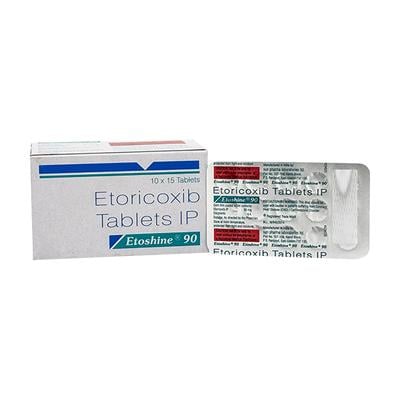


Netmeds First Membership
Quick Links
Introduction About ETOSHINE 90MG TABLET
Etoshine 90mg Tablet helps provide effective relief from pain and inflammation. It contains Etoricoxib 90 mg, a selective COX-2 inhibitor (NSAID) that reduces the production of prostaglandins responsible for pain and swelling while offering a lower risk of stomach irritation than traditional non-selective NSAIDs. It is commonly prescribed for adults and adolescents aged 16 years and above with osteoarthritis, rheumatoid arthritis, ankylosing spondylitis, and acute gout, and may also be used for short-term pain relief after dental surgery. To minimize cardiovascular risks, it should be used at the lowest effective dose for the shortest possible duration as advised by a healthcare professional.
Etoshine 90mg Tablet is best suited for patients who require targeted anti-inflammatory pain relief and have been assessed by a doctor for suitability. The tablet can be taken once daily, with or without food, although taking it without food may provide faster pain relief. Swallow it whole with water and take it at the same time each day. Do not exceed the prescribed dose or continue treatment longer than recommended. Patients with uncontrolled high blood pressure, severe heart disease, previous heart attack or stroke, active stomach ulcers or gastrointestinal bleeding, severe liver or kidney impairment, inflammatory bowel disease, or known allergy to NSAIDs should avoid this medicine unless specifically advised by a healthcare provider. Regular monitoring may be recommended in older adults and in patients with hypertension, diabetes, smoking history, or other cardiovascular risk factors.
Before using Etoshine 90mg Tablet, inform your doctor about all existing medical conditions and medicines, including blood thinners, diuretics, ACE inhibitors, ARBs, lithium, methotrexate, or other NSAIDs, as interactions may increase the risk of adverse effects. The medicine may increase the risk of serious cardiovascular events such as heart attack or stroke, particularly with prolonged use or higher doses, and can occasionally cause stomach ulcers or bleeding despite its COX-2 selectivity. It may also affect kidney function or fluid balance, so adequate hydration and periodic monitoring may be necessary in susceptible patients. If you experience chest pain, shortness of breath, black stools, vomiting blood, severe allergic reactions, or sudden swelling, discontinue the medicine and seek immediate medical attention.
Etoshine 90mg Tablet should not be used during pregnancy, especially during the third trimester, as it may harm the unborn baby and interfere with normal labour. Its use during the first and second trimesters should only be considered if clearly necessary and under medical supervision. Breastfeeding is not recommended while taking etoricoxib because it is unknown whether it passes into human breast milk. Common side effects include headache, dizziness, stomach pain, indigestion, nausea, swelling of the feet or ankles (oedema), increased blood pressure, and palpitations. Most side effects are mild and temporary, but persistent or severe symptoms should be reported to a healthcare professional promptly.
Uses Of ETOSHINE 90MG TABLET
- Relieves pain and inflammation associated with osteoarthritis.
- Helps manage symptoms of rheumatoid arthritis, including joint pain, stiffness, and swelling.
- Reduces pain and improves mobility in ankylosing spondylitis.
- Provides effective relief during acute gout attacks.
- May be prescribed for the short-term management of moderate pain following dental surgery
Benefits of ETOSHINE 90MG TABLET
Relieves Pain, Swelling, and Joint Stiffness in Arthritis
Etoshine 90mg Tablet helps relieve pain, swelling, and stiffness caused by osteoarthritis, rheumatoid arthritis, and other inflammatory joint conditions. By selectively blocking the COX-2 enzyme, it reduces inflammation and improves joint comfort, making everyday activities easier to perform.
Reduces Inflammation and Improves Joint Mobility
The active ingredient, etoricoxib, effectively reduces inflammation in the joints and spine, helping improve flexibility and mobility. It is particularly beneficial for patients with chronic inflammatory conditions such as ankylosing spondylitis, allowing them to move more comfortably with reduced stiffness.
Provides Fast Relief from Acute Gout and Dental Pain
Etoshine 90mg Tablet provides rapid relief from severe pain and inflammation during acute gout attacks and is also effective for the short-term management of pain following dental procedures. Its once-daily dosing offers convenient and long-lasting pain control when used as prescribed by a healthcare professional.
How ETOSHINE 90MG TABLET Works
Selectively Inhibits the Cyclooxygenase-2 (COX-2) Enzyme
Etosine 90mg Tablet contains etoricoxib, a selective cyclooxygenase-2 (COX-2) inhibitor that specifically targets the COX-2 enzyme responsible for producing inflammatory mediators. By selectively inhibiting COX-2, it helps reduce inflammation while having less effect on the protective COX-1 enzyme.
Reduces the Production of Pain- and Inflammation-Causing Prostaglandins
By blocking the COX-2 enzyme, etoricoxib decreases the production of prostaglandins, chemical messengers that trigger pain, swelling, and inflammation. This action helps relieve symptoms associated with arthritis, acute gout, and other painful inflammatory conditions.
Relieves Pain, Inflammation, and Joint Stiffness While Preserving COX-1 Activity
Unlike traditional non-selective NSAIDs, etoricoxib primarily inhibits COX-2 while largely preserving COX-1 activity, which plays a role in protecting the stomach lining. This selective action provides effective pain relief and improved joint mobility with a comparatively lower risk of gastrointestinal irritation, although caution is still required during prolonged use.
How to use ETOSHINE 90MG TABLET
How to Take Etoshine 90mg Tablet
- Swallow the tablet whole with a glass of water.
- Do not crush, chew, or break the tablet.
- It can be taken with or without food. For faster pain relief, it may be taken on an empty stomach if advised by your doctor
Recommended Dosage of Etoshine 90mg Tablet
- The dosage depends on the condition being treated and your response to therapy.
- Adults are commonly prescribed 30 mg to 120 mg once daily, with 90 mg once daily being used for specific conditions as determined by the doctor
Best Time to Take Etoshine 90mg Tablet
- Take the tablet at the same time every day to maintain consistent therapeutic effects
- It may be taken in the morning or evening, as recommended by your healthcare provider.
Dosage Adjustments for Specific Conditions
- Dose adjustment may be required in patients with mild to moderate liver impairment.
- Etoshine 90mg Tablet is generally not recommended for patients with severe liver disease or severe kidney impairment unless advised by a healthcare professional.
What if I forgot to take ETOSHINE 90MG TABLET
- Take the missed dose as soon as you remember.
- If it is almost time for your next scheduled dose, skip the missed dose and continue with your regular dosing schedule.
- Do not take a double dose to make up for a missed dose, as this may increase the risk of side effects.
- If you frequently forget to take your medicine, consider setting a reminder or consult your healthcare provider for advice.
Overdose
Taking more than the prescribed dose of Etoshine 90mg Tablet may increase the risk of adverse effects such as severe stomach pain, nausea, vomiting, dizziness, drowsiness, increased blood pressure, kidney impairment, or gastrointestinal bleeding. In case of a suspected overdose, seek immediate medical attention or contact the nearest emergency medical facility. Treatment is mainly supportive and symptomatic, as there is no specific antidote for etoricoxib. Do not attempt to manage an overdose at home or take additional doses until advised by a healthcare professional.
Side Effects Of ETOSHINE 90MG TABLET
Common side effects of Etoshine 90mg Tablet
- stomach pain
- constipation, flatulence, heartburn, indigestion, diarrhea
- mouth ulcer
- feeling weak or tired
- infections of the respiratory or urinary tract
- tingling and numbness in the body
- changes in bowel habits, dry mouth, stomach ulcers
Stop taking Etoshine 90mg Tablet and contact your doctor immediately if you experience any of the following side effects
- chest pain, shortness of breath, swollen ankles
- severe stomach pain with dark stools
- jaundice (yellow colouration of the skin and the eyes)
- signs of an allergic reaction (such as skin rash, itching, blistering, and peeling of the skin, swelling of the face, lips, mouth, and throat, which may lead to breathing difficulties)
How To Manage Side Effects
Constipation
- Increase your intake of water and other healthy fluids throughout the day.
- Include fiber-rich foods such as fruits, vegetables, whole grains, and legumes in your diet.
- Stay physically active with gentle walking or stretching to help stimulate bowel movement.
- Consult your doctor if constipation becomes troublesome, painful, or lasts for several days.
Diarrhea
- Drink plenty of fluids such as water or oral rehydration solutions to prevent dehydration.
- Eat light, bland foods such as rice, bananas, toast, or curd until symptoms improve.
- Avoid oily, spicy, and heavy meals that may worsen loose stools.
- Contact your doctor if diarrhea is severe, lasts more than a day or two, or is associated with weakness or dizziness.

Dry Mouth
- Sip water frequently and keep a bottle of water nearby to stay hydrated.
- Chew sugar-free gum or suck on sugar-free lozenges to stimulate saliva production.
- Avoid excessive caffeine, alcohol, and tobacco, as they can worsen dryness.
- Inform your doctor if dry mouth is persistent, severe, or causing difficulty in speaking, swallowing, or eating.
Stomach Pain
- Take Etoshine 90mg Tablet exactly as prescribed and avoid taking more than the recommended dose.
- If stomach discomfort occurs, taking the tablet with food may help reduce irritation.
- Avoid alcohol, spicy foods, and other medicines that may irritate the stomach unless advised by your doctor.
- Seek medical advice if the stomach pain is severe, persistent, or accompanied by vomiting, black stools, or blood in vomit.
Warning & Precautions

Pregnancy
ContraindicatedEtoshine 90mg Tablet should not be used during pregnancy. Therefore, inform your doctor before taking the medicine if you are pregnant, think you may be pregnant, or are planning to have a baby.

Breastfeeding
Consult your doctorIt is not known whether Etoshine 90mg Tablet can pass through breast milk or not. Therefore, consult your doctor before taking the medicine if you are breastfeeding or planning to breastfeed.

Driving and Using Machines
Use with CautionDo not drive or operate any heavy tools or machines if you feel dizzy or sleepy after taking the medicine.

Alcohol
ContraindicatedAvoid consumption of alcohol while taking Etoshine 90mg Tablet, as it may increase the risk of stomach discomfort.

Kidney
ContraindicatedEtoshine 90mg Tablet is not recommended for use in patients with serious kidney diseases.

Liver
ContraindicatedEtoshine 90mg Tablet is not recommended for use in patients with serious liver diseases.

Allergy
ContraindicatedDo not take Etoshine 90mg Tablet if you are allergic to Etoricoxib or any ingredients of this medicine.

Heart Disease
ContraindicatedEtoshine 90mg Tablet is not recommended for use in patients who have or had heart failure, angina, heart attack, bypass surgery, blocked blood vessels, or poor blood circulation in the body.

Use In Pediatrics
Consult your doctorEtoshine 90mg Tablet should be used in adolescents aged 16 years or above only if prescribed by the physician. It should not be used in children and adolescents (aged below 16 years).

Use In Geriatrics
Use with CautionEtoshine 90mg Tablet should be used with caution in elderly patients (aged above 65 years).
Other Warnings for ETOSHINE 90MG TABLET
Before taking Etoshine 90mg Tablet, inform your doctor if you
- have a previous history of stomach ulcers
- are dehydrated due to prolonged vomiting or diarrhea
- have a history of high blood pressure
- have edema (swelling of body parts)
- are being managed for an infection
- have diabetes
- have high cholesterol
- are a smoker
Who should not take ETOSHINE 90MG TABLET
Etoshine 90mg Tablet is not recommended for use if you
- currently have ulcers or bleeding in stomach or intestines
- have inflammatory bowel diseases (crohn’s disease or ulcerative colitis)
- have uncontrollably high blood pressure
- had stroke (including mini-stroke, transient ischemic attack)
Safety Advice
- Stay Well Hydrated: Drink adequate fluids during treatment, especially if you have vomiting, diarrhea, or excessive sweating, to help maintain normal kidney function.
- Use the Lowest Effective Dose: Always use the lowest effective dose for the shortest duration needed to control your symptoms and reduce the risk of adverse effects.
- Monitor Blood Pressure Regularly: If you have hypertension or are at risk of cardiovascular disease, check your blood pressure periodically during treatment.
- Inform Your Doctor Before Surgery: Tell your doctor or dentist that you are taking Etoshine 90mg Tablet before undergoing any surgical or dental procedure.
- Do Not Share Your Medication: This medicine is prescribed based on individual medical needs and should not be shared with others, even if they have similar symptoms.
- Store Properly: Keep the tablets in their original packaging at room temperature, away from moisture, heat, and direct sunlight. Keep out of the reach of children.
- Check the Expiry Date: Do not use the medicine after the expiry date mentioned on the packaging. Dispose of expired or unused tablets safely.
- Attend Regular Follow-Up Visits: If you are taking Etoshine 90mg Tablet for an extended period, attend regular medical check-ups to monitor your overall health and treatment response.
Diet and Lifestyle Advice
- Maintain a Healthy Body Weight: Achieving and maintaining a healthy weight helps reduce stress on weight-bearing joints and may improve mobility.
- Follow an Anti-Inflammatory Diet: Include plenty of fruits, vegetables, whole grains, nuts, seeds, and omega-3-rich foods such as fatty fish to help support joint health.
- Stay Physically Active: Engage in low-impact exercises such as walking, swimming, cycling, or stretching to improve joint flexibility, muscle strength, and overall function.
- Avoid High-Purine Foods if You Have Gout: Limit organ meats, red meat, shellfish, and alcohol, particularly beer, as these may trigger gout attacks.
- Drink Plenty of Water: Staying well hydrated supports kidney function and may help reduce the risk of gout flare-ups.
- Limit Processed Foods: Reduce the intake of processed foods, sugary beverages, and foods high in saturated or trans fats, which may contribute to inflammation.
- Quit Smoking: Smoking can worsen inflammation, delay healing, and increase the risk of cardiovascular complications associated with chronic inflammatory diseases.
- Get Adequate Rest: Ensure sufficient sleep and allow painful joints to rest during flare-ups while maintaining regular physical activity as tolerated.
1. Etoshine 90mg Tablet vs Diclofenac Which is Better for Arthritis Pain?
|
Feature |
Etoshine 90mg Tablet (Etoricoxib) |
Diclofenac |
|
Drug Class |
Selective COX-2 inhibitor (NSAID) |
Non-selective NSAID |
|
Primary Use |
Osteoarthritis, rheumatoid arthritis, ankylosing spondylitis, acute gout |
Arthritis, musculoskeletal pain, postoperative pain |
|
Dosing Frequency |
Usually once daily |
Usually 2–3 times daily (depending on formulation) |
|
Stomach Safety |
Lower risk of stomach irritation and ulcers compared with traditional NSAIDs |
Higher risk of gastrointestinal irritation and ulcers |
|
Cardiovascular Risk |
May have a higher cardiovascular risk with prolonged or high-dose use |
Also associated with cardiovascular risk, particularly with long-term use |
|
Best Suited For |
Patients needing long-lasting pain relief with lower gastrointestinal risk |
Patients requiring short-term relief from inflammatory pain when appropriate |
|
Doctor's Advice |
Selection depends on individual cardiovascular and gastrointestinal risk factors. |
2. Etoshine 90mg Tablet vs Ibuprofen What Are the Differences in Safety and Effectiveness?
|
Feature |
Etoshine 90mg Tablet (Etoricoxib) |
Ibuprofen |
|
Drug Class |
Selective COX-2 inhibitor (NSAID) |
Non-selective NSAID |
|
Primary Use |
Arthritis, acute gout, dental pain |
Fever, headache, arthritis, muscle pain, menstrual pain |
|
Dosing Frequency |
Usually once daily |
Usually every 6–8 hours as needed |
|
Pain Relief Duration |
Longer-lasting pain relief |
Shorter duration of action |
|
Stomach Safety |
Lower risk of gastrointestinal side effects |
Higher risk of stomach irritation and ulcers, especially with prolonged use |
|
Cardiovascular Risk |
May increase cardiovascular risk with long-term or high-dose use |
Lower cardiovascular risk at occasional low doses, but risk increases with prolonged high-dose use |
|
Best Suited For |
Chronic inflammatory joint conditions requiring sustained pain relief |
Mild to moderate acute pain and fever requiring short-term treatment |
|
Doctor's Advice |
The choice depends on the patient's medical history, treatment duration, and overall risk profile. |
Drug - Drug interaction
1. Warfarin and Other Anticoagulants
- Interaction: Etoshine 90mg Tablet may increase the risk of bleeding and elevate INR when used with warfarin or other anticoagulants.
- Management: Monitor INR and watch for signs of bleeding. Dose adjustment of the anticoagulant may be required.
2. Aspirin and Other NSAIDs
- Interaction: Concomitant use increases the risk of gastrointestinal ulcers, bleeding, and other NSAID-related adverse effects.
- Management: Avoid using multiple NSAIDs together. If low-dose aspirin is necessary for cardiovascular protection, monitor for gastrointestinal complications and consider gastroprotective therapy.
3. ACE Inhibitors, ARBs, and Diuretics
- Interaction: Etoricoxib may reduce the antihypertensive effect of these medicines and increase the risk of kidney impairment, particularly in dehydrated or elderly patients.
- Management: Maintain adequate hydration and monitor blood pressure and renal function during treatment.
4. Lithium
- Interaction: Etoshine 90mg Tablet may increase blood lithium levels, leading to lithium toxicity.
- Management: Monitor serum lithium concentrations regularly and adjust the lithium dose if required.
5. Methotrexate
- Interaction: Etoricoxib may increase methotrexate levels, raising the risk of toxicity.
- Management: Monitor for signs of methotrexate toxicity and renal function, especially with high-dose methotrexate therapy.
6. Cyclosporine and Tacrolimus
- Interaction: Concurrent use may increase the risk of kidney damage due to additive nephrotoxic effects.
- Management: Use with caution and monitor renal function periodically.
7. Rifampicin
- Interaction: Rifampicin may reduce the blood levels of etoricoxib, decreasing its effectiveness.
- Management: Monitor the patient's clinical response and consult the prescribing physician if pain relief is inadequate.
8. Oral Contraceptives and Hormone Replacement Therapy
- Interaction: Etoricoxib may increase estrogen exposure, potentially increasing the risk of thromboembolic events.
- Management: Use cautiously in patients with cardiovascular risk factors and monitor for signs of thrombosis.
Drug - Food interaction
1. Alcohol
- Interaction: Alcohol may increase the risk of stomach irritation, gastrointestinal bleeding, dizziness, and drowsiness when consumed with etoricoxib.
- Management: Limit or avoid alcohol consumption during treatment, particularly in patients with a history of gastrointestinal disorders or those receiving prolonged therapy.
Synopsis
|
Drug |
: |
Etoricoxib |
|
Pharmacological Category |
: |
Selective COX-2 Inhibitor |
|
Therapeutic Indication |
: |
Pain relief |
|
Dosage Forms |
: |
Tablet, Capsule, Injection |
More Information
Storage
- Store Etoshine 90mg Tablet at room temperature
- Keep out of reach of children
FAQs About ETOSHINE 90MG TABLET
Q1: What is Etoshine 90mg Tablet used for?
A: Etoshine 90mg Tablet is used to relieve pain and inflammation associated with osteoarthritis, rheumatoid arthritis, ankylosing spondylitis, and acute gout. It may also be prescribed for short-term pain relief after dental surgery.
Q2: How does Etoshine 90mg Tablet work?
A: It contains etoricoxib, a selective COX-2 inhibitor that blocks the production of prostaglandins responsible for pain and inflammation. This helps reduce pain, swelling, and joint stiffness.
Q3: How should I take Etoshine 90mg Tablet?
A: Take the tablet exactly as prescribed by your doctor, preferably at the same time each day. It can be taken with or without food and should be swallowed whole with water.
Q4: Can I take on Etoshine 90mg Tablet an empty stomach?
A: Yes. It may be taken on an empty stomach for faster pain relief. However, if it causes stomach discomfort, taking it with food may help.
Q5: Can I take Etoshine 90mg Tablet every day?
A: Take it only for the duration and dose recommended by your doctor. Long-term or high-dose use may increase the risk of heart, kidney, or gastrointestinal complications.
Q6: What should I do if I miss a dose?
A: Take the missed dose as soon as you remember. If it is almost time for your next scheduled dose, skip the missed dose and continue your regular dosing schedule.
Q7: Can I take Etoshine 90mg Tablet with other painkillers?
A: Avoid taking it with other NSAIDs such as ibuprofen, diclofenac, or naproxen unless advised by your doctor. Combining these medicines may increase the risk of side effects.
Q8: Is Etoshine 90mg Tablet safe for people with heart disease?
A: It should be used cautiously in patients with heart disease or high blood pressure, as it may increase the risk of heart attack or stroke, especially with prolonged use.
Q9: Can people with kidney or liver disease use Etoshine 90mg Tablet?
A: Patients with severe kidney or liver impairment should generally avoid this medicine. Your doctor may recommend monitoring or dose adjustments in mild to moderate disease.
Q10: Can I drink alcohol while taking Etoshine 90mg Tablet?
A: It is advisable to avoid or limit alcohol consumption, as it may increase the risk of stomach irritation, bleeding, and dizziness.
Q11: Can Etoshine 90mg Tablet be used during pregnancy or breastfeeding?
A: No. It is not recommended during pregnancy, particularly in the third trimester, and should generally be avoided during breastfeeding unless specifically prescribed by a doctor.
Q12: What are the common side effects of Etoshine 90mg Tablet?
A: Common side effects include headache, dizziness, stomach pain, indigestion, nausea, swelling of the feet or ankles, and increased blood pressure. Consult your doctor if these persist or worsen.
Q13: Can Etoshine 90mg Tablet affect blood pressure?
A: Yes. Etoricoxib may increase blood pressure in some individuals, particularly during prolonged treatment. Regular blood pressure monitoring is recommended for at-risk patients.
Q14: When should I seek immediate medical attention while taking Etoshine 90mg Tablet?
A: Seek immediate medical care if you experience chest pain, difficulty breathing, black stools, vomiting blood, severe allergic reactions, or sudden swelling of the face or limbs.
Q15: Is Etoshine 90mg Tablet an antibiotic?
A: No. Etoshine 90mg Tablet is a non-steroidal anti-inflammatory drug (NSAID) used to relieve pain and inflammation. It does not treat bacterial infections.
References
1. KD. Tripathi. Nonsteroidal Anti-inflammatory Drugs and Antipyretic-Analgesics. Essentials of Medical Pharmacology. Seventh Edition. 2013. Page – 206.
2. Wen-Nan Huang and Tim K. Tso. Etoricoxib improves osteoarthritis pain relief, joint function, and quality of life in the extreme elderly. NIH National Library of Medicine, National Center for Biotechnology Information. PMC PubMed Central. [Revised in February 2018] [Accessed on 29th June 2026] 
3. Merck Sharp & Dohme B.V. Electronic Medicines Compendium (EMC). [Revised in April 2022] [Accessed on 29th June 2026] 
4. Teva UK Limited. Etoricoxib. [Revised in August 2022] [Accessed on 29th June 2026]