



Netmeds First Membership
Quick Links
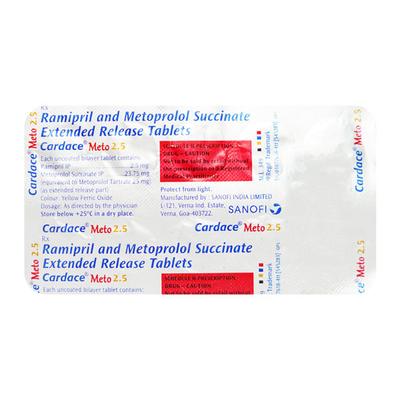
Introduction About CARDACE METO 2.5/25MG TABLET
Cardace Meto 2.5 Tablet is a combination medicine designed to support patients with cardiovascular concerns. It is particularly useful for individuals who need dual action on blood pressure and heart rate, such as patients with hypertension accompanied by elevated heart rate, angina (chest pain), or early-stage heart failure. By addressing both vascular tension and heart workload, it helps patients maintain better cardiovascular stability and improves quality of life.
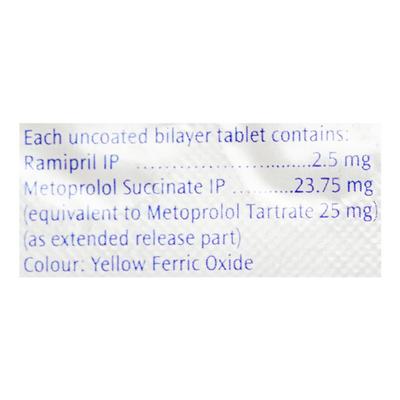
Cardace Meto 2.5 Tablet combines ramipril (ACE inhibitor) and metoprolol (beta-blocker). Ramipril relaxes blood vessels, lowers vascular resistance, and reduces fluid retention, while metoprolol slows the heart rate and reduces cardiac oxygen demand. It is ideal for patients with hypertension, angina, or those requiring kidney protection, particularly in individuals with diabetes or early signs of heart strain. Elderly patients and those with risk factors for cardiovascular complications can also benefit under medical supervision.
The tablet is usually taken once daily, preferably at the same time each day, and can be taken with or without food. It should be swallowed whole with a glass of water. Patients are advised not to stop or change the dose on their own, and missed doses should only be taken if there is sufficient time before the next scheduled dose. Regular monitoring of blood pressure, heart rate, and kidney function is recommended to ensure safety and effectiveness.
Cardace Meto 2.5 Tablet should be used under medical supervision, especially in patients with kidney or liver problems. Common side effects include dizziness, fatigue, headache, mild nausea, or slow heart rate. Patients should avoid alcohol and be cautious with medicines that may lower blood pressure or slow the heart. The medicine is not generally recommended during pregnancy or breastfeeding unless prescribed by a doctor. Regular follow-up appointments help detect any adverse effects early and ensure optimal therapy.
Uses Of CARDACE METO 2.5/25MG TABLET
- Used to manage hypertension and angina
- Used to manage heart failure
- Used to protect kidney functions in patients with hypertension and diabetes
Benefits of CARDACE METO 2.5/25MG TABLET
Cardace Meto 2.5 Tablet for Hypertension
Cardace Meto 2.5 Tablet helps manage high blood pressure by combining ramipril (ACE inhibitor) and metoprolol (beta-blocker). Ramipril relaxes and widens blood vessels, while metoprolol slows the heart rate and reduces workload. Together, they support stable blood pressure levels, improve circulation, and reduce strain on the heart. Regular monitoring of blood pressure and adherence to a healthy lifestyle enhances its effectiveness.
Cardace Meto 2.5 Tablet for Angina
For patients with angina (chest pain caused by reduced blood flow to the heart), Cardace Meto 2.5 Tablet helps by reducing heart workload and improving oxygen supply. Metoprolol slows the heart rate and decreases oxygen demand, while ramipril relaxes blood vessels. This combination can help reduce the frequency and severity of angina episodes under medical supervision.
Cardace Meto 2.5 Tablet for Heart Failure
In heart failure, Cardace Meto 2.5 Tablet supports the heart by lowering blood pressure, reducing heart rate, and easing the heart’s workload. Ramipril helps relax blood vessels, improving blood flow, while metoprolol reduces the stress on the heart by slowing contractions. This dual action can improve symptoms, support heart function, and reduce the risk of complications in patients with chronic heart conditions.
How CARDACE METO 2.5/25MG TABLET Works
Mechanism of action of Cardace Meto 2.5 Tablet
Cardace Meto 2.5 Tablet combines ramipril and metoprolol to support effective blood pressure and heart rate control through two complementary actions.
Ramipril, an ACE inhibitor, helps relax and widen blood vessels by reducing angiotensin II formation, improving blood flow and lowering vascular resistance. It also reduces fluid retention, easing the heart’s workload. Metoprolol, a selective beta-1 blocker, slows the heart rate and decreases the force of contraction by limiting the effects of stress hormones like adrenaline, helping stabilize heart function.
Together, this dual action supports cardiovascular stability and balanced blood pressure regulation under medical guidance.
How to use CARDACE METO 2.5/25MG TABLET
How to Take Cardace Meto 2.5 Tablet
- Take Cardace Meto 2.5 Tablet exactly as prescribed by your doctor.
- Swallow the tablet whole with a glass of water; do not crush, chew, or break it.
- It is usually taken once daily, preferably at the same time each day to maintain consistency.
- The tablet may be taken with or without food, but taking it the same way each day helps avoid stomach discomfort.
- Do not stop or change the dose on your own, even if you feel well, unless advised by your doctor.
- If you miss a dose, take it as soon as you remember; skip it if it is almost time for the next dose. Do not double the dose.
- Regular follow-up and monitoring as advised by your healthcare provider help ensure safe and effective use.
What if I forgot to take CARDACE METO 2.5/25MG TABLET
- If you miss a dose, take it as soon as you remember.
- If it’s almost time for your next scheduled dose, skip the missed dose do not take a double dose to make up for it.
- Taking a double dose can lower your blood pressure too much or slow your heart rate, which can be dangerous.
- Try to take the tablet at the same time every day to maintain consistent blood levels and better control of blood pressure and heart rate.
- If you frequently forget doses, consider setting a daily alarm or reminder and keep a log of when you take your medicine
Overdose
If you or anyone else accidentally took more Cardace Meto 2.5/25mg Tablet, consult your doctor immediately. Symptoms of overdose might include low blood pressure, tiredness, dizziness, slow pulse, shortness of breath, nausea, vomiting, blue colouring of the skin, low blood sugar levels and high levels of potassium in the blood.
Side Effects Of CARDACE METO 2.5/25MG TABLET
Common side effects of Cardace 2.5mg Tablet
- headache, tiredness, dizziness
- feeling faint or dizzy while standing up
- dry cough, inflammation of sinus
- stomach pain, nausea, vomiting, diarrhoea, indigestion
- skin rash
- chest pain
- muscle pains
- increased potassium levels in blood
- slow heart rate
When to Seek Medical Attention?
Stop taking Cardace Meto 2.5/25mg Tablet and contact your doctor immediately if you experience any of the following side effects:
- signs of allergic reactions (such as skin rash, swelling of the face, lips, mouth or throat which can lead to difficulty in breathing or swallowing)
- severe skin reactions (such as skin rash with itching and redness, blistering and peeling of skin, skin swelling and inflammation of mucous membrane)
- chest pain, shortness of breath (signs of heart attack)
- inflammation of pancreas (causing severe stomach pain that radiates to the back side of the body)
- signs of liver problems (such as fever, muscle pain, rashes, itching, stomach pain, diarrhoea, discoloration of eyes, skin and urine)
- increased bleeding or bruising, fever, chills, red spots under the skin, tiredness, dizziness, pale skin (signs of low blood cells counts)
How To Manage Side Effects

Diarrhea
- Stay hydrated: Drink plenty of water, oral rehydration solution (ORS), coconut water, or clear soups to replace lost fluids and electrolytes.
- Eat light, easy-to-digest foods: Include bananas, rice, applesauce, and toast (BRAT diet) to help firm stools.
- Avoid fatty, spicy, or heavy foods: These can irritate the digestive system and worsen diarrhoea.
- Yogurt or probiotic foods: Helps restore healthy gut bacteria and improve digestion.
- Ginger or chamomile tea: Can soothe the stomach and reduce cramping.
- Avoid caffeine and alcohol: Both can worsen dehydration and irritate the intestines.
- Rest: Give your body time to recover while avoiding strenuous activity.

Dizziness Or Drowsiness
- Sit or lie down immediately when you feel dizzy to prevent falls.
- Hydrate well: Drink water, herbal teas, or electrolyte drinks; dehydration is a common cause of dizziness.
- Eat small, frequent meals: Low blood sugar can trigger light-headedness; include protein and complex carbs.
- Ginger: Consuming ginger tea or ginger chews may help reduce dizziness and nausea.
- Move slowly: Avoid sudden head movements or quick changes in posture.
- Focus on a fixed point: If spinning (vertigo), fix your gaze to reduce motion sensation.
- Limit caffeine, alcohol, and smoking: These can worsen dizziness.
- Balance exercises: Simple exercises like standing on one leg or walking heel-to-toe can improve stability over time.
- Rest and sleep well: Fatigue can make dizziness worse.
Indigestion
- Eat smaller, frequent meals: Avoid overeating; smaller portions reduce stomach strain.
- Chew food thoroughly: Helps proper digestion and reduces bloating.
- Avoid trigger foods: Limit spicy, fried, fatty, and carbonated foods that can worsen indigestion.
- Stay upright after meals: Wait at least 30–60 minutes before lying down to prevent acid reflux.
- Ginger: Sip ginger tea or chew a small piece to reduce bloating and nausea.
- Peppermint tea: Can relax the digestive tract and ease stomach discomfort.
- Fennel seeds: Chewing fennel seeds or making fennel tea can relieve bloating and gas.
- Drink warm water: Helps digestion and reduces stomach heaviness.
- Moderate physical activity: Gentle walking after meals can stimulate digestion.
Warning & Precautions

Pregnancy
ContraindicatedCardace Meto 2.5/25mg Tablet is not recommended for use in pregnant women as it may cause serious harm to the growing foetus. Therefore, inform your doctor before taking this medicine if you are pregnant, think you may be pregnant or planning to have a baby. If you accidentally become pregnant while undergoing therapy with Cardace Meto 2.5/25mg Tablet, inform your doctor immediately.

Breastfeeding
ContraindicatedCardace Meto 2.5/25mg Tablet is not recommended for use in breast-feeding women. Therefore, consult your doctor before taking it.

Driving and Using Machines
Use with CautionDo not drive or operate any heavy tools or machines if you feel dizzy after taking Cardace Meto 2.5/25mg Tablet.

Alcohol
ContraindicatedAvoid consumption of alcohol while taking Cardace Meto 2.5/25mg Tablet as it may severely decrease your blood pressure and make you feel dizzier or faint.

Kidney
Consult your doctorCardace Meto 2.5/25mg Tablet is not recommended for use in patients with severe kidney impairment (including dialysis or narrowing or renal arteries). It should be used with caution in patients with other kidney problems (including kidney transplantation). Therefore, consult your doctor before taking it.

Liver
Use with CautionCardace Meto 2.5/25mg Tablet is not recommended for use in patients with liver failure. It should be used with caution in patients with other minor liver problems (such as liver cirrhosis). Therefore, consult your doctor before taking it.

Allergy
ContraindicatedDo not take Cardace Meto 2.5/25mg Tablet if you are allergic to Metoprolol, Ramipril or to any other beta-blockers (such as propranolol, atenolol) or ACE inhibitors (such as captopril, enalapril, lisinopril).

Lungs
ContraindicatedCardace Meto 2.5/25mg Tablet is not recommended for use in patients with severe lung problems (such as asthma, COPD or any form of breathing difficulties). Therefore, consult your doctor before taking it.

Heart Disease
Consult your doctorCardace Meto 2.5/25mg Tablet is not recommended for use in patients with severe heart problems (such as slow or irregular heartbeat, severe heart failure, recent heart attack). It should be used with caution in patients with other minor heart problems. Therefore, consult your doctor before taking it.

Use In Pediatrics
ContraindicatedCardace Meto 2.5/25mg Tablet is not recommended for use in children and adolescents (aged below 18 years). Therefore, consult your doctor before consumption.

Use In Geriatrics
Use with CautionCardace Meto 2.5/25mg Tablet should be used with caution in elderly patients. Therefore, consult your doctor before taking it.
Other Warnings for CARDACE METO 2.5/25MG TABLET
Before taking Cardace Meto 2.5/25mg Tablet, inform your doctor if you:
- have a history of allergic reaction to insects
- have diabetes
- have psoriasis (an auto-immune skin disorder)
- have dry eyes
- have myasthenia gravis (severe muscle weakness)
- are scheduled for any upcoming surgery
- are severely dehydrated due to any recent sickness such as vomiting or diarrhoea
- have any autoimmune disease that affects the skin or collagen (Ex. lupus erythematosus, rheumatoid arthritis or scleroderma)
- have any desensitization management (used to reduce the effect of an allergy to bee or wasp stings)
- have high blood potassium levels
Who should not take CARDACE METO 2.5/25MG TABLET
Cardace Meto 2.5/25mg Tablet is not recommended for use if you:
- have diabetes with impaired kidney functions
- are in shock
- have unmanaged phaeochromocytoma (a tumour of adrenal gland)
- have metabolic acidosis (increased acidity in blood)
- have problems in blood circulation (such as Raynaud’s disease)
- have block in blood vessels
- have a type of angina called Prinzmetal’s angina
- have severe low blood pressure
- suffer from frequent episodes of low blood sugar levels
Safety Advice
- Take exactly as prescribed: Do not adjust the dose or stop the medicine without consulting your doctor.
- Monitor blood pressure and heart rate: Regular checks help avoid low blood pressure or slow heart rate.
- Watch for side effects: Dizziness, fatigue, or light-headedness are common. Seek medical advice if symptoms are severe or persistent.
- Avoid sudden posture changes: Stand up slowly to prevent dizziness or fainting.
- Check for allergies: Inform your doctor if you have a history of allergic reactions to ACE inhibitors or beta-blockers.
- Do not stop abruptly: Sudden discontinuation may cause rapid heartbeat or blood pressure spikes. Always follow your doctor’s guidance for tapering.
Diet and Lifestyle Advice
- Eat a heart-healthy diet: Focus on fruits, vegetables, whole grains, lean proteins, and healthy fats.
- Limit salt intake: Excess sodium can raise blood pressure; avoid processed and fast foods.
- Control sugar and refined carbs: Helps maintain healthy weight and reduces heart strain.
- Stay hydrated: Drink plenty of water; dehydration can worsen dizziness.
- Avoid caffeine excess: Too much coffee or energy drinks may increase heart rate and blood pressure.
- Exercise regularly: Moderate activities like walking, swimming, or cycling for 30 minutes most days help strengthen the heart.
- Maintain a healthy weight: Reduces blood pressure and the heart’s workload.
- Manage stress: Practices like meditation, yoga, or deep breathing can help control blood pressure.
- Avoid smoking: Smoking worsens heart and vascular health.
- Sleep well: Aim for 7–8 hours of quality sleep to support overall heart health.
1. Cardace Meto 2.5 Tablet vs Amlodac-M 5/2.5 Tablet
|
Feature |
Cardace Meto 2.5 Tablet |
Amlodac-M 5/2.5 Tablet |
|
Composition |
Ramipril (ACE inhibitor) + Metoprolol (beta-blocker) lowers blood pressure and slows heart rate. |
Amlodipine (calcium channel blocker) + Metoprolol (beta-blocker) lowers blood pressure and slows heart rate. |
|
Blood Pressure Control |
Effective due to dual action: widening blood vessels and slowing heart. |
Effective: relaxes blood vessels and slows heart, especially useful if angina (chest pain) is present too. |
|
Heart Rate Control |
Strong effect on heart rate due to metoprolol; ACE inhibitor part doesn’t directly affect heart rate but helps circulation. |
Also effective on heart rate (metoprolol) plus vessel relaxation from amlodipine. |
|
Mechanism Focus |
Targets hormonal pathways (ACE system) and stress hormone response for balanced pressure + heart rate. |
Targets blood vessel relaxation combined with heart-rate slowing. |
|
When preferred |
Often selected when kidney protection or ACE pathway control is beneficial (e.g., hypertension with diabetes risk). |
Often chosen when chest pain (angina) or strong vessel dilation plus heart rate control needed. |
|
Side Effect Profile |
Typical effects include dizziness, headache, cough; may have slower heartbeat. |
Can include dizziness, fatigue, headache, swelling (ankles) due to amlodipine. |
|
Heart Rate Targeting |
Good mainly via metoprolol. |
Also, good via metoprolol, plus added vessel relaxation helps indirectly. |
|
Overall Effectiveness |
Suitable when combined ACE + beta-block action is desired for blood pressure and heart stress reduction. |
Suitable when vessel relaxation + beta-block is preferred, especially with angina. |
2. Cardace Meto 2.5 Tablet vs Ramace -M/Ramace 2.5Tablet
|
Feature |
Cardace Meto 2.5 Tablet |
Ramace-M / Ramace 2.5 Tablet |
|
Composition |
Contains ramipril (ACE inhibitor) + metoprolol (beta-blocker); targets blood pressure and heart rate together. |
Ramace 2.5mg Tablet contains ramipril (ACE inhibitor) only; Ramace-M combines ramipril + metoprolol (similar combo). |
|
Blood Pressure Control |
Dual action (ACE inhibition + beta-block) helps lower pressure and manage heart rate. Helpful if heart rate control is also needed. |
Ramace alone lowers blood pressure by relaxing blood vessels. Ramace-M also adds beta-blocking effect. |
|
Heart Rate Effect |
Yes due to metoprolol component; can slow heart rate, which helps some elderly patients but may need monitoring. |
Ramace alone does not directly affect heart rate. Ramace-M does via beta-blocker. |
|
Side Effect Considerations |
Common effects include dizziness, fatigue, cough, and low blood pressure; heart rate slowing may be more pronounced in elderly. |
Ramace commonly causes cough, headache, dizziness, low blood pressure; combination Ramace-M adds possible beta-blocker effects like fatigue or slow heart rate. |
|
Elderly Use Guidance |
Should be used with caution; dose may need adjustment and monitoring due to combined effects and risk of hypotension or slow heart rate. |
Ramace (alone) is often well-established in elderly for blood pressure but still requires monitoring for low pressure and kidney function. Ramace-M has similar considerations to Cardace Meto. |
|
Kidney Function Monitoring |
Recommended, especially in elderly with kidney concerns, because ACE inhibitors affect kidney dynamics. |
Recommended as ACE inhibitors like ramipril can affect kidney function; regular checks are important. |
|
Complexity of Therapy |
Dual-component therapy may be more complex and requires careful monitoring in older adults. |
Ramace alone has simpler action; Ramace-M has similar complexity to Cardace Meto. |
|
Overall Safety in Elderly |
Safe under doctor supervision with careful dose titration and monitoring; risk of low blood pressure and bradycardia may be higher. |
Ramace alone is widely used and generally considered safe when monitored; Ramace-M has safety considerations similar to combination therapies. |
Drug - Drug interaction
1. Medicines that lower blood pressure (e.g., diuretics, other ACE inhibitors, ARBs, calcium channel blockers)
- Interaction: May cause excessive lowering of blood pressure, dizziness, fainting, or light-headedness.
- Management: Monitor blood pressure regularly. Your doctor may adjust doses to prevent hypotension. Rise slowly from sitting or lying positions.
2. Potassium supplements or potassium-sparing diuretics (e.g., spironolactone, triamterene)
- Interaction: May increase potassium levels (hyperkalaemia), which can affect heart rhythm.
- Management: Avoid unnecessary potassium supplements. Regularly monitor blood potassium levels.
3. Nonsteroidal anti-inflammatory drugs (NSAIDs) (e.g., ibuprofen, naproxen)
- Interaction: May reduce the blood pressure-lowering effect and increase risk of kidney damage.
- Management: Use NSAIDs only under medical supervision. Monitor blood pressure and kidney function.
4. Other beta-blockers or anti-arrhythmic drugs (e.g., propranolol, amiodarone)
- Interaction: May cause slow heart rate (bradycardia), fatigue, or dizziness.
- Management: Monitor heart rate and blood pressure. Dose adjustments may be needed under doctor guidance.
5. Insulin or oral diabetes medicines (e.g., metformin, glibenclamide)
- Interaction: May affect blood sugar control; can mask low blood sugar symptoms like rapid heartbeat.
- Management: Monitor blood sugar frequently and adjust diabetes medications as needed under medical supervision.
6. Lithium
- Interaction: Ramipril may increase lithium levels, leading to toxicity.
- Management: Monitor lithium levels closely. Dose adjustments may be necessary.
7. Medicines that cause drowsiness (e.g., sleeping pills, antihistamines, anti-anxiety medicines, alcohol)
- Interaction: Taking these along with Cardace Meto 2.5 Tablet may increase dizziness, sleepiness, and reduce alertness.
- Management: Avoid alcohol and use sedatives or anti-allergy medicines cautiously under medical advice. Do not drive or operate machines if you feel too sleepy.
8. Sympathomimetic drugs (e.g., decongestants like pseudoephedrine)
- Interaction: May reduce the blood pressure-lowering effect of Cardace Meto.
- Management: Use with caution and monitor blood pressure regularly.
9. Digoxin
- Interaction: May increase the risk of slow heart rate due to additive effects with metoprolol.
- Management: Monitor heart rate and consult your doctor for possible dose adjustments.
Drug - Food interaction
1. High-potassium foods (e.g., bananas, oranges, tomatoes, spinach)
- Interaction: Ramipril can increase potassium levels in the blood. Eating too many high-potassium foods may lead to hyperkalaemia, which can affect heart rhythm.
- Management: Limit high-potassium foods if advised by your doctor. Regular blood tests may be needed to monitor potassium levels.
2. Grapefruit and grapefruit juice
- Interaction: Grapefruit may slightly affect the metabolism of metoprolol, leading to higher drug levels, which can cause dizziness or slow heart rate.
- Management: Avoid large amounts of grapefruit or grapefruit juice while taking Cardace Meto 2.5 Tablet.
3. Salty or high-sodium foods (e.g., processed snacks, pickles, fast food)
- Interaction: Excess salt can reduce the blood pressure-lowering effect of ramipril, making the medicine less effective.
- Management: Maintain a low-sodium diet to help control blood pressure and enhance the effectiveness of therapy.
4. Caffeine-rich foods or drinks (e.g., coffee, energy drinks)
- Interaction: Caffeine can temporarily increase blood pressure and heart rate, counteracting the effects of Cardace Meto 2.5 Tablet.
- Management: Limit caffeine intake and monitor your blood pressure regularly.
5. Licorice (natural or candy form)
- Interaction: Excess licorice may reduce the blood pressure-lowering effect and cause fluid retention.
- Management: Avoid excessive licorice consumption while taking Cardace Meto 2.5 Tablet.
6. Foods affecting blood sugar (for patients with diabetes)
- Interaction: Metoprolol may mask symptoms of low blood sugar, and diet can influence sugar levels.
- Management: Monitor blood sugar levels carefully and maintain a balanced diet to avoid hypoglycemia.
Synopsis
|
Drug |
|
|
Pharmacological Category |
Beta blockers, ACE inhibitors |
|
Therapeutic Indication |
Hypertension, Angina, Heart failure, kidney disease |
|
Dosage Forms |
Tablet, Capsule |
More Information
Storage
- Keep Cardace Meto 2.5/25mg Tablet out of the sight and reach of children
- Store Cardace Meto 2.5/25mg Tablet at room temperature
FAQs About CARDACE METO 2.5/25MG TABLET
Q: What is Cardace Meto 2.5 Tablet used for?
A: Cardace Meto 2.5 Tablet is used to help control high blood pressure and manage heart rate. It combines ramipril and metoprolol to relax blood vessels and slow the heart, reducing strain on the heart. It may also support people with certain heart conditions under doctor supervision.
Q: Can I take Cardace Meto 2.5 Tablet with food?
A: Yes, it can be taken with or without food. Try to take it the same way each day to maintain consistent effects and avoid stomach discomfort.
Q: What should I do if I miss a dose?
A: If you miss a dose, take it as soon as you remember. If it’s almost time for the next dose, skip the missed one. Do not double the dose, as this may lower your blood pressure too much.
Q: Can I stop Cardace Meto 2.5 Tablet suddenly?
A: No. Stopping suddenly can cause rapid heartbeat or blood pressure spikes. Always consult your doctor before adjusting or stopping the medicine.
Q: What are common side effects?
A: Mild dizziness, fatigue, headache, or light-headedness are common. Some may experience dry cough or nausea. Most side effects improve as your body adjusts but consult your doctor if they persist or worsen.
Q: Can it affect my heart rate?
A: Yes. Metoprolol may slow your heart rate. This is part of how it works, but if your heart feels unusually slow, dizzy, or weak, consult your doctor immediately.
Q: Can it be taken with other medicines?
A: It may interact with other blood pressure medicines, diuretics, or heart medicines. Always tell your doctor about all other medications you take.
Q: Does it cause dizziness?
A: Mild dizziness or light-headedness can occur, especially when standing up quickly. Sit or lie down if you feel dizzy to avoid falls.
Q: How long does it take to work?
A: Blood pressure and heart rate control may improve within a few days to weeks, but full benefits can take longer. Regular monitoring is important.
Q: Does it cause weight gain?
A: Weight gain is not common with this medicine, but some patients may notice mild fluid retention. Maintain a healthy diet and follow your doctor’s advice.
Q: Can I take it with food supplements?
A: Some supplements, like potassium or herbal remedies, may interact with this medicine. Always consult your doctor before starting supplements.
Q: Can it cause fatigue?
A: Yes, mild fatigue or tiredness can occur, especially when first starting the medicine. Usually, your body adjusts over time.
Q: Can it cause cough?
A: Ramipril may cause a dry cough in some patients. If the cough is persistent or bothersome, consult your doctor.
Q: Can I take it with high blood pressure emergencies?
A: Cardace Meto 2.5 Tablet is not for sudden, severe blood pressure spikes. Seek emergency care in such cases.
Q: Can I take it long-term?
A: Yes, many patients use it long-term to control blood pressure and heart rate, with regular check-ups and monitoring.
Q: What lifestyle changes help while taking this medicine?
A: Maintain a low-salt diet, healthy weight, regular exercise, avoid smoking and alcohol, and monitor blood pressure. These changes help improve the effectiveness of Cardace Meto 2.5 Tablet.
References
1. KD. Tripathi. Anti-adrenergic drugs and Drugs for Glaucoma. Drugs affecting Renin-angiotensin system. Essentials of Medical Pharmacology. Seventh Edition. 2013. Page – 148 & 503.
2. Martin H. Strauss, Alistair S. Hall & Krzysztof Narkiewicz. The Combination of Beta-Blockers and ACE Inhibitors Across the Spectrum of Cardiovascular Diseases. Cardiovascular Drugs and Therapy. SpringerLink. September 2021. [Accessed on 21st January 2026] 
3. Mylan Pharmaceuticals Inc. Metoprolol succinate tablet, film coated, extended release. Dailymed.com. [Revised in August 2022] [Accessed on 21st January 2026] 
4. Sanofi Ltd. Cardace Meto. Ramipril & Metoprolol Succinate Extended-Release Tablets. [Revised in October 2021] [Accessed on 21st January 2026]
Useful Diagnostic Tests
Author Details