


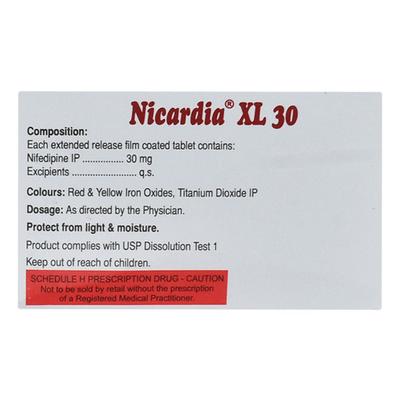
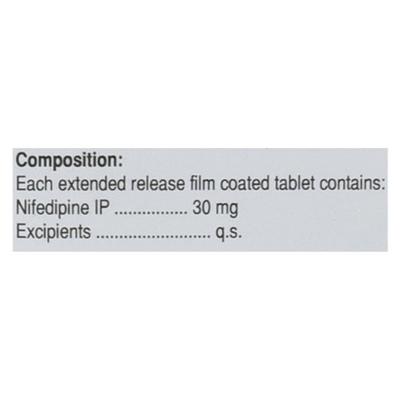

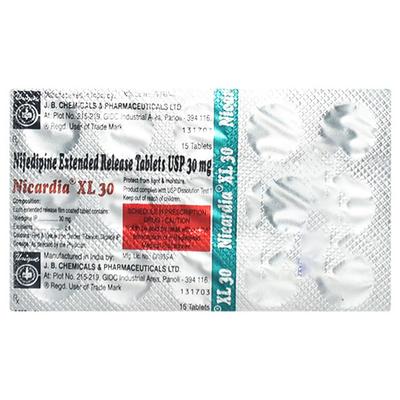


NICARDIA XL 30 Tablet 15's

Netmeds First Membership
Quick Links
Introduction About NICARDIA XL 30 TABLET
NICARDIA XL 30 contains Nifedipine which is a calcium channel blocker used to manage high blood pressure (hypertension) and manage chest pain (angina). By relaxing blood vessels, it improves blood flow and reduces the heart’s workload, helping to protect against heart attacks, strokes, and related complications.
Take NICARDIA XL 30 exactly as prescribed by your healthcare provider. Typically, it is taken once daily, swallowing the tablet whole with water. Do not crush or chew the tablet. Regular intake is important even if you start feeling better.
Inform your doctor if you have liver, kidney, or heart conditions before starting the NICARDIA XL 30. Avoid grapefruit and grapefruit juice as they can interfere with the medication. Alcohol may increase side effects like dizziness and limit intake. The most possible side effects include headache, flushing, swelling, and dizziness.
NICARDIA XL 30 is not recommended for use in pregnancy or breastfeeding without medical advice. Consult your physician before taking other medications with NICARDIA XL 30 Tablet to avoid interactions. Common side effects are headache, dizziness or lightheadedness, swelling of ankles or feet (edema), flushing or redness of the skin.
Uses Of NICARDIA XL 30 TABLET
NICARDIA XL 30 is prescribed to manage:
- Hypertension (high blood pressure)
- angina pectoris (heart-related chest pain)
Benefits of NICARDIA XL 30 TABLET
- Effectively lowers high blood pressure to reduce cardiovascular risk
- Helps to manage angina by improving oxygen supply to the heart
- Reduces risk of stroke, heart attack, and kidney problems
- Improves exercise capacity and heart health over time
Benefits of NICARDIA XL 30 in Hypertension Management
1. Sustained Blood Pressure Control
NICARDIA XL 30 helps lower high blood pressure by relaxing and widening blood vessels, allowing blood to flow more smoothly and reducing resistance against the vessel walls. Its extended-release formulation ensures steady blood pressure management throughout the day, minimizing the risk of spikes that can lead to complications.
2. Cardiovascular Protection
By reducing blood pressure and easing the workload on the heart, this medicine lowers the risk of stroke, heart attack, and other cardiovascular events. Data from clinical studies show that long-acting nifedipine can help most patients achieve target blood pressure and maintain effective control with minimal side effects.
3. Improved Heart Function and Quality of Life
Consistent use of NICARDIA XL 30 can lead to fewer episodes of chest pain and greater exercise tolerance, allowing patients with hypertension and angina to stay more active and experience better health outcomes. This medication is also beneficial for protecting kidney function in hypertensive patients.
4. Compatibility with Lifestyle Modifications
NICARDIA XL 30 works best when combined with lifestyle interventions such as balanced nutrition, regular exercise, stress management, and regular blood pressure monitoring. Its once-daily dosing supports patient adherence and long-term heart health.
How NICARDIA XL 30 TABLET Works
Nifedipine, the active ingredient, blocks calcium entry into smooth muscle cells of blood vessels, causing them to relax and widen. This vasodilation lowers blood pressure and decreases cardiac workload, aiding in symptom control and disease management.
Mechanism of action of Nifedipine in NICARDIA XL 30
- Nifedipine in NICARDIA XL 30 acts as a calcium channel blocker, specifically targeting the voltage-gated L-type calcium channels found primarily in the smooth muscle cells of blood vessels and the heart. By blocking the entry of calcium ions into these cells during depolarization, nifedipine reduces intracellular calcium levels, which is essential for muscle contraction. This inhibition causes relaxation and dilation of the arterial smooth muscle, leading to a decrease in peripheral vascular resistance and consequently lowering blood pressure
- Nifedipine dilates coronary arteries, increasing oxygen delivery to the heart muscle, which helps alleviate angina symptoms by reducing ischemia. The extended-release formulation of NICARDIA XL 30 ensures a steady and sustained blockade of calcium channels, providing consistent blood pressure control throughout the day and minimizing blood pressure fluctuations that can trigger cardiovascular events
How to use NICARDIA XL 30 TABLET
Take NICARDIA XL 30 exactly as prescribed by your healthcare provider. Typically, it is taken once daily, swallowing the tablet whole with water. Do not crush or chew the tablet. Regular intake is important even if you start feeling better.
1. Recommended dosage of NICARDIA XL 30
The usual starting dose of NICARDIA XL 30 (Nifedipine extended-release 30 mg) is one tablet once daily. Your doctor may adjust this dose based on your blood pressure response and clinical condition. The maximum recommended dose typically does not exceed 90 mg per day
2. NICARDIA XL 30 administration tips
Swallow the tablet whole with a glass of water. Do not crush, chew, or break the tablet to ensure the extended-release effect is maintained. Try to take it at the same time each day to maintain steady blood levels and maximize effectiveness.
3. Can NICARDIA XL 30 Tablet be taken with food?
NICARDIA XL 30 can be taken with or without food. However, avoid grapefruit or grapefruit juice during treatment as they can increase the medication's effects and side effects by interfering with its metabolism.
4. NICARDIA XL 30 Tablet dosage for adults and elderly
The standard adult dose is usually 30 mg once daily. For elderly patients, dosage adjustments may be needed depending on their tolerance, kidney, and liver function. Always follow the prescribing doctor’s directions with regular blood pressure monitoring.
5. Important Safety Information
- Inform your doctor if you have liver, kidney, or heart conditions before starting
- Avoid grapefruit and grapefruit juice as they can interfere with the medication
- Alcohol may increase side effects like dizziness, limit intake
- Possible side effects include headache, flushing, swelling, and dizziness
What if I forgot to take NICARDIA XL 30 TABLET
If you miss a dose, take it as soon as you remember unless it is nearly time for your next scheduled dose. Skip the missed dose if the next dose is approaching and do not double up to catch up, as this can cause a sudden drop in blood pressure.
Overdose
If you or anyone else accidentally take too much of NICARDIA XL 30, consult your doctor immediately or visit the nearby hospital. The most common symptoms of overdose are low blood pressure, heartbeats may be increased or slowed down, increased blood sugar level, increased acidity in the blood, swelling in the lungs, low blood oxygen levels and disturbances in consciousness leading to unconsciousness.
Side Effects Of NICARDIA XL 30 TABLET
Common
- headache
- flushing
- swelling
- dizziness
- lightheadedness
- swelling of ankles or feet (edema)
- flushing or redness of the skin
When to consult a doctor?
- generalised allergic reaction
- fast heartbeat
- shortness of breath or difficulty breathing
- mild to moderate allergic reactions
- itching, a rash or hives
How To Manage Side Effects

Dizziness Or Drowsiness
When you feel dizzy, lie down or sit down immediately. If you are experiencing a severe episode of dizziness, lie in a dark, quiet place with your eyes closed. Driving should be avoided if you experience frequent dizziness without warning. Talk to your doctor if the symptom worsens.

Headache
Apply a hot or cold-water bag to your head. Try to take a rest in a quiet, dark environment. Drink tea or coffee. Massage with mild pressure on the scalp or head.
Warning & Precautions

Pregnancy
ContraindicatedNICARDIA XL 30 is not recommended for use in pregnancy without medical advice.

Breastfeeding
ContraindicatedNICARDIA XL 30 is not recommended for use in breastfeeding women without medical advice.

Driving and Using Machines
Use with CautionDo not drive or operate any machines if you feel dizzy or sleepy, extremely tired, faint, or have visual disturbances after taking NICARDIA XL 30.

Alcohol
Consult your doctorAvoid consuming alcohol as it may cause dizziness, fainting, extreme tiredness, or visual disturbances.

Kidney
Use with CautionNICARDIA XL 30 should be taken with caution in patients undergoing kidney dialysis.

Liver
Consult your doctorNICARDIA XL 30 is not recommended for use in patients with liver disease and should be used with caution when the liver is not working properly.

Allergy
ContraindicatedDo not take NICARDIA XL 30 if you are allergic to Nifedipine or any other ingredients of this medicine.

Heart Disease
Consult your doctorNICARDIA XL 30 is not recommended for use in patients who had a heart attack, unstable angina, sudden angina attack, aortic stenosis and collapsed because of heart problems (cardiogenic shock). It should be taken with caution in patients having poor cardiac reserve.

Use In Pediatrics
ContraindicatedNICARDIA XL 30 TABLET is not recommended for use in children and adolescents below 18 years of age.
Other Warnings for NICARDIA XL 30 TABLET
Before taking NICARDIA XL 30, inform your doctor if you have:
- low blood pressure
- diabetes
Who should not take NICARDIA XL 30 TABLET
NICARDIA XL 30 is not recommended for use if you have:
- inflammation of the bowel or intestines, such as Crohn’s disease
- obstruction or narrowing of intestines
- obstruction in the esophagus
- Kock pouch (a surgically constructed intestinal reservoir with an opening through the abdominal wall) in your gut
- malignant hypertension
Diet and Lifestyle Advice
- Patients are encouraged to limit salt consumption by avoiding processed foods and choosing fresh, whole foods to support the blood pressure-lowering effects of medication
- Engage in moderate-intensity aerobic exercise such as brisk walking, cycling, or swimming for at least 150 minutes per week can significantly reduce systolic and diastolic blood pressure
- Exercise improves vascular function, reduces arterial stiffness, and promotes better heart health, synergizing with NICARDIA XL 30 vasodilatory effects to maintain steady blood pressure control
- Stress management is equally important, as chronic stress triggers the release of hormones like cortisol and adrenaline that constrict blood vessels and raise blood pressure. Techniques such as mindfulness meditation, yoga, deep breathing exercises, and sufficient sleep help mitigate stress, complementing the medication’s therapeutic action
Drug - Drug interaction
Medication Interactions: NICARDIA XL 30 can interact with certain other medicines, altering its effectiveness or increasing side effects. These include:
- beta-blockers, which are also used for heart conditions and hypertension
- certain antibiotics like clarithromycin and erythromycin
- antiepileptics such as carbamazepine, phenytoin, and phenobarbital
Drug - Food interaction
- Do not drink grapefruit juice or eat grapefruit while taking NICARDIA XL 30.
Synopsis
| Drug | : | Nifedipine |
| Pharmacological Category | : | Calcium Channel Blockers |
| Therapeutic Indication | : | High Blood Pressure, Angina |
| Dosage Forms | : | Tablet, Capsule |
More Information
Practical advice for busy adults on integrating NICARDIA XL 30 intake with lifestyle modifications
1. Consistent Medication Routine:
Take NICARDIA XL 30 at the same time each day, ideally in the morning with or without food, to build a habit and maintain consistent blood levels. Using daily alarms or medication apps can help manage missed doses amidst a hectic schedule.
2. Simplify Dietary Changes:
Aim for gradual reduction of sodium by choosing fresh, unprocessed foods and limiting salty snacks. Meal prepping healthy options can save time and ensure adherence to a heart-friendly diet rich in fruits, vegetables, whole grains, and lean proteins.
3. Incorporate Physical Activity Efficiently:
Even short bouts of moderate activity like brisk walking, stair climbing, or stretching throughout the day can significantly aid blood pressure management. Consider active commuting, taking short activity breaks during work, or combining social time with physical activities.
4. Stress Management Techniques:
Utilize quick and effective stress relief practices such as deep breathing, mindfulness, or short meditation sessions, which can be done during breaks or before bedtime. Prioritize adequate sleep by establishing a relaxing nighttime routine despite a busy lifestyle.
5. Regular Monitoring and Health Check-ups:
Schedule blood pressure monitoring sessions that fit your routine, home monitoring devices or visits to local clinics help track progress and inform ongoing treatment adjustments.
How lifestyle stress impacts blood pressure and cardiovascular health?
|
Aspect |
Effect of Lifestyle Stress |
Impact on Blood Pressure and Cardiovascular Health |
|
Hormonal Response |
Stress triggers release of adrenaline and cortisol |
Increased heart rate and blood vessel constriction lead to temporary rise in BP |
|
Chronic Stress Hormones |
Prolonged cortisol elevation promotes inflammation and plaque buildup |
Sustained hypertension, atherosclerosis, increased risk of heart attack and stroke |
|
Metabolic Effects |
Stress increases blood sugar, cholesterol, and triglycerides |
Contributes to cardiovascular risk and damage to blood vessels |
|
Behavioral Consequences |
Stress leads to smoking, poor diet, alcohol use, and physical inactivity |
Unhealthy lifestyle factors worsen blood pressure and heart health |
|
Cardiovascular Events |
Acute stress can trigger arrhythmias and plaque rupture |
Increased risk of heart attacks and stroke |
|
Endothelial Dysfunction |
Stress causes inflammation and impaired blood vessel lining function |
Reduced vascular health and elevated blood pressure |
|
Blood Pressure Regulation |
Stress disrupts autonomic nervous system and baroreceptor reflexes |
Poor blood pressure control, increased risk of chronic hypertension |
|
Psychological and Physical Symptoms |
Stress causes headaches, insomnia, anxiety, and fatigue |
These symptoms can indirectly elevate blood pressure and complicate heart health |
|
Overall Cardiovascular Risk |
Combination of direct and indirect effects of stress |
Increased incidence and severity of cardiovascular diseases |
References to clinical studies, expert guidelines, and regulatory standards significantly enhances the credibility and confidence of content related to cardiovascular health and lifestyle stress management
- A 2020 article published in Circulation (American Heart Association journal) emphasized that chronic psychosocial stress independently increases the risk of cardiovascular disease (CVD) by more than two-fold, comparable to major risk factors like smoking and hypertension. The INTERHEART study involving over 24,000 patients from 52 countries confirmed the link between stress and myocardial infarction risk, independent of lifestyle or socioeconomic status.
- Expert guidelines from the American Heart Association recommend screening for stress as part of cardiovascular risk assessment and incorporating structured stress management interventions in both primary and secondary prevention of CVD. These guidelines highlight the biological mechanisms such as neurohormonal activation and vascular inflammation through which stress exacerbates heart disease, reinforcing the need for integrated treatment approaches.
- Clinical trials have demonstrated that reducing stress through regular exercise, meditation, and social support leads to improvements in blood pressure regulation, endothelial function, and inflammatory markers
- Regulatory standards emphasize patient safety and evidence-based treatment strategies, encouraging healthcare providers to adopt a holistic approach that combines pharmacological management (e.g., NICARDIA XL 30) with lifestyle and psychological interventions to optimize cardiovascular outcomes
FAQs About NICARDIA XL 30 TABLET
Q: Can NICARDIA XL 30 be used to manage high blood pressure?
A: NICARDIA XL 30 can be used to manage high blood pressure by relaxing and expanding the blood vessels for easy blood flow and also reducing the strain on the heart.
Q: Can NICARDIA XL 30 be used in patients with liver and kidney disease?
A: NICARDIA XL 30 is not recommended for use in patients with liver disease and should be used with caution when the liver is not working properly and the patient is undergoing kidney dialysis.
Q: Can NICARDIA XL 30 be given to children?
A: NICARDIA XL 30 should not be used by children or adolescents under the age of 18.
Q: Can NICARDIA XL 30 be taken with food?
A: NICARDIA XL 30 can be taken with or without food. But do not eat grapefruit or drink grapefruit juice while taking NICARDIA XL 30.
Q: Can I stop taking NICARDIA XL 30 once my blood pressure is normal?
A: No, continue as prescribed. Stopping the medication abruptly can worsen your condition.
Q: How soon will I see improvements while using NICARDIA XL 30?
A: Effects on blood pressure may be noticed within days, but consistent use is necessary for long-term benefits.
Q: Can I take NICARDIA XL 30 with other heart medications?
A: Always consult your healthcare provider before combining medications.
Q: How does stress affect blood pressure and heart health?
A: Chronic stress triggers the release of hormones like cortisol and adrenaline, causing the heart to beat faster and blood vessels to constrict, which raises blood pressure temporarily and, if prolonged, contributes to chronic hypertension and heart disease (American Heart Association, 2020).
Q: What lifestyle changes can reduce cardiovascular risks associated with stress?
A: Evidence-based guidelines recommend dietary sodium reduction, regular physical activity, smoking cessation, and effective stress management techniques such as mindfulness and relaxation therapy (NHLBI, AHA).
Q: When should I seek medical help for stress-related heart issues?
A: If stress causes persistent anxiety, depression, sleep disturbances, or if you have known heart disease and notice worsening symptoms, it is important to seek professional medical advice for proper management.
References
1. KD Tripathi. Antianginal and other anti-ischaemic drugs. Essentials of medical pharmacology. Eighth edition. 2019. Page –592-597.
2. Morgan E Snider, Donald S Nuzum, and Angie Veverka . Long-acting nifedipine in the management of the hypertensive patient. National Library of Medicine, National center for biotechnology information. PubMed Central. December 2008. [Accessed 18th November 2025] 
3. M Witkowska , W Tracz, G Kubler, M Negrusz-Kawecka, M Hlawaty, M Olszewski, P Salamon. [Comparative study to assess the efficacy and adverse effects of amlodipine and nifedipine retard in patients with stable exertional angina and hypertension]. National Library of Medicine, National center for biotechnology information. PubMed Central. May 1997. [Accessed 18th November 2025] 
4. Ltd Pharma- D. Electronic Medicines Compendium (EMC). [Revised in July 2016] [Accessed 18th November 2025]
Useful Diagnostic Tests
Author Details