


In today’s fast-paced world, women juggle numerous roles and tasks both at work and at home while managing hectic schedules, leading to undue stress, poor diet and hormonal imbalance. And one of the most common hormone-related disorders affecting women of reproductive age i.e. between 15 – 49 years is PCOS – Polycystic Ovarian Syndrome. Also termed PCOD i.e. Polycystic Ovarian Disorder, PCOS is characterised by enlarged ovaries with small fluid-filled sacs called cysts present in the exterior tissue linings.
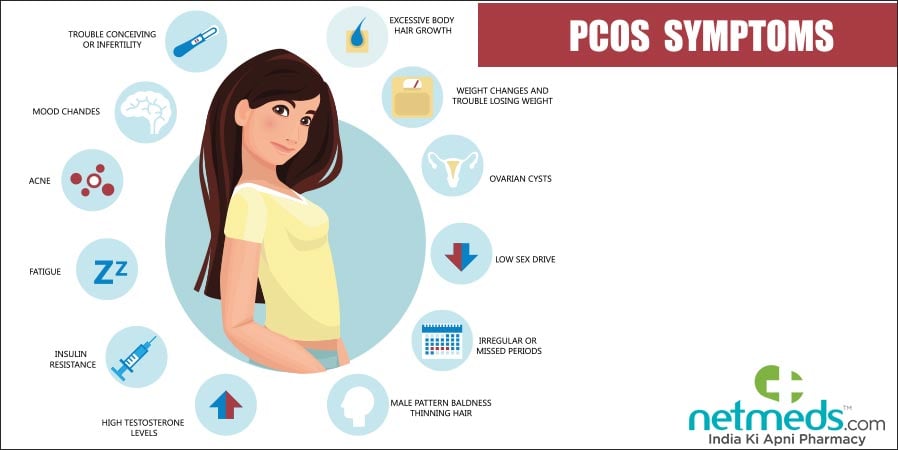
While the precise cause of PCOS is not yet known, it stems from genetic and environmental factors involving the hormones insulin, androgen, besides inherited factors and inflammatory reactions, being accompanied by many uneasy symptoms. These comprise sudden weight gain/obesity, irregular or missed periods, excess facial and body hair, frequent acne outbursts, erratic mood swings and even more severe complications of type 2 diabetes, heart disease, infertility and uterine bleeding, uterine/endometrial cancer.
Also Read: Irregular Periods? Don’t Ignore It, Try These Remedies
To deal with PCOS, mitigate the symptoms and avoid grave health consequences, doctors recommend women to engage in regular physical activity, apart from following a healthy balanced diet, proper sleeping patterns and adhering to the schedule and dose of prescription medications as advised. In this regard, Yoga, an ancient practice that originated in India thousands of years ago, is touted as a holistic method to rectify hormonal imbalance in women struggling with PCOS. A time-tested ritual that inculcates unity of the mind, body and soul, yoga entails physical stretching movements, concentrated breathing and positive stimulation of the mind to restore the balance of hormones, reduce anxiety, tension, improve insulin function, regulate menstrual cycles and maintain healthy body weight in women with PCOS.
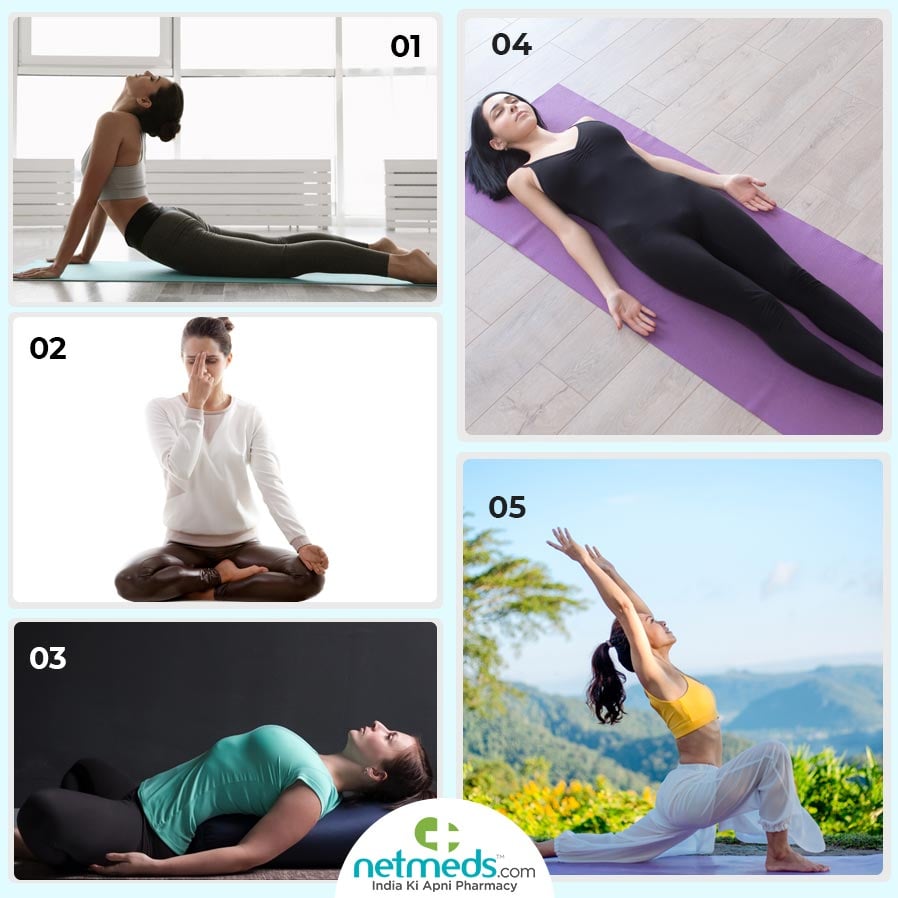
Proven Yoga Asanas For Women To Alleviate PCOS Symptoms:
Bhujangasana (Cobra Pose)
Lie down flat on the floor, with the face touching the ground. Place both arms close to the body, with palms in contact with the floor and elbows touching the hips. Inhale deeply, raise the upper body off the ground, bend backwards and balance using both arms. Retain this posture for 15 – 30 seconds, then exhale and come back to the floor in the initial flat position.
Anulom Vilom Pranayama (Alternate Nostril Breathing)
Be seated on the ground in a cross-legged stance or if possible, in padmasana or artha padmasana. Place both hands on the respective knees. Hold the right nostril with the right thumb tightly, then inhale through the left nostril. After 5 – 10 seconds, release the thumb from the right nostril and exhale through it, whilst tightly enclosing the left nostril with the middle finger. Do this again, this time inhaling via the right nostril and exhaling through the left nostril. Repeat this sequence for 10 – 15 minutes.
Supta Badha Konasana (Reclining Bound Angle/Butterfly Pose)
Start by lying down flat on the back, in a relaxed manner, placing the arms close to but not touching the body. Now, slowly pull both legs in towards the body as much as possible, with the knees bent and feet aligned and touching like in the butterfly pose. Stay in this position for 3 – 5 minutes, then extend both legs completely and relax. For extra support to the spine and back, a soft cushion or pillow can be placed under the hip while doing this asana.
Shavasana (Corpse Pose)
Lie down on the floor, with the back touching the ground and place both hands extended fully on either side a bit away from the body with the palms facing up. Close the eyes, remain stationary and breathe in and out deeply via both nostrils. Clear the mind of all thoughts, worries and negative emotions, stay motionless for 5 – 10 minutes, then relax.
Surya Namaskar (Sun Salutation)
An age-old tradition that involves offering salutations to the sun and imbibing the energy from the early morning sun rays, Surya Namaskar must be performed at the break of dawn/sunrise. It encompasses 12 detailed steps starting in an erect standing position, with bending and stretching exercises that vastly enhance flexibility, balance and strength in the body. Furthermore, Surya Namaskar aids in improving the levels of vitamin D – the sunshine vitamin – in the system, which is a key nutrient for optimal hormonal functioning and balance.
Frequently Asked Questions
Can yoga help manage PCOS naturally?
Yes, regular yoga may help improve insulin sensitivity, reduce stress, support hormonal balance, and enhance menstrual regularity when combined with a healthy lifestyle.
Which yoga poses are considered beneficial for women with PCOS?
Poses such as Bhujangasana, Baddha Konasana, Malasana, Setu Bandhasana, and Balasana are commonly recommended to improve pelvic circulation and promote relaxation.
How often should I practice yoga for PCOS?
Practicing yoga for 30–60 minutes at least 3–5 times a week may provide noticeable improvements in flexibility, stress management, and overall well-being.
Can yoga regulate irregular menstrual cycles?
Yoga may support menstrual regularity by helping reduce stress hormones and improving metabolic and endocrine health, although it should not replace prescribed medical treatment.
Does yoga help with PCOS-related weight management?
Regular yoga, combined with a balanced diet and physical activity, may improve insulin resistance, support healthy metabolism, and contribute to sustainable weight management.
References:
- Yoga as a Complementary Intervention for Polycystic Ovary Syndrome Management: A Systematic Review (2026) – https://pmc.ncbi.nlm.nih.gov/articles/PMC13272381/
- Effect of Yoga Therapy on Health Outcomes in Women With Polycystic Ovary Syndrome: A Systematic Review and Meta-Analysis – https://journals.sagepub.com/doi/10.1177/15598276211029221
- Effects of Yoga Interventions on Anti-Müllerian Hormone, Androgen Levels, and Metabolic Parameters in Women with PCOS – https://pmc.ncbi.nlm.nih.gov/articles/PMC13067475/
- Yoga as a Complementary Intervention for Polycystic Ovary Syndrome Management – Frontiers in Reproductive Health (2026) – https://www.frontiersin.org/journals/reproductive-health/articles/10.3389/frph.2026.1753608/full
 Previous