Vitamin K derived from the German word “Koagulationsvitamin,” is an essential fat-soluble vitamin used for blood clotting in case of cuts, abrasions or injuries. It is the key element required by the body to produce prothrombin, a clotting factor necessary for blood coagulation.
The K vitamin comprises two natural vitamers known as vitamin K1 and vitamin K2. Among the two forms, vitamin K1, the main dietary form also termed as phylloquinone is a plant-based vitamin obtained from leafy green vegetables and plant-based foods. But the K1 compound only becomes active once it is inside human body and thus carries out all the functions of vitamin K. Vitamin K2, which goes by the name menaquinone is generated by the gut bacteria present in the intestines into various active forms and is stored in the liver and fatty tissues. It is mostly found in animal based or fermented food items.
Functions
A natural remedy for congealing the blood, vitamin K has a multitude of health benefits, including alleviating the vitamin K deficiency syndromes, improving cognitive and bone health, and lowering heart ailments.
The most essential role of vitamin K is healing of wounds and reversing the harmful effects of blood-thinning medicines. It is also used in preventing bleeding disorders in newborns exhibiting haemorrhagic disease due to the absence of vitamin K.
Vitamin K plays an integral part in promoting bone health. Along with the D vitamin, it ensures calcium-binding action required for the healthy functioning of the bones and gums. It strengthens the skeletal structure, increases bone density and reduces the risk of fracture in older women. It also successfully treats osteoporosis and bone loss.
Several scientific studies also conclude reduced risk of peripheral arterial disease in people taking vitamin K. It prevents mineralization in the arterial walls and keeps the blood pressure under control thus allowing the heart to pump blood smoothly throughout the body by promoting overall cardiac health.
Vitamin K has also been known to be highly essential in improving dental health. It activates the production of osteocalcin, the protein required for triggering the growth of new dentin, which is the calcified tissue below the teeth enamel. It also strengthens the teeth from the root and prevents loss or decay.
It is also used to prevent bleeding problems during overdosage caused by warfarin, salicylates, sulphonamides, other antibiotics and poisoning due to coumarins.
Some cases also show the use of vitamin K to improve memory and cognitive health in older individuals.
It is used to relieve itching, experienced due to biliary cirrhosis and has also been known to reduce the blood cholesterol in people on dialysis.
Topical use of vitamin K hold high significance in removing bruises, scars, stretch marks and spider veins. It also treats a host of skin conditions, including redness, pimples and rosacea and actively participates in speeding up the healing process in skin.
Several studies suggest regular consumption of this vitamin reduce the chances of liver and breast cancer.
Food Sources
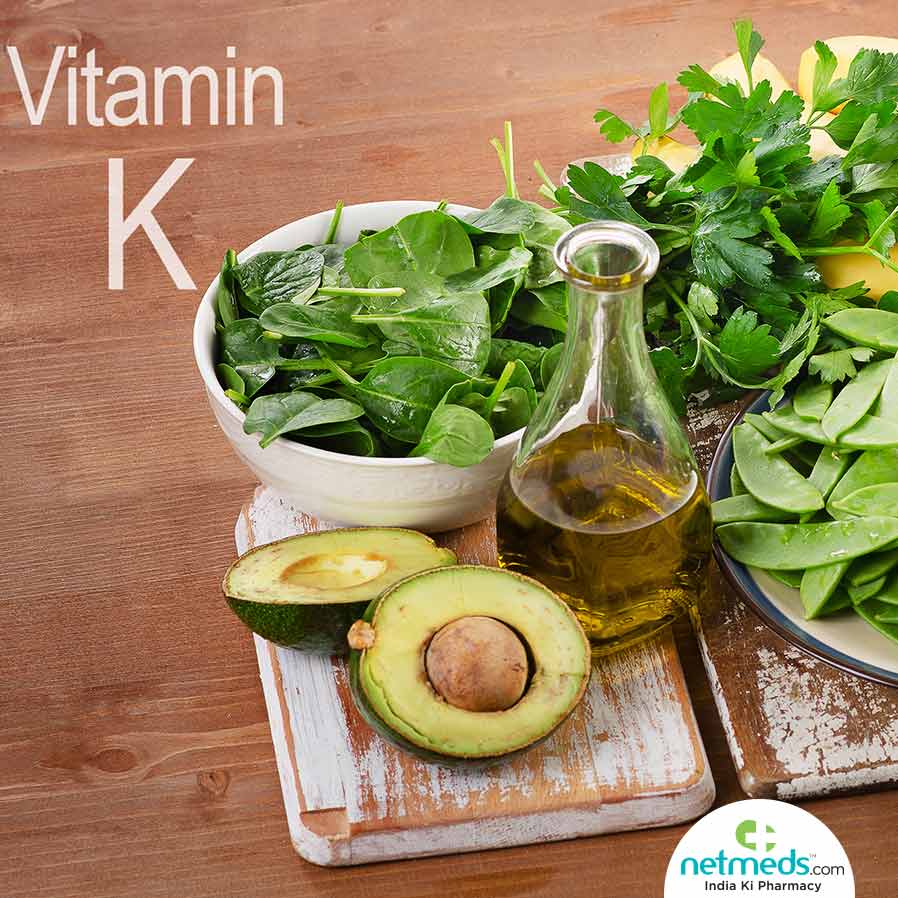
The ample number of dietary sources provided by Mother Nature is adequate enough to fulfil one’s requirement of the K vitamin. Vitamin K1 is widely found in most greeneries whereas most animal-based food items are rich sources of the K2 vitamin.
Given below are the food sources that are loaded with vitamin K:
Green Vegetables:
Kale, spinach, green turnip, parsley, lettuce, cauliflower, broccoli, cabbage, brussels etc.
Fruits:
Kiwi, avocado, blueberry, etc.
Dairy Sources:
cheese, milk and yogurt.
Other Sources:
Fermented foods like natto, miso, sauerkraut, eggs and meat.
Deficiencies
Although rarely observed, vitamin K deficiency generally occurs when the body cannot absorb it from the intestines or due to long term treatment with antibiotics. People suffering from this particular deficiency may exhibit bruising and bleeding.
People suffering from chronic gastrointestinal ailments like Crohn’s disease, gall bladder disease, cystic fibrosis, celiac, liver damage, inflammatory bowel disease or those who underwent abdominal surgery are unfit to absorb the vitamin and are prone to the deficiency syndromes. Absence of this essential vitamin in the body may cause hematomas, petechia, blood in urine, stools, easy bruising, excessive bleeding from the nose, gums etc.
Since newborns don’t have adequate vitamin K in their bodies, they may sometimes exhibit birth defects like under developed bone, nose, fingers and face. Deficiency syndromes are also detected in individual suffering from bulimia or those on long term treatment with barbiturates and salicylates.
If the vitamin K requirements are not met with, it may eventually lead to several chronic disorders.
Coagulopathy:
A fatal bleeding disorder where the blood’s potency of coagulation is hindered resulting in excessive bleeding during any surgery or procedure.
Anaemia:
A blood disorder marked by decrease in the number of red blood cells and haemoglobin count, thus, lowering the ability of transporting oxygen throughout the body.
Haematoma:
A condition characterized by localized bruising outside the blood vessels due to injury or trauma or due to oozing of blood from the damaged capillaries.
Petechia:
A skin condition due to broken capillaries, resulting in red or purple spots on the affected part.
Cartilage Calcification
Vitamin K is vital for activating the Vitamin-K-dependent protein called matrix Gla protein present in bone and cartilages. This protein is a potent inhibitor of vascular calcification and requires carboxylation by Vitamin K to exert calcification inhibition. Prolonged deficiency of this Vitamin can lead to cartilage calcification, which may cause osteoarthritis and bone loss.
Vitamin K Deficiency Bleeding
Vitamin K deficiency bleeding, or VKDB occurs when newborn babies bleed profusely as their blood does not have enough Vitamin K to form a clot. The bleeding that may occur on the inside or outside of the body can be fatal.
Obstructive Jaundice
Bile ducts are thin tubes that allow the bile to go from the liver and gallbladder into the small intestine. If there is a blockage in the bile duct, the pancreas does not produce enough enzymes to allow the body to absorb nutrients from digested food, which leads to Vitamin K loss. This causes a spike in bilirubin levels in the blood, which can lead to obstructive jaundice or chronic liver disease.
Toxicity
Although adverse effects from consuming vitamin K from natural sources have not been observed, an overdose of this vitamin through supplements may cause an allergic reaction. As it actively participates in reversing the effects of antibiotics or blood thinners, overconsumption of vitamin K supplements may interfere with the effects of these medicines, which are taken by individuals to prevent blood coagulation in the arteries supplying blood to the heart or brain.
The Recommended Dietary Intake (RDA) of Vitamin K is 55 mcg a day for both men and women aged 19 years and older. Anything more than the recommended dose may cause toxicity like decreased appetite, enlarged liver, breathing difficulty, muscle stiffness, paleness, and swelling of the body.
Hence, it is always strongly advised to increase the vitamin K levels in your body through natural dietary choices and to consume the supplements only after proper consultation with your doctor or physician.
Frequently Asked Questions
Does Cooking Methods Affect Vitamin K Content?
Yes. Vitamin K is fat-soluble, so cooking with a small amount of oil can increase absorption. Boiling in excess may reduce levels slightly.
How Is Vitamin K Deficiency Diagnosed?
Blood tests measuring prothrombin time (PT), assessment of dietary habits, and medical history are basic tests to diagnose Vitamin K deficiency.
Can You Take Too Much Vitamin K?
Natural Vitamin K1 and K2 rarely cause toxicity, even in high amounts. Synthetic Vitamin K3, also called menadione, can be toxic and is not recommended for humans.
References:
Vitamin K
Kory Imbrescia; Zbigniew Moszczynski.
https://www.ncbi.nlm.nih.gov/books/NBK551578/
https://www.mdpi.com/2072-6643/12/1/138
 Previous