Onion - the staple, humble vegetable is an omnipresent ingredient across the global cuisine. Sprinkle it generously on a crisp dosa or add it to the Pizza there is no denying the fact that all we need is one Onion for that extra flavour and taste!
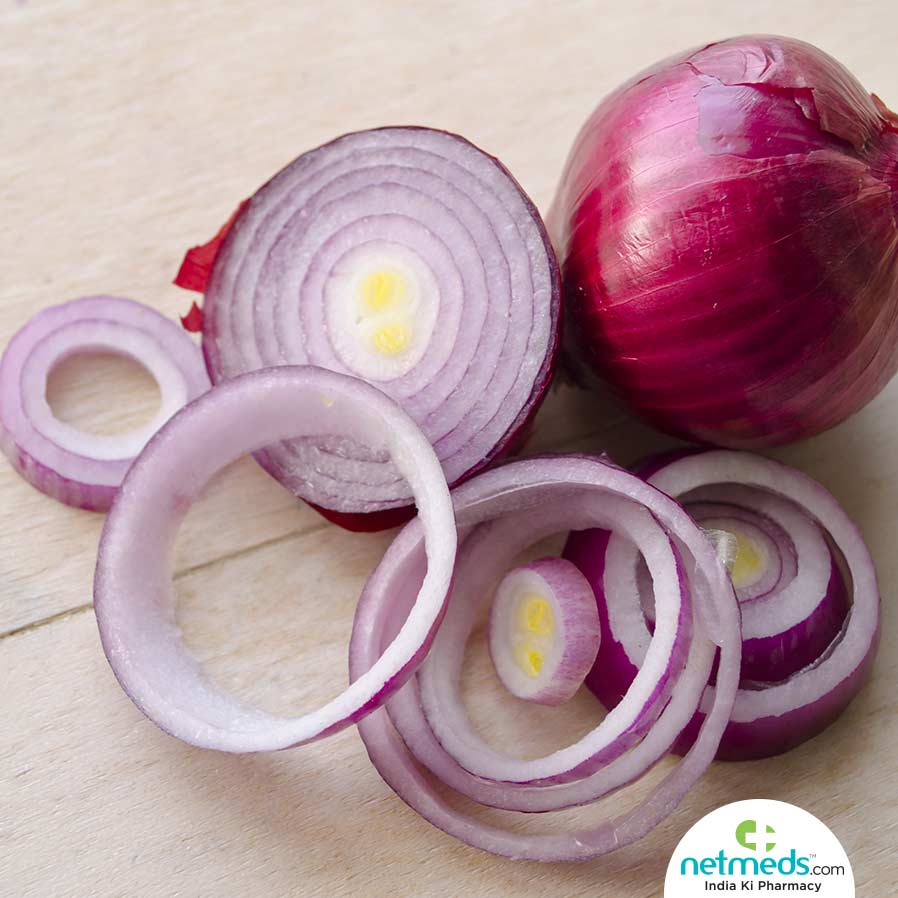
Chopping Onions can be a teary process thanks to its sulphuric, alliinase properties but this amazing vegetable is loaded with unparalleled amounts of nutrition.
Powered with vitamin C, B6, manganese, potassium, Phytonutrients, and a wallop of antioxidants including flavonoids - quercetin and Sulphuric compound allicin, you name it, Onion has it!
Make it a part of your daily diet for a wide spectrum of health benefits including weight loss, lowering the risk of cancer and what’s more? Onions also aid in maintaining healthy and glowing skin.
Why Should You Eat Onion?
1. Protects Against Cancer
Researchers have proven the benefits of this wonder bulb in protecting cancer due to the rich antioxidant profile. As per the recent research published in the Journal of American Clinical Nutrition, there is a strong link between the increased usage of this veggie and lowering risk of several cancers. Onions activate pathways that promote the cancers cell to undergo apoptosis (cell death).
2. Improves The Bone Health
Onions are super-rich in anti-inflammatory, antioxidant flavonoids - quercetin that guards the bone against free radical damage. It also prevents the bone from breaking down (osteoclast). The presence of Sulphur compounds allicin in onions works to strengthen the collagen in the bone. Women who included more onions in their regimen had better bone density and reduced risk of hip fracture.
3. Promotes Gut Health
The abundance of inulin - a fibre in onion functions as a prebiotic, that nourishes the gut microbes and promotes the growth of good bacteria and improve the gut health. Inulin in onions also works well in preventing constipation, regulating the blood sugar, enhancing the nutrient absorption, and improving the density of bones.
4. Lowers Cholesterol
The presence of alliinase compound in onions helps in lowering cholesterol and decrease the risk of heart diseases. Alliinase is released when onions are sliced and this what makes you cry when you are cutting the vegetable. Also, the richness of plant sterols quercetin and saponins in onions all of which works to lower the cholesterol and improve the heart health.
5. Enhance Skin Glow
The chock full of nutrients in onions that include vitamin C, B6, and allicin the Sulphur compound works as an amazing component in enhancing skin health and beauty. It is a powerful antiseptic that shields the skin and treats acne.
6. Onions Make Tomatoes Good for you
Food harmony is the way which benefits eating two specific food together that offsets the perks of eating each food separately. This works well with onions and tomatoes, researchers believe the Sulphur compounds in onions promotes the absorption of lycopene, a potent antioxidant in tomatoes that protects against cancer, heart disease, brain, bone and eye health. Luckily both make a delightful combination of salads, curries, omelettes, and soups
7. Remedies Hypertension
Onion is imbued with a valuable antioxidant known as quercetin, which displays fantastic merits for improving heart functions. Eating a small portion of onions daily as part of a salad, dal or sambar supplies tremendous anti-inflammatory properties to ensure the smooth passage of food particles via blood vessels, preventing their clogging with fatty substances and cholesterol. The instance of atherosclerosis is thus averted and high blood pressure or hypertension is resolved.
8. Manages Diabetes
The myriad sulphur compounds found in onions work wonders in effectively controlling sudden spikes in blood sugar in cases of prediabetes and diabetes. Moreover, onions house vast reserves of dietary fibers, that aid in unimpeded digestion of food, helping to satiate appetite, curb untimely cravings and follow a healthy meal plan to alleviate diabetes symptoms. The antioxidants in onions influence the normal operations of the pancreas, regulating insulin synthesis and keeping blood glucose levels in check.
9. Rectifies Insomnia
Onions portray superb wellness incentives in mending sleep disorders of insomnia and promoting uninterrupted rest at night. This strong-smelling root vegetable that is ubiquitous in kitchens and cuisines across the world, comprises ample amounts of L-tryptophan, an amino acid that holds powerful sedative traits, which induce deep sleep. Additionally, onions exhibit useful calming qualities, which help to instantly relieve stress, tension from the mind and promote healthy sleeping patterns.
Benefits Of Onion Juice
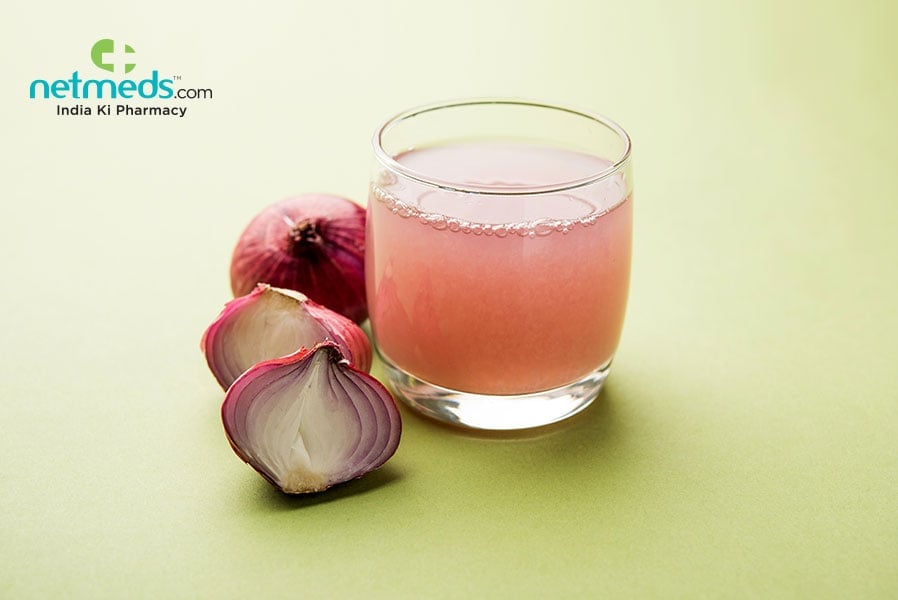
The hot and pungent tasting juice is loaded with strong antioxidant and anti-inflammatory properties. Besides this, it is also abundant in vitamins B1, B6, C, folic acid and magnesium and phosphorus.
How To Make Onion Juice?
Take about 3-4 medium-sized onions and chop them.
Add the chopped onions to a blender and strain the juice
Drink this nutrient-dense juice to reap its wellness incentives.
Clears Acne
The potent antimicrobial and antifungal properties of onion juice help to clear the acne scars and lower inflammation and redness. Onion juice is also beneficial in treating fungal and bacterial infections.
Apply onion juices to the face and allow it to stay for 10-15 minutes to get rid of acne scars.
Slow-down Ageing
The goodness of powerful flavonoids and antioxidants in onion juice combats free radical damage of skin cells, reduce wrinkles and slow down signs of ageing. The sulphur compounds alum boost the synthesis of collagen and battle premature ageing.
Prevents Allergies
The immense amount of antioxidant quercetin in onion juice is valuable in treating allergies and lowering the risk of chronic inflammatory conditions. Quercetin works by scavenging free radical damage and helps to get rid of histamine in the body.
Frequently Asked Questions
What Are Onions Good For Medicinally?
Onions have been used in traditional and modern medicine due to their rich profile of antioxidants, sulfur compounds, flavonoids (especially quercetin), and prebiotic fibers. Medicinally, onions are known for:
Anti-inflammatory properties
Quercetin in onions helps reduce inflammation, making onions useful for arthritis, respiratory issues, and overall immunity.
Heart Health Support
Onions may lower blood pressure, reduce LDL (bad cholesterol), improve blood vessel function and inhibit clot formation.
Antimicrobial Effects
Onions contain sulfur compounds that inhibit the growth of bacteria, fungi, and viruses.
Blood Sugar Control
They slow glucose absorption and improve insulin sensitivity, benefiting individuals with diabetes or insulin resistance.
Digestive And Gut Health
Rich in prebiotic fibers (inulin and fructooligosaccharides), onions help feed healthy gut bacteria and improve digestion.
Strengthens Bones
Regular onion consumption is linked to better bone density due to antioxidants and sulfur compounds that support collagen production.
Respiratory Relief
Onions act as a natural expectorant, helping loosen mucus and support respiratory health during colds or infections.
What Will Happen To My Body If I Eat Onions Every Day?
Eating onions daily can positively impact multiple systems in your body. Regular consumption may lead to:
Onions are rich in antioxidants, helping your body fight infections and reduce inflammation.
Daily onions help lower cholesterol, reduce plaque formation, improve circulation, and support healthy blood pressure.
Prebiotics in onions improve gut microbiome balance, leading to reduced bloating, better digestion, and improved bowel movement.
Sulfur compounds help collagen production, skin repair, and may reduce acne or skin inflammation.
Low in calories and high fiber content promotes better satiety and metabolism.
Possible minor effects
Gas or bloating in sensitive individuals.
Bad breath (from sulfur compounds). Overall, daily onions contribute substantially to long-term metabolic and cardiovascular health.
References:
Onion nutritional and nutraceutical composition and therapeutic potential of its phytochemicals assessed through preclinical and clinical studies
Amar Jeet Gupta, Supriya Kaldate, Sairam Volaguthala, Vijay Mahajan
https://www.sciencedirect.com/science/article/pii/S1756464625002312
The effects of Allium cepa L. (onion) and its active constituents on metabolic syndrome: A review
Amin Galavi 1, Hossein Hosseinzadeh 2,3, Bibi Marjan Razavi 4,3,
https://pmc.ncbi.nlm.nih.gov/articles/PMC7894628/
 Previous