Cheese is fattening! Cheese is for thin people! Common myths we have when it comes to cheese. Cheese is a very delicious complement to any kind of meal, but sadly people avoid this calcium-rich food when sticking to a healthy diet. While most people love cheese, there seems to be a mental block. Here comes feta, a cheese with great taste which is packed with good health.
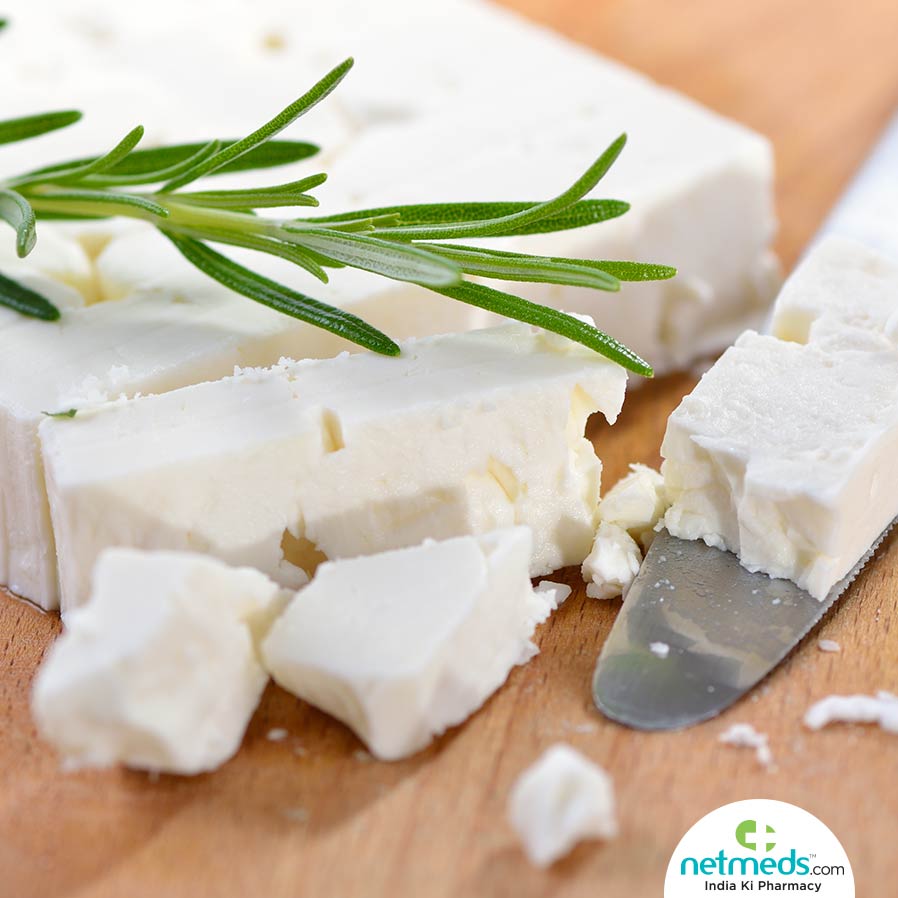
Let's unveil this "packed with good health" cheese:
1. Energy and lower fat content
Feta is lower in calories and fat than most other cheeses. According to Chef Priya Dikshit, "Due to its strong flavour, just one ounce as part of your meals is enough. This one-ounce serving contains 69 calories and only 5.9 grams of fat, of which 4.23 grams are saturated, while Cheddar has 9 gms of fat in a similar serving size". Feta cheese contains up to 1.9 per cent conjugated linoleic acid (CLA), a fatty acid known to help improve body composition, decrease fat mass and increase lean body mass.
2.Protein
In addition to good fats and calcium, feta has a high protein content, sitting at 4.8 grams of protein per 28-gram serving. Researchers have found that the protein in these products has a positive effect on insulin secretions and that the combination of calcium, magnesium, potassium, specific fatty acids and low glycaemic index sugars has beneficial effects on glucose control, insulin sensitivity, and insulin secretion. This, in turn, lowers your risk of developing type-2 diabetes.
3. Rich source of calcium
A 28 gms serving of feta cheese contains nearly 140 mg of calcium, making it one of the best dietary sources of calcium. Calcium is an essential component of the development and health of your body's bones and tooth enamel. This calcium, in combination with magnesium and vitamin D, is a potent anti-cancer mixture, according to research. The protein alpha-lactalbumin can be found in feta that binds to calcium and zinc ions and has been suggested to have antibacterial and antitumor properties. Feta is also high in phosphorus, iron, manganese, selenium, zinc and potassium.
4.Vitamins
Feta cheese packs in vitamin B6, Vitamin A and phosphorus. It also has 0.6 micrograms of vitamin B12. Another protein found in feta cheese nutrition is called histidine. When histidine is combined with vitamin B6, it undergoes a molecular process to become histamine, a compound that provides anti-inflammatory benefits.
5.Probiotics
Feta cheese also contains probiotics, which help the immune system fight infection and disease. It has been shown to contain Lactobacillus plantarum, which accounts for about 48 per cent of its bacteria. These bacteria can help promote immune system and gut health by protecting the intestinal tract from disease-causing bacteria like E. coli and Salmonella.
The one warning is to be watchful of the sodium content. Sodium is the only ingredient that one must be careful about. Feta is high in sodium and contains 266 mg of sodium in a one-ounce serving, which can account for up to 11 per cent of your RDI. A simple way to reduce the salt content of this cheese is to rinse it with water before eating it.
So, what are you waiting for? Go ahead and create your own concoction of feta cheese with anything you like. From your salad to your fruits to your roti, Feta can do wonders for your palate and your health.
Frequently Asked Questions
Is Feta Cheese Actually Healthy?
Yes, feta cheese can be a healthy addition to a wholesome diet. Loaded with protein, calcium, phosphorus, and vitamin B12, feta cheese supports muscle health, strong bones, and energy production. Compared to other cheese varieties, feta is lower in calories and fat, but it is relatively high in sodium, so it should be consumed in moderation.
Is It Healthy To Eat Feta Every Day?
Feta cheese can be consumed in small amounts, about 30-40 grams daily. Regular intake offers protein and calcium, but excessive consumption may increase sodium intake, which can contribute to high blood pressure in sensitive individuals. Pair it with vegetables, whole grains, and fruits for a balanced meal.
Is Feta Cheese Healthier Than Paneer?
Both offer unique nutritional and health benefits. Feta is generally lower in calories and fat, making it a better option for weight management. Paneer is higher in protein and calcium while containing less sodium, making it ideal for muscle building and bone health. The choice depends on your dietary goals and health needs.
What Are The Top 3 Healthiest Cheeses?
Some of the healthiest cheeses include:
Feta cheese: Lower in calories and rich in calcium and probiotics.
Cottage cheese: High in protein, low in fat, and suitable for weight management.
Mozzarella: Lower in sodium than many cheeses and a good source of protein and calcium.
Is Feta Cheese Good For Weight Loss?
Yes, feta cheese can support weight loss when eaten in moderation. Its high protein content promotes satiety, helping you feel fuller for longer, while its relatively low calorie and fat content compared to many other cheeses makes it a smart addition to calorie-controlled meals. Maintain portion size to avoid excess sodium and calories.
References:
Enhancement of low‐fat Feta cheese characteristics using probiotic bacteria
Ahmed M Hamdy 1, Mahmoud E Ahmed 1, Dipakkumar Mehta 2, Mohamed Salem Elfaruk 3,4, Ahmed R A Hammam 1,3,✉, Yaser M A El‐Derwy 1
https://pmc.ncbi.nlm.nih.gov/articles/PMC7802573/
Nutritional Characteristics of Prepacked Feta PDO Cheese Products in Greece: Assessment of Dietary Intakes and Nutritional Profiles
https://pmc.ncbi.nlm.nih.gov/articles/PMC7143250/
 Previous