Vitamin B6, called as pyridoxine, is a water-soluble vitamin that belongs to the group of the B complex family, which plays an important role in several bodily processes. It denotes the generic name of six elements (vitamers) with B6 action, which include pyridoxine, an alcohol, pyridoxal, an aldehyde, pyridoxamine, which consists of an amino group and 5 phosphate esters. Pyridoxal 5 phosphate (PLP) and pyridoxamine 5 phosphate (PMP) are the vital coenzymes of vitamin B6.
Pyridoxine plays a remarkable role in carbohydrate, protein and fat metabolism, production of red blood cells, brain development and maintaining the nervous system and immune system healthy. Vitamin B6 functions as a coenzyme in more than a hundred enzymatic reactions and is involved in several bodily functions. Evidence reveals that pyridoxine is beneficial for elevating mood, improving brain health, lowering the risk of Alzheimer’s, dementia and heart disease and functioning as an effective neurotransmitter.
Deficiency of vitamin B6 is usually very rare; individuals with malabsorption syndrome and kidney disease may have problems with absorption of this vitamin from the diet and may be deficient. Genetic disorder, medication, anemia and deficiency of vitamins B9 and B12 may also lead to pyridoxine deficiency.
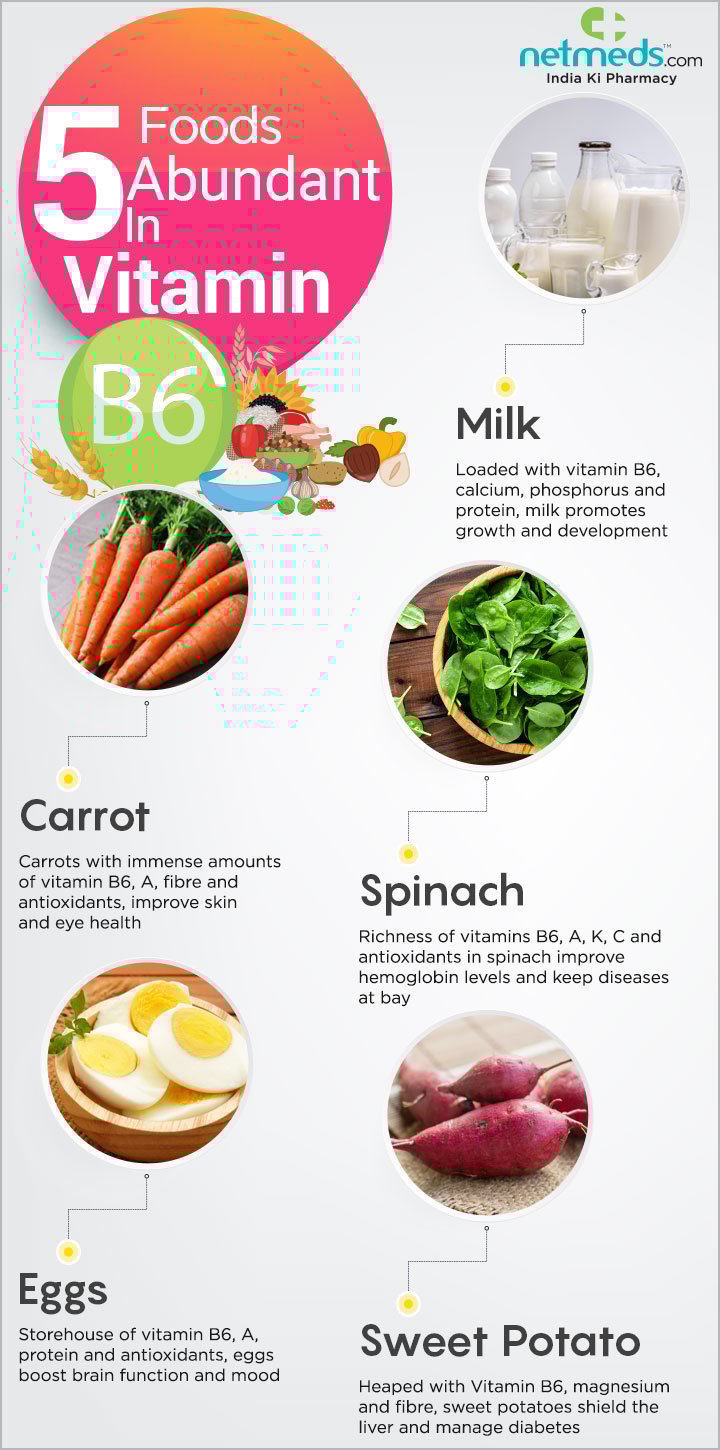
Pyridoxine is available in a wide range of dietary sources, which include milk and milk products, carrots, spinach, sweet potato and lean fish and meat products. As vitamin B6 is a water-soluble vitamin, the body does not store it, and any excess amount is excreted if the body does not require it. Pyridoxine is also available in the form of supplements.
The recommended dietary allowance of vitamin B6 for normal adult men and women is 2.0 mg/ d.
Frequently Asked Questions
Which Food Is Richest In Vitamin B6?
Some of the richest dietary sources of vitamin B6 include chickpeas, tuna, salmon, chicken breast, turkey, potatoes, bananas, and fortified cereals. Among plant-based choices, chickpeas are particularly high in vitamin B6 and can help meet daily nutritional requirements.
Is Vitamin B6 Good For High Cholesterol?
Vitamin B6 does not directly lower cholesterol levels, but it supports heart health by helping regulate homocysteine, an amino acid linked to cardiovascular disease when elevated. A balanced diet rich in vitamin B6, along with regular exercise and healthy lifestyle habits, may contribute to overall cardiovascular wellness and better cholesterol management.
Which Fruit Is Best For Vitamin B6?
Bananas are among the best fruit sources of vitamin B6. Other fruits that provide moderate amounts include avocados, papayas, prunes, watermelon, and cantaloupe. Including these fruits in your daily diet can help support energy metabolism, brain function, and immune health.
Are Eggs High In Vitamin B6?
Eggs contain vitamin B6, but they are not considered a particularly rich source. One large egg provides a small amount of the daily requirement. Combining eggs with other vitamin B6-rich foods such as whole grains, avocados, spinach, or bananas can help increase your intake.
What Breakfast Foods Are High In Vitamin B6?
Several nutritious breakfast foods are rich in vitamin B6, including:
Fortified whole-grain cereals
Oatmeal topped with bananas
Whole-wheat toast with avocado
Multigrain toast with eggs
Greek yogurt with nuts and seeds
Smoothies made with bananas, papaya, or watermelon
References:
https://www.nal.usda.gov/sites/default/files/page-files/Vitamin%20B-6.pdf
https://pmc.ncbi.nlm.nih.gov/articles/PMC4288272/
Vitamin B-61
Patrick J Stover 1,*, Martha S Field 1
 Previous