Urinary tract infections (UTIs) can be uncomfortable, disruptive, and sometimes recurring. The burning sensation, frequent urge to urinate, and pelvic discomfort can affect your daily routine and overall well-being. While medical treatment is essential, incorporating gentle yoga practices can support recovery and improve bladder health naturally.
Yoga works by enhancing blood circulation, reducing stress, and improving pelvic floor strength, all of which play a key role in maintaining urinary health. The best part? These poses are gentle, beginner-friendly, and can be practiced at home.
With consistent practice, these yoga poses can help ease discomfort, support bladder function, and promote overall relaxation.

Why Bladder Health Matters?
Your bladder is a vital organ responsible for storing and eliminating waste from the body. When it is not functioning optimally, it can lead to infections, discomfort, and frequent urination.
Factors that may affect bladder health include:
Poor hydration
Weak pelvic floor muscles
Poor hygiene habits
Also Read: UTI: Causes, Symptoms And Natural Remedies
How Yoga Helps With UTI Relief?
Yoga supports urinary health in multiple ways:
Improves blood circulation to pelvic organs
Strengthens pelvic floor muscles
Reduces stress and inflammation
Promotes relaxation and healing
Encourages better body awareness
Gentle stretching and mindful breathing can ease discomfort and support the body’s natural healing process.
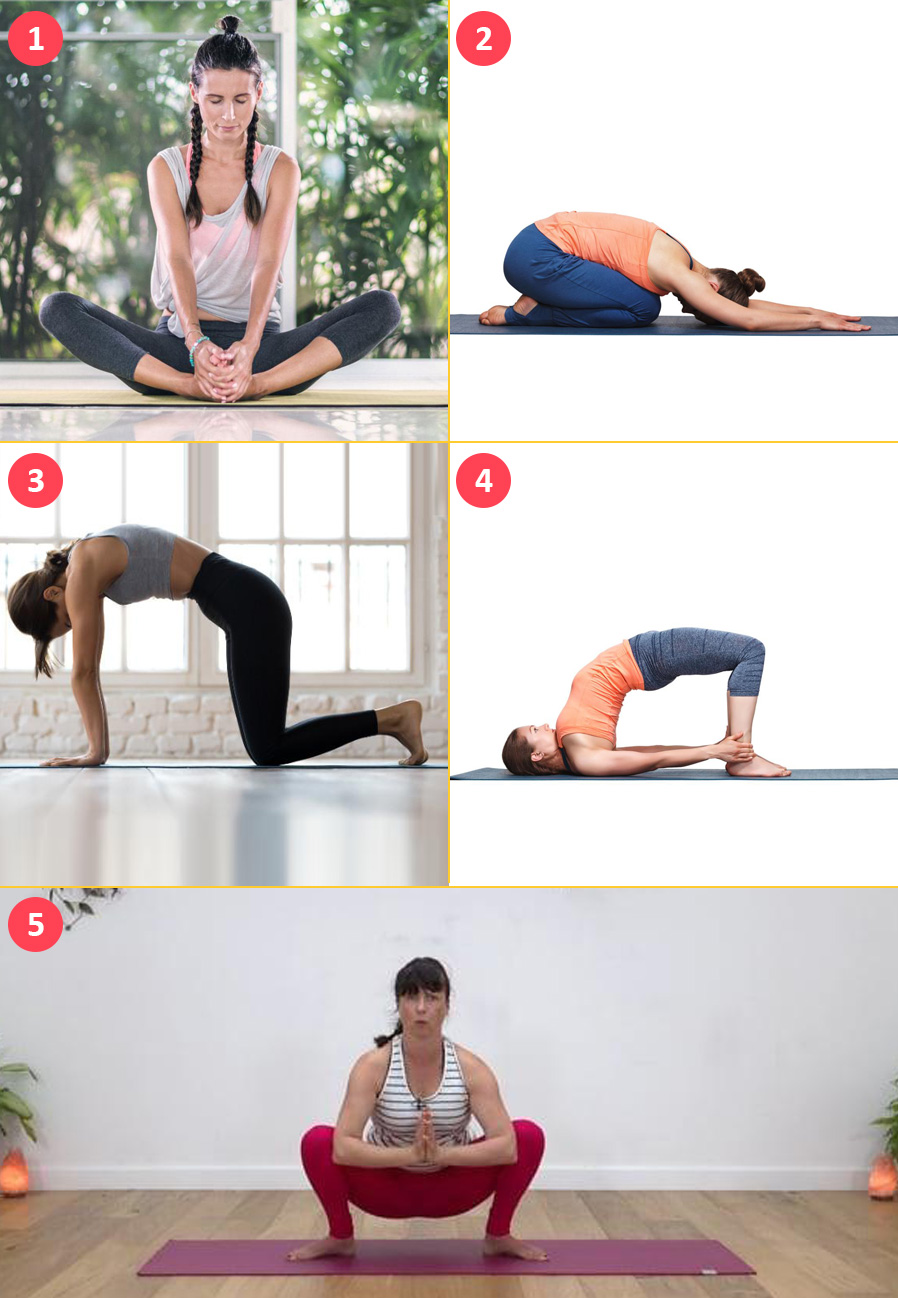
7 Best Yoga Poses For UTI Relief
Bound Angle Pose (Baddha Konasana)
Sit with your feet together and knees dropped to the sides. Hold your feet and gently press your knees toward the ground.
Benefits:
The Bound angle pose improves blood flow to the pelvic region and helps relax the bladder muscles.
Child’s Pose (Balasana)
Kneel on the floor, sit back on your heels, and stretch your arms forward while lowering your forehead to the mat.
Benefits:
Practicing Balasana relieves pelvic tension, reduces stress, and promotes relaxation.
Cat-Cow Pose (Marjariasana-Bitilasana)
Alternate between arching and rounding your back while on all fours, syncing movement with breath.
Benefits:
The Cat-Cow pose enhances circulation and gently stimulates abdominal and pelvic organs.
Bridge Pose (Setu Bandhasana)
Lie on your back, bend your knees, and lift your hips upward while keeping your feet grounded.
Benefits:
The Bridge pose strengthens pelvic muscles and supports bladder control.
Garland Pose (Malasana)
Squat down with your feet flat and bring your palms together in front of your chest.
Benefits:
Malasana strengthens pelvic floor muscles and improves bladder function.
Bonus Tips For Better Results
Stay well-hydrated throughout the day
Practice yoga 4–5 times a week
Maintain proper hygiene
Avoid holding urine for long periods
Include a balanced, nutrient-rich diet
Practice deep breathing for relaxation
Who Should Practice These Poses?
Individuals experiencing mild UTI discomfort
People with weak pelvic floor muscles
Those prone to recurrent UTIs
Beginners looking for gentle healing practices
Anyone aiming to improve urinary and pelvic health
Precautions
Avoid practicing during severe infection or pain
Do not strain or overstretch
Maintain proper hygiene before and after practice
Pregnant women should consult a professional
Stop immediately if discomfort increases
Note: Yoga can support relief but is not a replacement for medical treatment. Always consult a healthcare professional for proper diagnosis and care.
Conclusion
UTIs can be uncomfortable, but gentle lifestyle changes can make a big difference. By incorporating these simple yoga poses into your routine, you can support bladder health, reduce discomfort, and promote overall well-being.
Consistency and mindfulness are key. Start slow, listen to your body, and allow these gentle movements to support your healing journey naturally.
Your path to better bladder health begins with a calm breath and a simple stretch.
References:
1. https://www.ncbi.nlm.nih.gov/pmc/articles/PMC5843960/
2. https://www.health.harvard.edu/staying-healthy
3. https://www.nccih.nih.gov/health/yoga-what-you-need-to-know
 Previous