Every year, World Prematurity Day shines a big spotlight on babies born too soon. It is not just about helping them survive those first fragile days; it is about making sure they get the chance to grow up strong, learn, and chase their dreams like any other child. In 2026, the day falls on Sunday, November 15, and the theme is "Small babies, big potential. Invest in follow-up care to protect their future!” This year's message asks all of us, parents, doctors, policymakers, and communities, to think beyond the hospital walls. It is a wake-up call: support premature children at every step, so they don’t fall through the cracks once they leave the NICU.
Let us backtrack a little. What does “premature birth” actually mean? Well, it happens when a baby arrives before 37 weeks of pregnancy. Thanks to advances in medical care, more premature babies survive than ever before. Yet, that is not the end of their journey. Many of these tiny fighters face a higher risk of health problems after going home, trouble with breathing, feeding, vision, hearing, or hitting developmental milestones.
Shop From Our Wide Range Of Wellness Supplements For Boosting Health And Immunity
Now, don’t think talking about these risks is meant to scare parents. That is not the point. It is about knowing what to look out for, asking the right questions, and making sure your child gets the care they deserve, one appointment at a time.
So, What Exactly Is World Prematurity Day?
World Prematurity Day is all about raising awareness for babies born too early and supporting the families who love them. It also pushes governments and health services to close gaps in care, no matter where families live or their ability to pay. Starting 2026, the World Health Organization set the date as November 15 to clear up confusion with other health days (it used to be November 17).
World Prematurity Day 2026 Theme
This year’s theme: “Small babies, big potential. Invest in follow-up care to protect their future!” drives home one big idea. It is not enough for preterm babies to survive the NICU, they need structured care after they go home. That means regular check-ins for breathing, feeding, growth, hearing, vision, movement, and development. With the right support, complications that threaten a child’s future can be prevented or managed.
Also Read: World Prematurity Day 2019: Proven Ways To Care Your Premie For A Healthy Growth
Why Does Prematurity Matter?
Numbers don’t lie: about one in every ten babies worldwide is born preterm. Some of these babies face immediate challenges like trouble breathing, fighting infections, or keeping warm. But the struggle doesn’t always end when they leave the hospital. Over time, some take longer to walk, talk, or see and hear clearly compared to their full-term peers.
The earlier a baby arrives, especially before 32 or even 28 weeks, the higher the risks. Still, every preterm baby’s story is unique, and with the right help, so many grow up to lead healthy, happy lives.

7 Major Health Risks Preterm Babies Face
Breathing Problems and Respiratory Distress
Tiny lungs just aren’t always ready for the outside world, especially when babies arrive ahead of schedule. Without enough surfactant, a slippery fluid that helps keep their little air sacs open, premature babies can run into serious trouble like respiratory distress syndrome (RDS). Sometimes they need extra oxygen, breathing machines, or both. Some even develop a stubborn lung condition called bronchopulmonary dysplasia (BPD), which makes them catch colds and lung infections more easily down the road. That is why doctors watch their breathing and growth closely, even after they head home.
Infections and Sepsis
Premature babies aren’t born with strong immune defences, and their delicate skin can let germs sneak in. It is alarmingly easy for a minor infection to get serious fast, turning into sepsis. Hospitals use strict hygiene rules and sometimes preventive antibiotics, but parents need to stay alert. Signs like poor feeding, unusual sleepiness, trouble breathing, fever, or a blue tint to lips and skin shouldn’t be ignored; get medical advice fast.
Trouble Keeping Warm
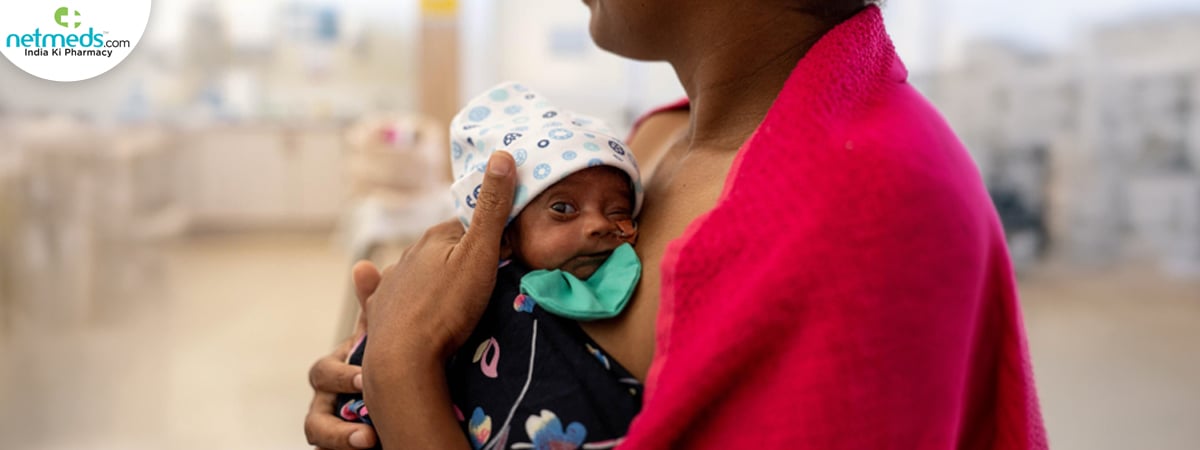
With less fat and thinner skin, preemies lose heat in a flash. Hypothermia, dangerously low body temperature, can mess with their breathing and blood sugar and make them more likely to get sick. To help, hospitals use incubators, warm blankets, and skin-to-skin “kangaroo care", where parents hold their baby close, chest to chest.
Feeding Difficulties and Growth Delays
Feeding is not always simple; many premature babies haven’t mastered sucking, swallowing, and breathing at the same time. They might need a feeding tube, pumped breast milk, fortified formula, or just extra patience. Some preemies also develop necrotising enterocolitis (NEC), a serious gut condition. When feeding doesn’t go smoothly or growth stalls, the risks for later challenges climb, but early support makes a difference.
Brain Bleeding and Neurodevelopmental Delays
A baby’s brain races to develop in the last weeks of pregnancy, so being born early means that growth gets interrupted. That raises the chances of brain bleeds, like intraventricular haemorrhage (IVH), or not getting enough oxygen to the brain. These problems can show up later as learning difficulties, movement challenges, or even cerebral palsy. The earlier a baby is born, the bigger the risks, but spotting delays early and starting therapies like physical, occupational, or speech therapy really gives kids their best shot at healthy development.
Vision Issues: Retinopathy of Prematurity (ROP)
With ROP, strange blood vessels start growing in the eyes of premature babies. If nobody catches it, it can steal their sight. The tiniest and sickest preemies, especially those who spent a lot of time on oxygen, stand at the highest risk. Regular eye checks and, if needed, laser therapy help protect their vision so they can keep exploring the world.
Hearing Loss and Other Sensory Challenges
Premature birth makes hearing loss more likely, anything from slight trouble picking up sounds to complete deafness. Missing these problems early means a child can fall behind with speech, learning, and connecting to others. Regular hearing screenings and prompt therapies, like speech therapy, help preemies stay in step with their world right from the start.
What Should Parents Do?
Show up for every NICU follow-up and check-up, even if your baby looks fine. Ask about screenings for vision, hearing, feeding, breathing, growth, and development. Practice safe skin-to-skin care if your child’s doctor gives the go-ahead. Track milestones, but remember, your baby will likely reach some milestones based on their original due date, not their birthday. Most importantly, trust your instincts: see a doctor right away if your baby stops feeding well, turns blue, has long pauses in breathing, runs a high fever, seems hard to wake, or acts “off” in any way.
Conclusion
World Prematurity Day 2026 isn’t just another date; it is a rallying cry. Every preterm baby has enormous potential, but they need support that doesn’t end when they leave the hospital. Quality NICU care, ongoing follow-ups, early screening, and parents who know what questions to ask all play a part. On November 15, let us stand with families of preemies everywhere and make sure every small fighter gets the strong start they truly deserve.
References:
WHO — World Prematurity Day: https://www.who.int/campaigns/world-prematurity-day who
WHO — Challenges facing preterm babies: https://www.who.int/news-room/questions-and-answers/item/newborn-health-challenges-facing-preterm-babies who
Global Preterm Infant Care Network — World Prematurity Day 2026 slogan: https://www.gfcni.org/campaigns/world-prematurity-day gfcni
PMC — Complications of preterm birth: https://pmc.ncbi.nlm.nih.gov/articles/PMC11205595/ pmc.ncbi.nlm.nih
PMC — Long-term health outcomes of preterm birth: https://pmc.ncbi.nlm.nih.gov/articles/PMC12055779/ pmc.ncbi.nlm.nih
PMC — Follow-up care after extremely preterm birth: https://pmc.ncbi.nlm.nih.gov/articles/PMC9528778/ pmc.ncbi.nlm.nih
PMC — Neurodevelopmental, psychiatric and sensory outcomes: https://pmc.ncbi.nlm.nih.gov/articles/PMC12326878/ pmc.ncbi.nlm.nih
PMC — Beyond survival: lasting effects of premature birth: https://pmc.ncbi.nlm.nih.gov/articles/PMC10360124/ pmc.ncbi.nlm.nih
 Previous