Every year on April 2, the world comes together to observe World Autism Awareness Day, a global initiative dedicated to increasing understanding, acceptance, and support for individuals living with autism spectrum disorder (ASD). In recent years, the focus has shifted from mere awareness to acceptance, inclusion, and empowerment, encouraging societies to embrace neurodiversity as a natural and valuable part of human variation.
Also Read: Simple Ways To Keep A Child With Autism Engaged & Happy
With growing conversations around mental health and developmental conditions, 2026 brings a fresh and meaningful perspective, one that celebrates individuality and challenges outdated stereotypes about autism.
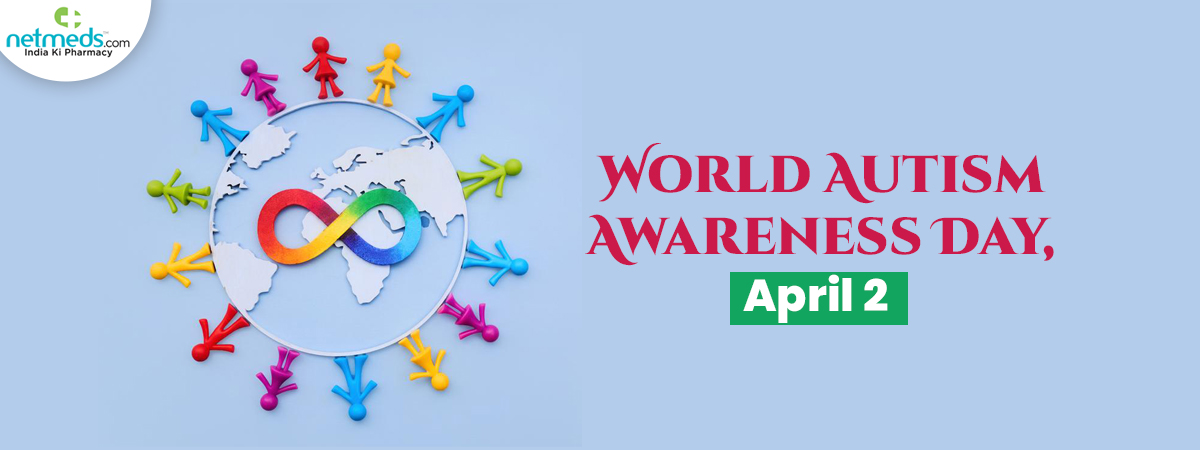
World Autism Awareness Day 2026 Theme
The theme for World Autism Awareness Day 2026 revolves around the idea of celebrating diversity through a spectrum of colours. It highlights that autism is not a limitation but a reflection of vibrant individuality, varied abilities, and unique perspectives.
Also Read: 5 Ways You Can Support The Differently-Abled
Rather than viewing autism through a narrow or restrictive lens, this theme encourages the world to recognise the richness, creativity, and dynamic nature of individuals on the spectrum. It also calls for inclusive global policies, equal healthcare access, and supportive social environments, ensuring that individuals with autism can thrive with dignity and opportunity.
In essence, the 2026 theme promotes:
Appreciation of neurodiversity as a strength
Breaking the myth of a ‘one-size-fits-all’ experience
Encouraging inclusion in education, healthcare, and employment
Celebrating the colourful spectrum of human minds
What Is Autism Spectrum Disorder (ASD)?
Autism Spectrum Disorder (ASD) is a neurodevelopmental condition that affects how a person communicates, interacts socially, and processes information. It is called a ‘spectrum’ because individuals experience it in different ways, ranging from mild to more complex challenges.
Some common characteristics include:
Differences in communication and language skills
Repetitive behaviors or focused interests
Sensory sensitivities (to light, sound, textures, etc.)
Unique ways of learning and thinking
It is important to understand that autism is not a disease, it is a different way of experiencing the world.
Significance Of World Autism Awareness Day
World Autism Awareness Day is more than just a symbolic event; it plays a crucial role in shaping a more inclusive and informed society.
Promotes Awareness And Understanding
Many people still lack accurate information about autism. This day helps spread scientifically backed knowledge, reducing confusion and misinformation.
Encourages Early Diagnosis And Intervention
Raising awareness enables parents and caregivers to recognise early signs, leading to timely intervention that can significantly improve outcomes.
Fights Stigma And Discrimination
By normalising conversations around autism, the day helps dismantle social stigma and harmful stereotypes.
Advocates For Inclusion
It highlights the importance of creating inclusive schools, workplaces, and communities where individuals with autism feel valued.
Supports Families And Caregivers
Families of autistic individuals often face emotional and social challenges. This day fosters community support and empathy.

5 Common Misconceptions About Autism Debunked
Despite growing awareness, several myths about autism continue to persist. Let us break down some of the most common ones:
Myth #1:
Autism Is A Disease That Needs To Be Cured
Reality:
Autism is not an illness; it is a neurodevelopmental condition. It does not require a ‘cure’ but rather understanding, acceptance, and support.
Myth #2:
People With Autism Lack Emotions
Reality:
Individuals with autism experience emotions deeply, but they may express them differently. They can form meaningful relationships and show empathy in unique ways.
Myth #3:
Autism Only Affects Children
Reality:
Autism is a lifelong condition. Children with autism grow into adults who continue to need understanding and inclusion.
Myth #4:
All Autistic Individuals Are The Same
Reality:
Autism exists on a broad spectrum. Each individual has distinct strengths, challenges, and personalities.
Myth #5:
Poor Parenting Causes Autism
Reality:
This is a harmful and outdated belief. Autism is influenced by genetic and neurological factors, not parenting style.
How To Support Autism Awareness In Everyday Life
Creating a more inclusive world doesn’t require grand gestures; small, consistent actions can make a big difference.
Educate yourself and others about autism
Use respectful and inclusive language
Support autism-friendly workplaces and schools
Encourage acceptance rather than judgment
Celebrate differences instead of trying to ‘fix’ them
Conclusion
World Autism Awareness Day 2026 reminds us that autism is not something to be feared or misunderstood; it is something to be recognised, respected, and embraced. The theme beautifully reinforces the idea that every individual on the spectrum brings their own colour, perspective, and brilliance to the world.
By challenging misconceptions and promoting inclusion, we can move toward a society where every mind is valued, and every voice is heard.
 Previous