


India is currently witnessing an intense debate around rising stray dog populations, public safety concerns, and animal welfare. Stray animal population control is a challenging issue in our country, and it has garnered significant attention in recent months. Citizens, animal rights activists, veterinarians, and courts are increasingly advocating pet sterilisation and vaccination as a humane, effective, and long-term solution. By and large, an effective solution, sterilisation of animals helps control uncontrolled population growth, supports pet health and longevity, curbs aggressive animal behaviour, and promotes peaceful coexistence between humans and animals. By choosing to spay or neuter their pets, owners actively protect countless other dogs and cats from suffering and premature death.
In this article, we explore why pet sterilisation is important, how it benefits animals and communities, and how pet lovers can make informed decisions.
Shop From Our Range Of Dog Supplements, Your Pet’s Need For A Healthy Life
Is Spaying Or Neutering Harmful For Pets?
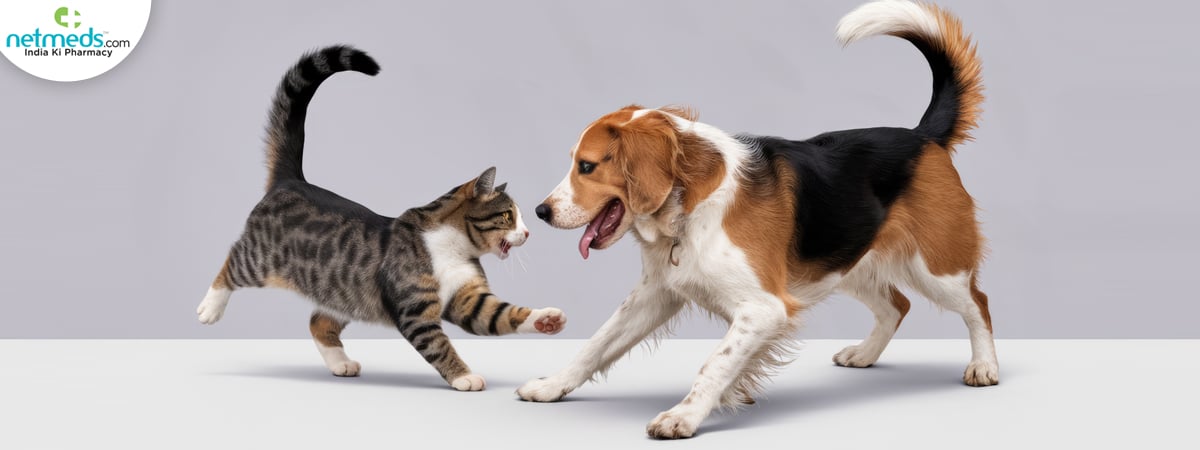
A common concern among pet owners is whether pet sterilisation is harmful. The answer is, No! Spaying and neutering are very safe and routine veterinary procedures performed worldwide. Like any surgery, there are minimal risks associated with anaesthesia and recovery, but these risks are extremely low when the procedure is done by a licensed veterinarian. Most pets recover quickly within a few days and resume normal activity shortly. Some people worry that sterilisation will change their pet’s personality or cause weight gain. However, a pet’s core personality remains unchanged, and pet weight gain can be easily managed with proper diet and exercise. In fact, sterilised pets often become calmer, more focused, and less stressed due to reduced hormonal fluctuations.
Also Read: Pet Challenges: 5 Everyday Problems Every Pet Owner Comes Across. Tips To Solve
Top Benefits Of Pet Sterilisation For Pets And Stray Animals
A compassionate, preventive healthcare choice rather than a harmful one, from a long-term health perspective, the benefits of sterilisation far outweigh the risks. By choosing spaying or neutering, every pet owner and every animal lover can contribute to a healthier, safer, and kinder world for animals.
Here are the major benefits of pet sterilisation for animals:
- Pet sterilisation helps reduce the spread of contagious diseases among stray and community animals
- It minimizes aggressive encounters and territorial fights caused by mating instincts
- Sterilisation lowers overcrowding in shelters and reduces the number of animals living on the streets
- Rescued pets benefit from better living conditions and higher chances of successful adoption
- Animal shelters can focus more on medical care, rehabilitation, and adoption rather than crisis population control
- It reduces competition for food and shelter, allowing animals to live healthier and less stressful lives
- Sterilisation prevents serious medical conditions like mammary tumours, testicular cancer, and life-threatening uterine canine and feline infections
- Sterilisation also reduces the urge to roam, lowering the risk of accidents, fights, and injuries.
Conclusion
Pet sterilisation is a smart, humane choice that benefits both animals and communities alike. It helps control stray populations, reduces health risks, curbs aggressive behaviour, and ensures better living conditions for rescued pets. By spaying or neutering their pets, owners protect their own animals, support fellow pets, and empower communities to manage strays effectively. This helps in building a safer, healthier, and more compassionate world for all animals.
References:
Pet ownership and human health: a brief review of evidence and issues
Croit Cullach, Durnamuck, Dundonnell, Ross-shire, Massey University, New Zealand
https://www.ncbi.nlm.nih.gov/pmc/articles/PMC1289326/
https://www.internalmedicineforpetparents.com/store/p9/one-month-pet-health-journal.htm
 Previous


