


White ginger (Mondia Whitei) also called tonic root, is a versatile high-climbing vine native to various regions of South, Central, East, and West Africa. An enchanting herb, with aromatic ginger-like taste, it has gained popularity owing to its aphrodisiac properties.
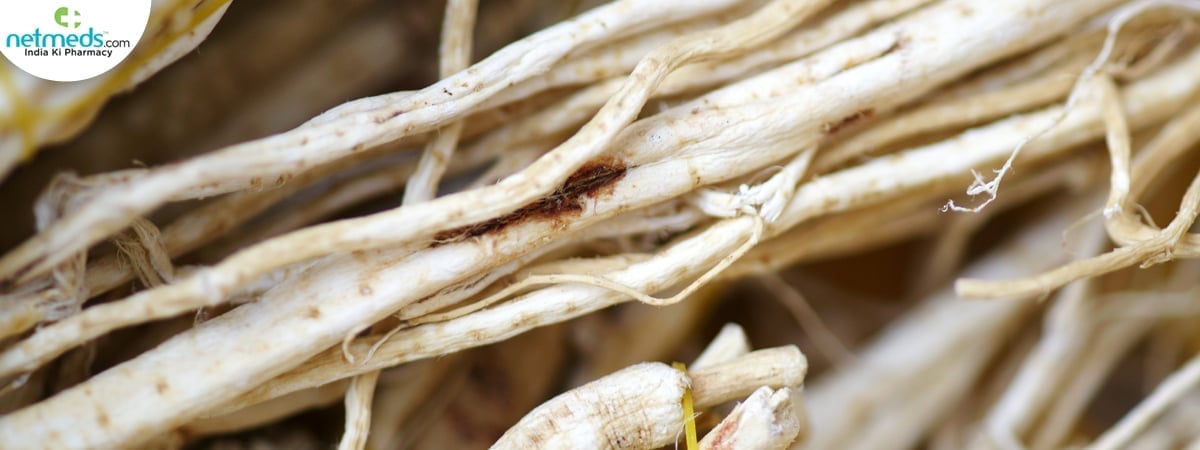
With a large tuberous rootstock, heart-shaped leaves, and red-purple flowers developing into seedpods, the plant offers various culinary uses despite its slightly bitter-tasting roots. The article delves into fragrant white ginger's health benefits, uses, and precautions.
Also Read: Catuaba Herb: Uses, Sexual Health Benefits Of This Aphrodisiac Wonder
African native, White’s ginger has primarily gained popularity for its aphrodisiac properties. The plant has large, glossy, dark green leaves with a cordate base and reddish-purple flowers. Due to its widespread use and exploitation throughout Africa, it has become increasingly rare posing a risk of extinction. Thus, it falls in the category of an endangered herb. The roots and leaves of white’s ginger have been utilized for medicinal purposes since age-old times. The plant can address male infertility issues, promote sexual arousal, enhance sexual performance, increase sensitivity, and treat erectile dysfunction in men. The natural enzyme of white ginger can potentially improve digestive health and its anti-inflammatory properties may alleviate symptoms related to conditions such as irritable bowel syndrome.
Shop From Our Wide Range Of Sexual Health Supplements
Is White’s Ginger And Ginger The Same?
White’s Ginger and regular ginger we use in the kitchen are not similar. Culinary ginger used in cooking comes from a tropical plant called Zingiber officinale. White’s Ginger is different but does offer culinary uses like the regular ginger. One of the best things about the herb is its delightful vanilla-like aroma. The root has a sweet aftertaste, so people either chew its root or prepare it as an herbal beverage. In South African cuisine, the leaves are sometimes substituted for spinach, while the root is sometimes incorporated to enhance flavour. The dried leaves can be easily powdered and consumed as an herbal decoction or a health supplement.
Also Read: Horny Goat Weed: Improve Your Sexual Wellness With This Hearty Herb- Infographic
White Ginger was traditionally used to treat various ailments and is regarded as a high-value medicinal plant in the present times. Here are some health benefits of this fragrant herb:
Enhances Sexual Health
Traditionally used as an aphrodisiac, it actively improves male sexual health by increasing testosterone levels. As a result, it can help promote better blood flow and enhance erections and libido. For women, it has shown promise in boosting vaginal lubrication and overall sexual satisfaction.
Supports Energy Boost
The white ginger contains compounds that stimulate the central nervous system. It boosts energy levels, reduces fatigue, and improves cognitive function.
Bolsters Overall Wellness
Alongside its medicinal properties, white ginger contains vital vitamins such as A, D, E, and K and essential minerals like magnesium, iron zinc, and even traces of calcium. Vitamin A helps to keep the vision sharp, and Vitamin K is great with blood clotting and bone health.
Augments Bone Health
Vitamin D present in the herb teams up with calcium for strong bones and enhance muscle strength. Magnesium supports muscles and nerve functioning while zinc can bolster immune health and promote wound healing.
May Help Relieve Stress
White Ginger could help manage stress because it is believed to possess anti-inflammatory and antioxidant powers. These characteristics play a role in reducing stress and promote relaxation.
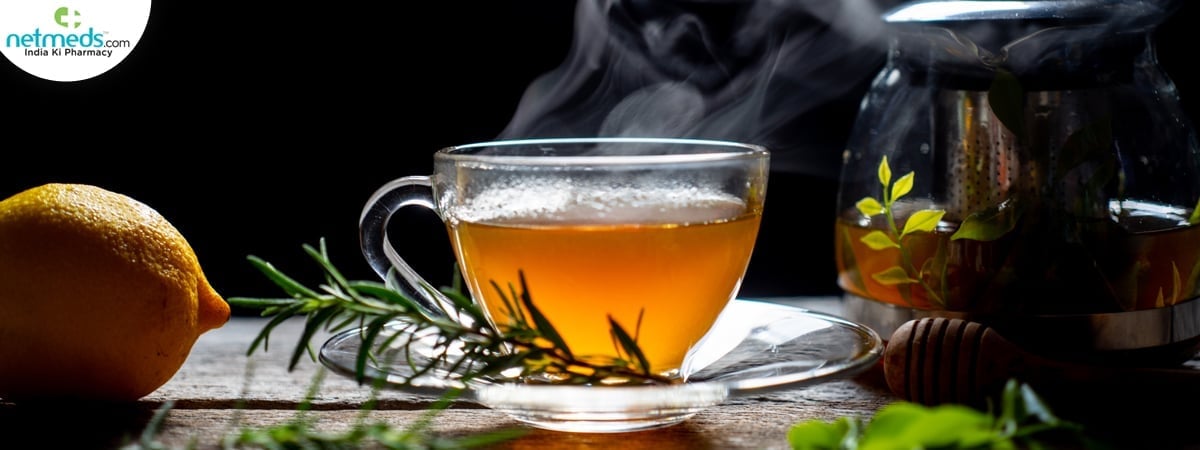
How To Make White’s Ginger Drink?
If you are planning to use the herb to enhance sexual function, try this rejuvenating naturally caffeine-free herbal drink. Ideally a cup should be consumed 2-3 hours before activity for sexual well-being. It can also be consumed as a tonic more than once a day.
- Pour boiling water over the herb or mix powder into boiled water
- Leave it to draw for one to two hours
- When it becomes cold, leave it overnight to refrigerate
- The next morning, it is ready to be consumed cold or can be warmed up too
- Add a dash of lime to enhance its taste
Side Effects Of Using White’s Ginger
Side effects and allergies to white’s ginger are rare but it can happen. They usually can show up as redness or skin rashes. Eating in excess may cause side effects like gas, heartburn, or mouth ulcers. Thus, it is advisable to consult a health professional before consuming it more than once daily.
Frequently Asked Questions
What Are The Health Benefits Of White Ginger?
White ginger (fresh ginger) is widely valued in traditional medicine and modern nutrition for its potent health-benefiting qualities:
Improves digestion and relieves bloating, gas, and indigestion.
Reduces nausea, which is helpful for motion sickness and morning sickness.
Boosts immunity due to its powerful antioxidant and antimicrobial actions.
Relieves inflammation and pain, especially joint pain and muscle soreness.
Supports respiratory health by easing cough, cold, and sore throat.
Helps regulate blood sugar levels when consumed in moderation.
Improves circulation and promotes overall metabolic health.
How To Make White Ginger Tea For Health Benefits?
Simple Ginger Tea Recipe:
Ingredients:
1-inch fresh white ginger (crushed or sliced)
1½ cups water
Honey or lemon (optional)
Method
Boil water in a pan and add ginger, and simmer for 5–10 minutes.
Strain into a cup.
Add honey or lemon if desired.
The best time to drink is morning or evening.
How To Consume White Ginger?
White ginger can be consumed in several healthy ways:
White ginger tea or an infused herbal drink.
Grated or chopped in meals, while cooking.
Added to salads, soups, or stir-fries to enhance flavour.
Limit intake to 2–4 grams per day to avoid stomach irritation.
What Is The English Name For White Ginger?
The scientific name of white ginger is Zingiber officinale.
“White ginger” usually refers to fresh or young ginger with a pale interior, as opposed to dried or mature ginger.
References:
Antiepileptic activities of the extract and fractions of Mondia whitei (Hook f.) Skeel leaves
Adediwura A. Fred-Jaiyesimi, Oluwatosin F. Ogunjobi
https://www.sciencedirect.com/science/article/abs/pii/S0975357513000771
https://pza.sanbi.org/mondia-whitei
 Previous


