The GLP-1 diet has gained popularity in recent years, together with weight loss therapies. Growing awareness of the importance of maintaining metabolic health has driven greater interest in these dietary practices. However, even with increasing buzz, most people are still not very clear about what this diet means or how to follow it regularly.
(For Better Blood Sugar Control, Shop From Our Wide Portfolio Of Diabetes Care Products)
Explore this article to unravel what the GLP1 diet is, how it affects your health, foods to include and avoid and how to follow this dietary pattern.
What Is the GLP-1 Diet?
The GLP-1 diet is a dietary pattern specifically formulated to naturally complement the impacts of glucagon-like peptide-1 (GLP-1) receptor agonists, a type of medication used to regulate type 2 diabetes and obesity.
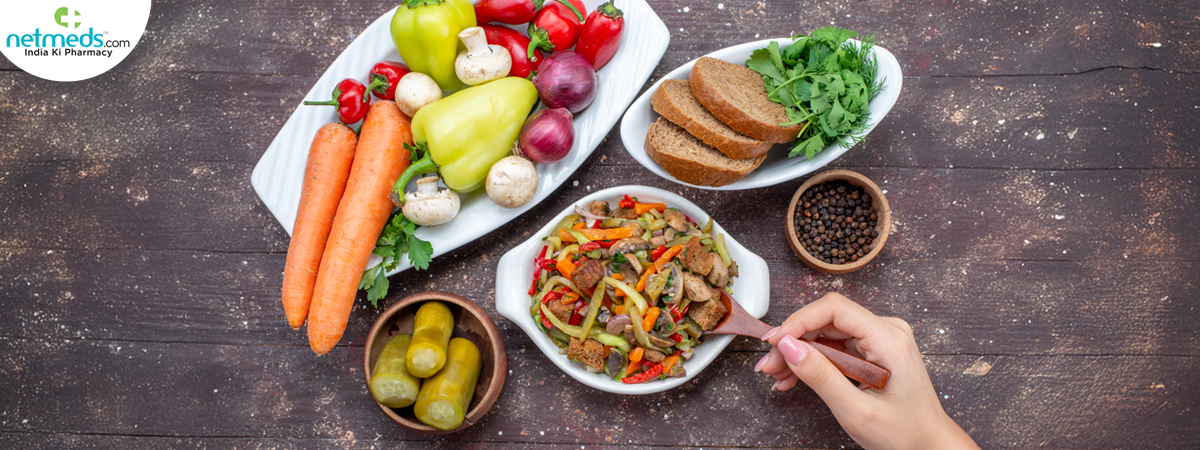
This diet majorly focuses on incorporating whole foods that stabilise blood sugar levels, promote satiety, and decrease digestive discomfort. Thus, supporting people who follow it to achieve better medication outcomes and overall metabolic well-being.
The diet highlights adding lean proteins, fibre-rich vegetables, healthy fats and whole grains, while restricting processed and junk foods, which may worsen side effects.
GLP-1 is released in the gut after eating and plays several important roles:
Signals fullness to the brain
Slows gastric emptying time.
Reduces appetite.
Helps regulate insulin and blood sugar levels.
The key goal of this diet plan is to choose foods that naturally promote hormone and metabolic balance, then preferring highly processed foods that disrupt hunger signals.
Also Read: Diabetes Care: Manage Blood Sugar Levels With Smart Carbohydrate Choices
How the GLP-1 Diet Impacts Health
Manages Weight
The GLP-1 diet promotes the feeling of fullness that helps reduce overeating and control unwanted cravings. This diet makes it easier to maintain weight within a healthy range and also shed surplus kilos.
Improves Blood Sugar Control
Foods that support GLP-1 release tend to have a low glycemic impact, which prevent sudden surge in blood sugar levels, stabilises blood sugar levels, and may reduce the risk of type 2 diabetes.
Supports Metabolic Health
The diet encourages adding a rich array of whole foods packed with fiber, protein, and healthy fats, which triggers metabolism and energy regulation.
Reduces Hunger and Cravings
A well-balanced and nutritious diet averts sharp surges and sudden crashes in blood sugar levels. This reduces the cravings and unwanted binge eating throughout the day.
Promotes Heart Health
The GLP-1 diet encourages having whole foods like vegetables, complex grains, and healthy fats, which help reduce LDL and total cholesterol levels. Thus, maintaining a lipid profile and reducing the risk of cardiovascular diseases.
Foods to Eat on a GLP-1 Diet
High-Fiber Foods
Dietary fiber slows digestion and boosts GLP-1 release.
Leafy greens such as spinach, moringa, kale, and lettuce.
Broccoli and cauliflower.
Carrots and beans.
Whole grains like oats, wheat, and barley.
Lentils and chickpeas.
Lean Protein Sources
A protein-rich diet helps control appetite and keeps you satiated.
Eggs
Chicken and turkey
Fish (salmon, sardines, tuna)
Tofu and tempeh
Greek yogurt
Paneer
Healthy Fats
Healthy fats are beneficial in delaying stomach emptying and improving satiety.
Avocados
Nuts and seeds
Olive oil
Flaxseeds and chia seeds
Whole Grains
Choose from a rich array of complex carbs loaded with dietary fiber and essential nutrients instead of refined grains.
Also Read: 5 Fruits Low On Glycemic Index That Are Good For Diabetics-Infographic
Brown rice
Quinoa
Millets
Whole wheat
Steel-cut oats
Fermented Foods
Fermented foods are a good source of probiotics that support gut health, which influences GLP-1 release.
Yogurt
Kefir
Idli and dosa (fermented batter)
Kimchi
Sauerkraut
Foods to Avoid or Limit
Ultra-Processed Foods
Processed and junk foods disrupt hunger hormones and increase cravings.
Packaged snacks
Fast food
Instant noodles
Sugary cereals
Refined Carbohydrates
They cause rapid blood sugar spikes.
White bread
White rice in excess
Pastries
Cakes and biscuits
Sugary Drinks
Liquid sugar doesn’t promote fullness.
Soft drinks
Energy drinks
Sweetened juices
Milkshakes
Excess Added Sugar
High sugar intake reduces metabolic balance.
Candy
Desserts
Sweetened packaged foods
Deep-Fried Foods
These are high in unhealthy fats and calories.
Fried snacks
Chips
Pakoras and fries (frequent intake)
How to Follow a GLP-1 Diet?
Focus On Balanced Meal
A well-planned meal regimen including all the key components of a balanced diet, such as:
Protein
Fiber
Healthy fat
Complex carbohydrates
The right combination of macronutrients keeps you satiated longer and stabilises blood sugar.
Mindfully Eating
The GLP-1 diet works best when you give your body time to recognise fullness. Eating slowly and chewing every bite mindfully helps prevent overeating.
Choose Whole Foods
Go for whole natural, fresh foods and avoid minimally processed foods.
Good hydration
Staying well hydrated supports the normal digestive process, regularises bowel movement and controls appetite.
Maintain Meal Timing
Skipping meals can disrupt hunger hormones and lead to overeating later in the day.
Add Protein at Every Meal
Protein is valued as the strongest trigger for satiety hormones. Adding an adequate amount of superior-quality protein at every meal reduces calorie intake and keeps you satiated.
Get Enough Sleep
Poor sleep schedule impedes appetite hormones and reduces the effectives GLP1 drug. Ensure you get at least 7-8 hours of sound sleep every day.
Who Can Benefit From the GLP-1 Diet?
This diet may be especially beneficial for:
People who are trying to lose weight and maintain a healthy weight range.
People with insulin resistance.
Individuals with prediabetes or type 2 diabetes.
Those looking to improve metabolic health and stay healthy.
Conclusion
The GLP-1 diet is not a restrictive diet plan or a very strict meal regimen; it’s a sustainable and mindful way of eating that focuses on incorporating whole, natural foods. This supports your body’s natural hunger and metabolism signals. In contrast, it highlights the importance of including fiber, quality protein and healthy fats in every meal, and restricting processed foods and sugar. Thereby, it promotes satiety, stabilises blood glucose levels and optimises overall health.
References:
Dietary intake by patients taking GLP-1 and dual GIP/GLP-1 receptor agonists: A narrative review and discussion of research needs
Sandra Christensen a, Katie Robinson b, Sara Thomas b, Dominique R Williams b,
https://pmc.ncbi.nlm.nih.gov/articles/PMC11340591/
I Am Taking a GLP-1 Weight-Loss Medication—What Should I Know?
Farhad Mehrtash, MPH1; Jody Dushay, MD, MMSc2; JoAnn E. Manson, MD, DrPH3
https://jamanetwork.com/journals/jamainternalmedicine/fullarticle/2836527
 Previous