


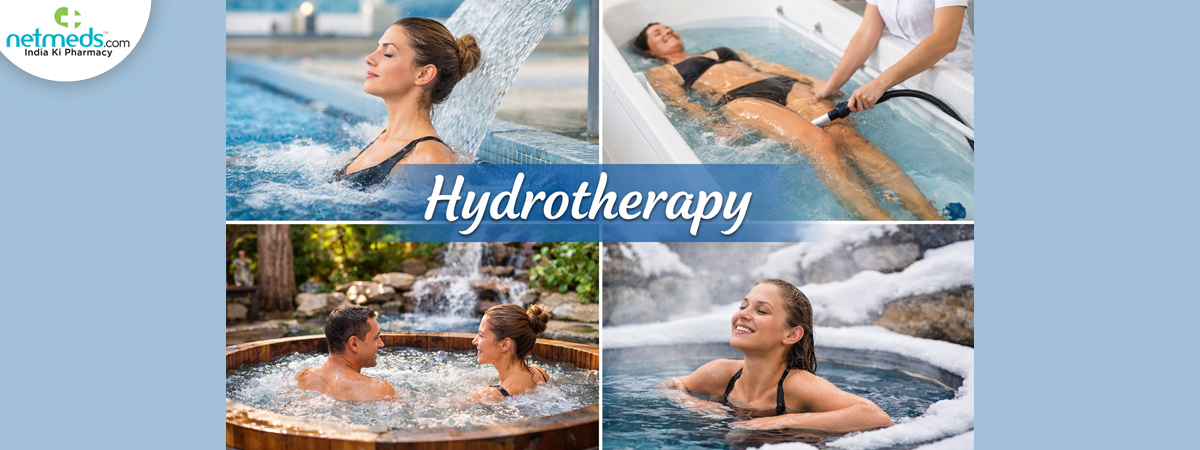
Hydrotherapy is a treatment that uses water to address various symptoms affecting the human body. It is also called water therapy, aquatic therapy, or balneotherapy. This can be as simple as showering at home or using a dedicated tank or pool. Hydrotherapy also denotes the use of pressurised jets, hot and cold temperatures and ice packs.
Hydrotherapy or water therapy is a natural healing technique that uses water at different temperatures, such as cold, warm, or hot, to augment overall physical and mental well-being. It has been practised for ages across cultures, from ancient Roman baths to traditional ayurvedic healing systems.
(Be In The Pink Of Health With Our Wide-Variety Of Health Supplements Today!)
The main concept behind this is that water can stimulate blood circulation, relax muscles, reduce pain, and support the body’s natural healing processes.
Explore this article to unravel the benefits of hydrotherapy, uses, and possible side effects.
Health Benefits
Improves Blood Circulation
Switching between hot and cold water helps expand and constrict blood vessels. This process enhances blood circulation, supports better oxygen utilisation and nutrient delivery throughout the body.
Relieves Muscle Pain / Joint Stiffness
Warm water assists in relaxing tight muscles and eases stiffness, making hydrotherapy particularly valuable for those suffering from muscle soreness, arthritis, and post-workout fatigue.
Eases Stress
Hydrotherapy has a soothing effect on the nervous system. Warm baths or showers can lower stress hormones, thereby improving mood and inducing sound quality sleep.
Detoxify The System
The process of hydrotherapy makes you perspire a lot in warm water or steam baths. This helps the body get rid of toxins via the skin.
Strengthens the Immune System
Exposure to cold water, like taking cold showers, can trigger the immune system and enhance the body’s resilience in the long run.
Also Read: Naturopathy 101: Uses, Benefits, And Secrets To Natural Healing And Well-being
Boosts Skin Health
Water therapy is a proven alternative treatment that promotes skin health and natural glow. It improves blood flow to the skin, which optimises skin’s radiance, natural glow and supports skin repair.
Promotes Digestion
Warm water can stimulate digestive functions and may help mitigate common gut problems like bloating, flatulence and constipation.
How to Practice Hydrotherapy?
Well, you don’t need any special equipment or supplies; hydrotherapy can be easily followed at home.
Hot Water Therapy
Get a warm bath for about 15 minutes regularly. This helps to naturally relax the body and lessen muscle tension, and stay calm.
Cold Water Therapy
Spraying cold water on the face or taking cold water baths for 30 seconds to 2 minutes helps trigger alertness and improve blood circulation to the vital organs.
Contrast Therapy (Hot and Cold)
Alternating between hot and cold-water therapy, which involves 3 minutes of warm water and 1 minute of cold-water treatment in repeated 3-4 cycles, promotes blood circulation and faster recovery.
Foot Soak
Soak feet in warm water for relaxation
Add episome salt or herbs for added relief.
Steam Therapy
Inhale steam or take a steam bath. This clears respiratory congestion and detoxes the lungs.
Also Read: Incredible Benefits Of Water Therapy For Enhanced Skin Health
Downsides of Hydrotherapy
Hydrotherapy is considered a safe method for most healthy adults; however, there are a few drawbacks that one should be cautious about:
People with heart disease, high blood pressure, or diabetes should consult a doctor before using extreme temperatures.
Using very hot water can cause burns, while sudden exposure to very cold water may shock the body.
A longer duration of heat therapy, such as hot baths or steam, can lead to dehydration if fluids are not replenished adequately.
Frequent exposure to hot water may dry out the skin or worsen certain skin conditions.
Cold therapy can feel uncomfortable initially, especially for beginners.
Simple Tips To Safely Practice Hydrotherapy
Start slowly, especially with cold water.
Keep sessions short and monitor.
Avoid extreme temperatures.
Listen to your body signals.
Conclusion
Hydrotherapy is a simple yet powerful natural therapy that has proven scientifically to improve blood circulation, ease stress and optimise overall well-being. When practised rightly and safely, it can become a valuable part of your daily well-being.
However, like any health practice, moderation and awareness are key. Understanding your body’s limits will help you gain the maximum benefits while avoiding risks.
References:
Scientific Evidence-Based Effects of Hydrotherapy on Various Systems of the Body
A Mooventhan 1, L Nivethitha 1
Author information
Copyright and License information
https://pmc.ncbi.nlm.nih.gov/articles/PMC4049052/
https://www.sciencedirect.com/science/article/abs/pii/S2212958825000606
The benefits of combining water and land-based therapy
Alexios G Carayannopoulos 1,*, Alex Han 1, Igor N Burdenko 2
https://pmc.ncbi.nlm.nih.gov/articles/PMC7056478/
 Previous