


Naturally occurring plant compounds found in seeds, leaves, bark, fruits, and even beverages like tea and wine, tannins are best known for creating the dry, puckering sensation in your mouth. These powerful polyphenols do much more than affect taste. They possess antioxidant properties and play a vital role in protecting plants, while also offering potential health benefits when included in the diet. They have several roles in plants, such as protecting them from herbivores, preventing microbial growth, and helping in wound healing. This component is most associated with foods and beverages like tea, wine, and some fruits like grapes, apples, and pomegranates.
Shop From Our Wide Range Of Wellness
In wine, for example, tannins are partly responsible for the astringent mouthfeel, and they also contribute to the ageing potential of the wine. In addition to their culinary impact, tannins are also noted for their potential health benefits due to their antioxidant properties, though they can interfere with the absorption of certain nutrients like iron.
Types Of Tannins
Tannins can be categorized into two main types:
Hydrolyzable Tannins: These are composed of a sugar core with phenolic acid groups attached, and they are more water-soluble.
Condensed Tannins: These are composed of flavonoid units and are less water-soluble.
Also Read: Carrots Can Contribute To Health & Beauty
What Potential Health Benefits Do Tannins Offer?
Tannins can have potential health benefits, but like many compounds, their effects depend on the amount consumed and the context in which they are consumed.
- Tannins, especially those found in tea, wine, and fruits, are rich in polyphenols, which are known to have antioxidant effects. Antioxidants help neutralize harmful free radicals in the body, potentially reducing the risk of chronic diseases like heart disease and cancer.
- Tannins have anti-inflammatory properties, which may help reduce inflammation in the body, potentially benefiting conditions like arthritis or other inflammatory disorders.
- Tannins have been shown to have antimicrobial effects. They can inhibit the growth of certain bacteria, fungi, and viruses, which may help protect the body from infections.
- Tannins have astringent properties that can help with digestive issues. They may reduce irritation in the gut, which can be helpful for conditions like diarrhoea or other gastrointestinal issues.
- Some research has suggested that tannins may help lower blood pressure and improve cholesterol levels, contributing to better heart health.
Also Read: Mulethi/Licorice Powder: Benefits, Uses, Ingredients, Method, Dosage and Side Effects
Possible Downsides Of Tannin-Rich Foods
While tannins can be beneficial, excessive consumption of tannin-rich foods can have negative effects. It is important to balance their intake to avoid potential drawbacks, such as nutrient absorption issues or digestive discomfort. As with most compounds, moderation is key! Here are some ill health effects they can bring:
Reduced Nutrient Absorption
Tannins can interfere with the absorption of certain nutrients, especially iron. They bind to iron and reduce its bioavailability, potentially leading to iron deficiency if consumed in large amounts over time, especially for individuals with low iron levels.
Gastric Irritation
For some people, the astringent nature of tannins can cause stomach irritation, particularly if consumed on an empty stomach or in large quantities.
Interference With Medications
Tannins can sometimes interact with certain medications, affecting their absorption or effectiveness. It is always a good idea to consult with a healthcare provider if you are on medication and consuming tannin-rich foods regularly.
Frequently Asked Questions
What Foods Are High in Tannins?
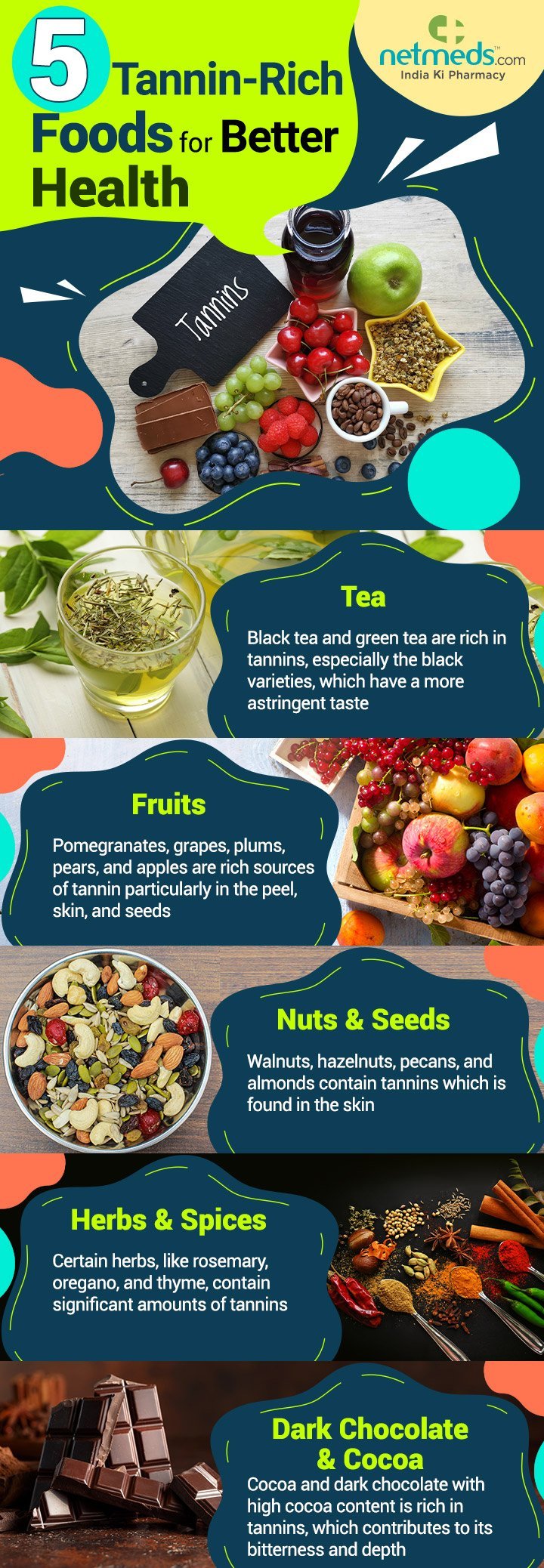
Foods high in tannins include black and green tea, dark chocolate, grapes, pomegranates, berries, walnuts, and some beans. Certain spices and fruits like cranberries and persimmons also contain significant amounts of tannins.
What Are the Side Effects of Tannins?
Consuming excessive amounts of tannins may reduce the absorption of iron and other minerals, particularly in people with iron deficiency. In some individuals, they can also cause stomach irritation or nausea when consumed on an empty stomach.
Is Tannin Good for Health?
Yes, tannins have antioxidant and anti-inflammatory properties that may support heart health and help protect cells from oxidative stress. However, they are best consumed in moderation as part of a balanced diet.
What Are the Best Sources of Tannins?
Plants rich in tannins include tea leaves (Camellia sinensis), oak bark, witch hazel, pomegranate, grapes, sumac, chestnut, and acacia. Many herbs, tree barks, and fruit skins naturally also contain tannins. Would you like to learn how to add tannins to your food? Check out this infographic for tips.
Preeti Sharma has a Master's in Electronic Media and Mass Communication and a certification in short-term writing from Florida. With close to a decade of experience, she specializes in crafting engaging blogs on beauty, veterinary care, and healthy cooking. Preeti is proficient in video editing tools and produces captivating and informative content across multiple platforms.
References:
https://pmc.ncbi.nlm.nih.gov/articles/PMC11858154/
https://www.sciencedirect.com/science/article/pii/S2772502225000484
 Previous


