Purines are one of the most common chemical compounds present on the planet. There are two types of purines: endogenous and exogenous. The human body absorbs exogenous purines via the foods that you eat, whereas endogenous purines are made in the body itself. Uric acid is formed when purines are broken down during the process of digestion. Consuming too many purines can cause a build-up of uric acid in the body. If uric acid remains in the body, it crystallizes and contributes to certain medical problems, such as gout and kidney stones. Therefore, it is vital to restrict the intake of purines.
To Manage High Uric Acid Levels, Shop From Our Best Selling Ayurvedic Supplements
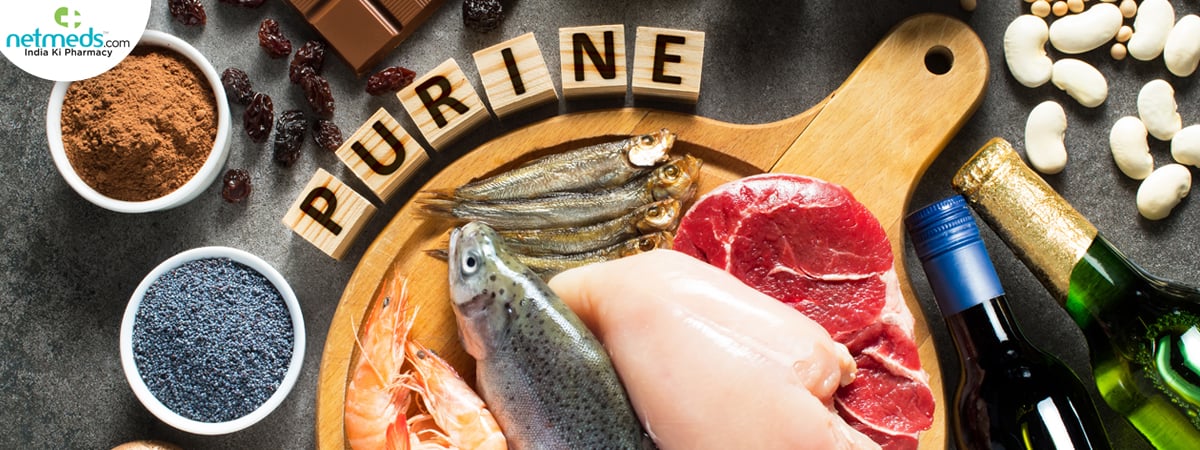
Read this article to know more about what purines are, how they affect the body, and effective practices to manage high purine intake.
What Are the Functions Of Purines?
Purines are essential for building DNA and RNA, the key genetic material.
Promoting metabolism and energy production.
Supporting proper cell growth and repair.
When purine is metabolized, uric acid is produced as a byproduct. Usually, uric acid dissolves in the blood and is flushed out via urine. However, excess amounts of uric acid in the blood result in hyperuricemia, and this may lead to other medical conditions.
Also Read: How To Lower Uric Acid Levels? 8 Natural Drinks To Relieve Gout Symptoms
What Is the Impact of Purine-Rich Foods on the Human Body?
Increased Uric Acid Levels
A diet rich in purine may elevate uric acid levels in the blood. Moreover, if the kidney is not functioning effectively in excreting uric acid, it may start to accumulate in the body.
Gout
High uric acid can build up as crystals in the joints, causing extremely painful gout attacks. Swelling, redness, stiffness, and joint pain are the common symptoms.
Kidney Health
Excess amounts of purines in the body can result in uric acid in the kidneys crystallising and hardening, resulting in kidney stones. Kidney stones in severe cases can be very painful and may need a medical procedure to remove them completely.
Also Read: Natural Ways To Get Rid Of Kidney Stones
Other Metabolic Concerns
High purine intake can lead to hyperuricemia. Researchers have disclosed that this condition has been linked to an increased risk of diabetes, metabolic syndrome, obesity, and cardiovascular risks.
Foods High In Purines
Some foods are especially rich in purines and can raise uric acid levels:
Red meat
Organ meats
Seafoods like sardines, anchovies, mussels, and shellfish
Alcohol mainly beer
Sugary drinks with high fructose corn syrup
Foods Low In Purines
To reduce the purine levels in the blood, focus on having foods low in purine:
Low-fat dairy products like milk, yogurt, and cheese
Fruits and vegetables, except for a few like mushrooms, spinach, and cauliflower, which are moderately high in purines, should be limited.
Whole grains like brown rice, oats, and barley.
Eggs and plant-based proteins tofu and legumes, can be included in moderate amounts.
How to Manage Purine Intake?
Limit intake of high-purine foods like red meat, organ meats, and certain seafoods.
Drink plenty of water to help the kidneys flush out uric acid via urine.
Maintaining a healthy weight has obesity, which increases uric acid levels and risk of gout.
Limit the intake of beer and other sugary beverages, as excess intake may increase uric acid production.
A wholesome diet rich in plant-based foods like fresh fruits, vegetables, and whole grains improves overall metabolic health.
If you experience gout or kidney stone symptoms, seek immediate medical attention to manage the condition.
Frequently Asked Questions
What are the 10 foods that trigger uric acid?
Foods that can increase uric acid levels include organ meats (liver and kidney), red meat, sardines, anchovies, shellfish, mackerel, tuna, meat-based gravies, beer and other alcoholic beverages, and sugary drinks containing fructose. These foods may increase the risk of gout attacks, particularly in people who already have high uric acid levels.
How to remove purines from the body?
The body naturally breaks down purines into uric acid, which the kidneys filter and eliminate through urine, while a smaller amount leaves through the digestive tract. Drinking adequate water, limiting high-purine foods and alcohol, and following a balanced diet can support healthy uric acid levels, but prescribed medication may be necessary.
Which vitamin kills uric acid?
No vitamin directly kills uric acid, but vitamin C may help modestly lower uric acid levels in some people. Include vitamin C-rich foods such as oranges, guavas, amla, and bell peppers in your diet, and consult a healthcare professional before taking supplements.
What is the biggest cause of uric acid?
High uric acid levels, known as hyperuricemia, occur when the body produces too much uric acid or, more commonly, the kidneys do not eliminate enough of it. Genetics, kidney disease, obesity, certain medications, alcohol consumption, and a diet rich in purines can contribute to elevated levels.
What's the worst food for uric acid?
Organ meats, such as liver and kidney, are among the worst foods for people with high uric acid because they contain very high amounts of purines. Limiting organ meats, certain seafood, red meat, and alcohol can help reduce the risk of gout flare-ups.
Which dal to avoid for uric acid?
People with high uric acid levels do not necessarily need to avoid all dals, as pulses contain plant-based purines and can generally be included in a balanced diet. Instead of eliminating dals such as urad, masoor, or chana dal, focus on moderate portions, monitor individual triggers, and follow your healthcare professional's dietary advice.
Conclusion
Purines are an essential chemical compound for carrying out certain important processes in the human body. However, excess intake of purine-rich food may elevate uric acid levels, resulting in gout and kidney disorders. A wholesome diet, good hydration, and maintaining a healthy lifestyle may help you immensely in keeping purine levels under control and optimise overall wellness.
(This article is reviewed by Kalyani Krishna, Chief Content Editor)
Author Profile:
M Sowmya Binu:
With over 15 years of expertise and a Postgraduate degree in Nutrition, M Sowmya Binu is a seasoned professional in the field of nutrition. Specialising in tailoring personalised diet plans, she underscores the significance of a balanced approach to health, emphasising the integration of medication with dietary intake for holistic wellness. Passionate about equipping individuals with knowledge to make informed decisions, Sowmya adeptly develops insightful content encompassing a wide array of topics, including food, nutrition, supplements, and overall health.
References
The Association between Purine-Rich Food Intake and Hyperuricemia: A Cross-Sectional Study in Chinese Adult Residents
Sumiya Aihemaitijiang 1, Yaqin Zhang 1, Li Zhang 2, Jiao Yang 1, Chen Ye 1, Mairepaiti Halimulati 1, Wei Zhang 1, Zhaofeng Zhang 1,*
https://pmc.ncbi.nlm.nih.gov/articles/PMC7765492/
Purine-Rich Foods, Dairy and Protein Intake, and the Risk of Gout in Men
Authors: Hyon K. Choi, M.D., Dr.P.H., Karen Atkinson, M.D., M.P.H., Elizabeth W. Karlson, M.D., Walter Willett, M.D., Dr.P.H., and Gary Curhan, M.D., Sc.D.
https://www.nejm.org/doi/full/10.1056/NEJMoa035700
 Previous