


Choosing complete and balanced pet food for your dog or cat? It can be confusing, as wet and dry pet foods offer different benefits and uses. Generally, wet food is associated with taste and hydration, while dry food is more convenient, affordable, and easy to store. Many pet owners want to know which one is better for their four-legged friends, and can wet and dry pet food be mixed?? The answer depends on your pet’s age, health, eating habits, and nutritional requirements. While both can provide nutrition when well formulated, the key is choosing a balanced option and feeding the right amount.
Let’s explore the benefits, disadvantages, and key differences between wet pet food and dry pet food, veterinary-recommended pet food, and how to switch your pet to a new food.
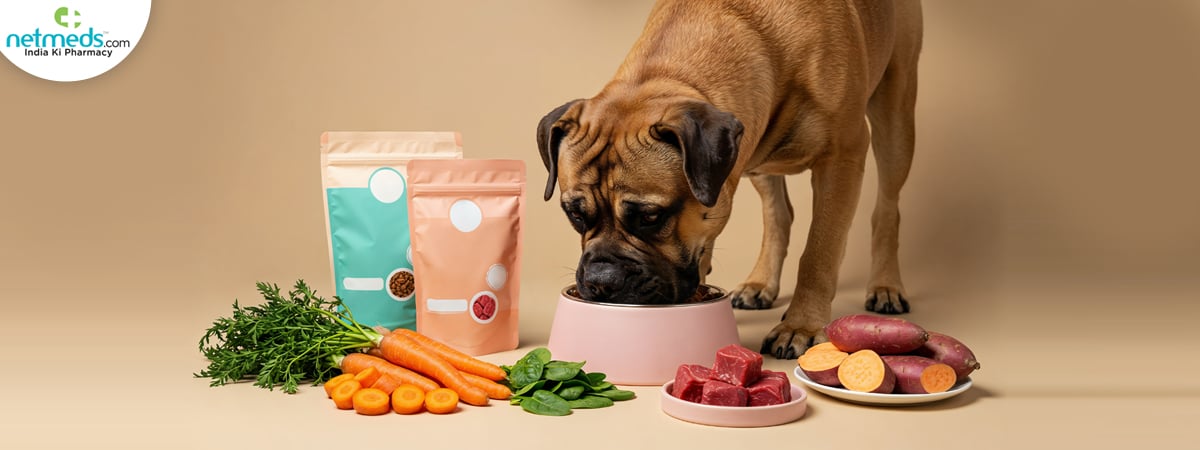
(Shop From Our Wide Range Of Pet Health Essentials And Supplements)
Key Difference Between Wet Pet Food and Dry Pet Food
Wet food usually comes in cans, trays, or pouches and contains considerably more moisture than dry food. Its soft texture and stronger aroma can make it appealing to pets that are fussy eaters or have difficulty chewing. Dry pet food, commonly called kibble, contains less moisture and is usually sold in bags. It is easy to measure, store,e and use in feeders or food puzzles. Neither can be called superior. The nutritional value depends on the formulation, ingredients, and quality control. Whether the product meets the needs of the animal and its life stage
Also Read: Holistic Care For Senior Cats: Tips For Comfort, Connection, and Compassion
Benefits of Wet Pet Food
Supports Better Hydration
Wet food contains amounts of water, which contributes to a pet’s daily fluid intake. This can be particularly useful for cats, which may not drink water on their own. Higher moisture intake may also be beneficial for pets with urinary or kidney conditions. However, wet food does not replace treatment or a prescribed therapeutic diet when one is needed.
Often More Appealing to Picky Eaters
Wet food generally has an aroma and a softer texture than kibble. These characteristics may encourage pets with appetites to eat. It can be useful for some animals or pets recovering from illness, although persistent loss of appetite should always be assessed by a veterinarian rather than managed solely by changing food.
May Help With Portion and Weight Management
Wet food often provides calories per gram because it contains more water. This allows pets to eat a volume for the same number of calories, which may help some animals feel satisfied. However, wet food does not automatically cause weight loss. Portion sizes, calorie content, treats, ats and physical activity still determine whether a pet maintains a weight.
Easier to Chew
The consistency of wet food may suit pets with missing teeth, oral discomfort, or difficulty chewing hard kibble. If chewing suddenly becomes difficult, arrange an examination because the underlying dental problem may need treatment.
Benefits of Dry Pet Food
Convenient and Easy to Store
Dry food is simple to measure, transport, and serve. Unopened packaging generally has a long shelf life, and kibble can be useful for feeders and food-dispensing toys. Once opened it should be stored according to the manufacturer’s instructions to preserve freshness and reduce exposure to moisture and air.
Economical
Dry food is generally less expensive per calorie than wet food, making it a practical option for many households. It is also easier to buy and store in quantities. Compare the cost of feeding the recommended amount rather than comparing package prices alone.
Easy to Measure for Daily Feeding
Kibble can make portioning straightforward,rward particularly when using a kitchen scale or a consistent measuring method. This helps owners monitor how much their pets eat. Because dry food is calorie-dense, however,owever freely refilling a bowl can lead to overfeeding. Follow the feeding guidance on the label. Adjust it to your pet’s body condition and activity level.
Certain Types Can Support Dental Health
Some formulated dental diets are designed to help reduce plaque or tartar. However, ordinary dry kibble does not reliably clean every tooth. Prevent dental disease simply because it is crunchy. Look for products with dental-health evidence, such as acceptance by the Veterinary Oral Health Council where applicable,e and maintain regular dental care.

What Are the Possible Side Effects of Wet and Dry Pet Food?
Wet and dry food do not cause side effects when a suitable complete diet is fed in appropriate quantities. Problems can arise from the formulation, excessive portions, sudden diet changes, inappropriate portions, improper storage, or an underlying health condition.
Possible Disadvantages of Wet Food
· Wet food often costs more per calorie than dry food.
· Wet food should not be left at room temperature for extended periods. Follow thelabel'ss storage instructions and discard food that has been left out long.
· An abrupt change may cause loose stools, vomiting, or changes in appetite in some pets for some time.
· Wet food does not clean teeth, so regular dental care for your pet remains important.
Possible Disadvantages of Dry Food
· Pets eating food obtain more of their water separately,y making constant access to fresh drinking water essential.
· Its concentrated calories can contribute to weight gain when portions are not controlled.
· Hard kibble may be unsuitable for some pets with pain or dental problems.
· Poorly sealed or improperly stored food can lose freshness and may become contaminated.
How to Choose the Right Pet Food
Before choosing food, dry food or a combination,n consider these factors:
Nutritional completeness: Check that the food is appropriate for your pet’s species and life stage.
Health requirements: Ask your veterinarian whether your pet needs a specialised diet.
Hydration: Consider whether your pet drinks enough water and whether additional dietary moisture may help.
Weight management: Check calories per serving and measure daily portions.
Eating preferences: Choose a texture. Flavour your pet will reliably eat.
Budget and storage: Select a food you can afford consistently and store safely.
Also Read: Pet Care: Make Regular Health Check-ups a Practice To Keep Them Free From Diseases
Frequently Asked Questions
Is wet food healthier than dry pet food?
Not necessarily. Both can provide nutrition. Wet food offers moisture while dry food is often more convenient and economical. The best choice depends on your pet’s needs and the quality of the product.
Can cats eat dry food every day?
Yes, many healthy cats can eat a complete dry diet. Always provide water. Wet food may be useful for increasing moisture intake in cats that drink little or have certain health conditions.
Is wet food better for dogs with problems?
Its soft texture may make wet food easier to eat when chewing is uncomfortable. However, dental pain or difficulty chewing should be examined by a veterinarian rather than managed only by changing food.
Does dry food clean a pet’s teeth?
Ordinary kibble should not be relied on to prevent disease. Some designed dental diets can help reduce plaque or tartar, but regular dental care is still important.
Can I feed my wet and dry food every day?
Yes, provided both foods are appropriate, and the combined portions meet your pet’s needs without exceeding daily calorie requirements. Consult your veterinarian if your pet requires a diet.
How should I switch my pet to a food?
Introduce the food slowly over a few days and watch how much your pet eats and how their stool looks. Listen to what your veterinarian says, especially if your pet has stomach issues.
Conclusion
When looking at pet food and dry pet food, there is not one best choice for every dog or cat. Wet food has a softer, tastier feel, while dry food is easy to use, simple to keep, and usually cheaper. Both types can cause problems if you do not pay attention to what your pet needs to eat. For pets, either type or a mix that is carefully controlled can be good. Make sure to focus on complete and balanced food, the right amount to eat, clean water, and help from a vet.
References:
https://wsava.org/global-guidelines/global-nutrition-guidelines/
https://www.petmd.com/dog/nutrition/dry-dog-food-vs-wet-dog-food-which-better
https://vcahospitals.com/hermosa/know-your-pet/dry-canned-or-semi-moist-food-choices-for-cats
https://vcahospitals.com/pediatric/kitten/nutrition/wet-or-dry-cat-food
Pet ownership and human health: a brief review of evidence and issues
June McNicholas, psychologist, Andrew Gilbey, lecturer, Ann Rennie, general practitioner, Sam Ahmedzai.
https://www.ncbi.nlm.nih.gov/pmc/articles/PMC1289326/
https://international-animalhealth.com/
https://www.vet.cornell.edu/departments-centers-and-institutes/cornell-feline-health-center/health-information/feline-health-topics
https://www.ncbi.nlm.nih.gov/pmc/articles/PMC1289326/
https://international-animalhealth.com/
https://www.vet.cornell.edu/departments-centers-and-institutes/cornell-feline-health-center/health-information/feline-health-topics
 Previous


