Varicose veins are more than just a cosmetic issue; enlarged, twisted veins can result in aching pain, swelling, heaviness and discomfort in the legs, making regular activities difficult for most people. Varicose veins are mostly associated with health problems in older adults; however, they can appear much earlier. Even young adults can develop prominent, twisted veins who stand or sit for prolonged periods. Varicose veins are increasingly developing in adults due to sedentary lifestyles and occupational demands.
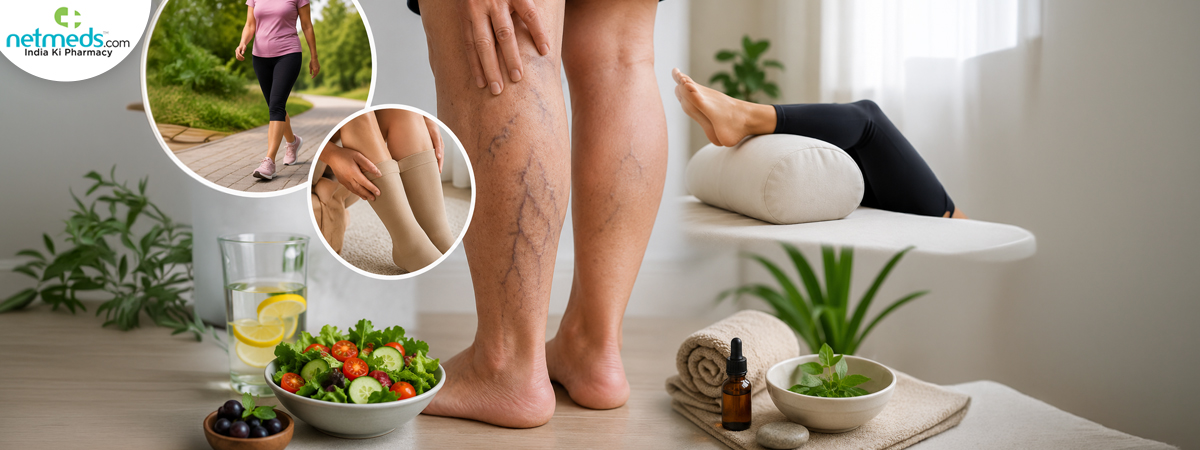
(Shop From Our Extensive Collection Of Compression Socks & Health Essentials To Treat Varicose Veins)
Early diagnosis, lifestyle modifications and timely medical intervention can help avert complications and improve quality of life. Understanding the risk factors and adopting healthy habits can go a long way in managing varicose veins effectively.
What Are Varicose Veins?
Varicose veins are enlarged, swollen, and twisted veins that develop under the surface of the skin, most commonly in the legs and feet. They develop when vein valves that support blood flow upward toward the heart become weak and damaged, causing blood to pool and veins to stretch. This results in bulging, often blue or purple veins that are at times visible and sometimes painful. Although varicose veins are usually blue or dark purple, they may also appear lumpy, bulging, or rope-like.
Common Symptoms Of Varicose Veins
Symptoms vary depending on the severity of the condition and may include:
Bulging, twisted blue or purple veins
Throbbing pain in the legs after continuous standing or sitting
A feeling of heaviness or fatigue in the legs
Swelling around the ankles and feet
Burning, itching, or muscle cramps
Skin discolouration around the affected veins
Restless legs, especially at night
What Causes Varicose Veins?
Numerous factors can cause varicose veins in young adults:
Genetics: Family history or heredity plays a vital role. Young adults with a family history are at higher risk.
Hormonal Changes: Hormonal fluctuations during puberty or pregnancy can weaken the walls in the veins.
Prolonged Sitting/Standing: People whose jobs involve long durations of standing can increase pressure in the leg veins.
Obesity: Overweight or those who are obese put extra body weight on leg veins, resulting in veins bulging.
Physical inactivity: Sitting all day can impede normal blood circulation, increasing the risk of varicose veins.
Leg injuries: Previous damage to leg veins can lead to valve weakness later.
Also Read: Varicose Veins Diet Guide: What to Eat and What to Avoid
Why It Matters to Address Early
Ignoring the issue at a young age may lead to:
More prominent, painful veins in the long run
Skin discolouration or eczema near the vein
Chronic swelling and irritation
Ulcer formation around the ankles
5 Effective Ways To Manage Varicose Veins
Stay Physically Active
Being active and engaging in regular exercise promotes blood flow and strengthens the calf muscles, which act as a natural pump to push blood back towards the heart and improve heart function. Beneficial exercises include walking, swimming, cycling, yoga, and leg-strengthening exercises. Aim for at least 150 minutes of moderate-intensity physical activity per week.
Maintain Body Weight
Losing extra kilos eases pressure on the veins and improves blood circulation. Eating a wholesome and varied diet comprising a rich array of fiber, vegetables, fruits, whole grains, and lean protein can also help prevent constipation, which indirectly reduces pressure on leg veins.
Elevate Your Legs
Raising your legs above heart level for 15–20 minutes several times a day helps reduce swelling and improves venous return. This is especially beneficial for those whose job involves prolonged standing or sitting.
Wear Compression Stockings
Wearing compression stockings provides gentle pressure to the legs, supporting vein function and promoting better blood flow. They can reduce swelling, relieve discomfort, and slow disease progression. Consult a healthcare provider to determine the appropriate compression level.
Avoid Prolonged Sitting Or Standing
If your work requires long hours in one position, then:
Walk around every 30–60 minutes
Stretch your calf muscles regularly
Flex and point your feet while sitting
Shift your body weight frequently when standing
Avoid crossing your legs for extended periods
These simple habits encourage healthy circulation and reduce pressure on leg veins.
When Should You See A Doctor?
Consult a healthcare professional if you experience:
Persistent leg pain or swelling
Skin ulcers or wounds near the ankles
Sudden redness and warmth over a vein
Bleeding from a varicose vein
Severe discomfort that affects daily activities
Medical treatments may include sclerotherapy, endovenous laser therapy (EVLT), radiofrequency ablation, or minimally invasive surgical procedures, depending on the severity.
Can Varicose Veins Be Prevented?
Although hereditary factors cannot be modified, adopting healthy lifestyle habits may reduce your risk:
Exercise regularly
Maintain a healthy weight
Avoid prolonged inactivity
Wear comfortable footwear
Eat a fibre-rich, low-salt diet
Elevate your legs whenever possible
Stay well hydrated
Frequently Asked Questions
What Is The Main Cause Of Varicose Veins?
The most common cause is weakened or damaged vein valves, which allow blood to pool in the veins instead of flowing back to the heart efficiently.
Can Walking Reduce Varicose Veins?
Walking improves blood circulation, strengthens the calf muscles, and may reduce pain, swelling, and heaviness associated with varicose veins. However, it does not eliminate existing enlarged veins.
Are Varicose Veins Dangerous?
Most varicose veins are not life-threatening, but if left untreated, they may lead to complications such as skin ulcers, blood clots, bleeding, or chronic swelling.
Conclusion
Varicose veins are a common circulatory condition that can affect both appearance and overall comfort. Healthy lifestyle choices can significantly reduce symptoms and slow disease progression. Regular exercise, weight management, compression stockings, leg elevation, and avoiding prolonged sitting or standing are among the most effective ways to improve circulation and maintain healthy veins.
References:
https://www.ncbi.nlm.nih.gov/books/NBK470194/
Varicose Veins
Meghal R. Antani; Jeffery B. Dattilo.
https://journalajmpcp.com/index.php/AJMPCP/article/vi
 Previous