Traditional protein drinks have been valued for their perfect blend of nutrients and amazing health benefits. Rooted in Ayurvedic tradition and wisdom, numerous everyday drinks contribute to your daily protein uptake. These beverages have been nourished across generations and backed by modern nutritional science for their incredible health benefits.
Want To Build Lean Muscle And Maintain Body Weight, Shop From Our Best Selling Protein supplements
Most of these drinks are relished for taste, cooling effect or improved digestion, yet nutritionally they add more protein than you think. Protein is a key macronutrient that plays an important role in repairing tissue, building muscle mass and augmenting immunity. A healthy adult needs about 0.8 grams of protein per kg of body weight.
Here we have curated 5 traditional Indian drinks loaded with protein that help you meet the day’s intake.
5 Traditional Protein Drinks
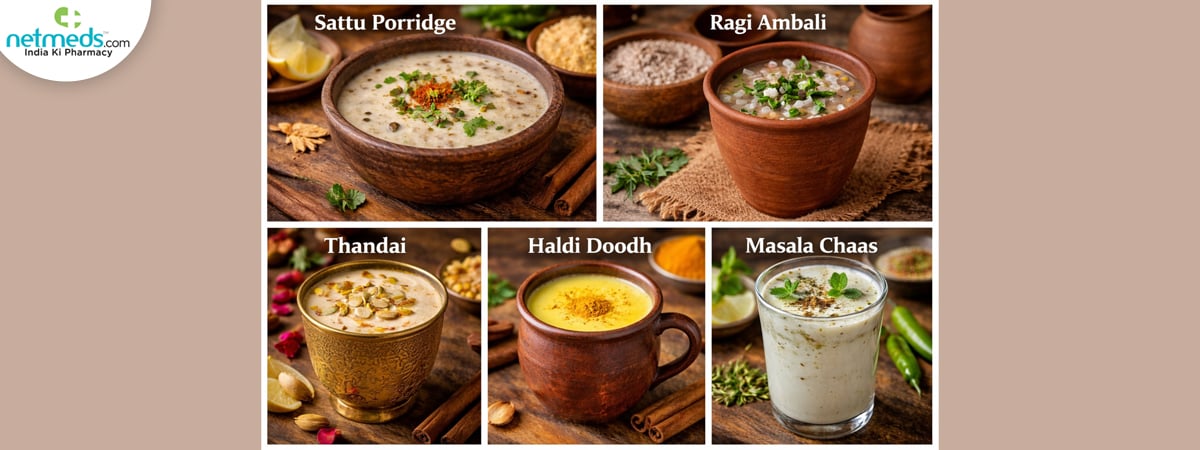
Sattu Sharbat
Sattu Sharbat is a staple drink of Bihar, Jharkhand, and Uttar Pradesh for ages. It is a traditional protein shake made of roasted Bengal gram flour, which is high in protein, naturally cooling and energising. When blended with water, lemon juice, and a dash of black salt, it instantly changes into a cooling sharbat that rivals most commercial drinks, at a minimal cost.
A glass of sattu sharbat offers approximately 10-12 grams of protein, along with dietary fibre, iron and B complex vitamins. Being low in GI, it is perfect for diabetics and those on maintaining weight. Ayurveda classifies it as a sheeta virya (cooling in nature) food, perfect for beating India's summer heat.
Nutritional Profile
Protein ~10–12g per glass
High in fibre
Iron-rich
Low GI
Vegan
How To Make It?
Mix 3 tbsp sattu in 250 ml cool water until lump-free.
Add juice of half a lemon, a pinch of black salt (kala namak), and roasted cumin powder.
Stir in a teaspoon of jaggery or skip for a savoury version.
Serve immediately with ice.
Also Read: On A High Protein Diet? Here’s Why You Need To Increase Your Water Intake
Thandai
Thandai is a famous drink consumed during Holi and Mahashivaratrii season, which is famed as a celebration drink.
Made by blending soaked almonds, cashews, poppy seeds, watermelon seeds, fennel, cardamom, pepper, and saffron mixed into chilled milk, Thandai is a nutritional powerhouse. A single serving of about 250 ml offers 8-15 grams of protein from nuts and dairy, together with a wealth of magnesium, vitamin S and monounsaturated fats. While poppy seeds provide a natural relaxing effect, spices support digestion. It is also backed by science for its incredible role in improving cardiac health and satiety.
Nutritional Value
Protein ~8–15g
Vitamin E
Calcium
Heart-healthy fats
Adaptogenic spices
How To Make It?
Soak 10 almonds, 1 tsp poppy seeds, and 1 tsp watermelon seeds overnight.
Blend with 1 tbsp cashews, ½ tsp fennel seeds, 4 peppercorns, 2 cardamom pods, a few saffron strands, and 3 tbsp milk until finely smooth.
Strain the mixture and blend into 200 ml chilled whole milk.
Sweeten with raw sugar or mishri (rock sugar).
Serve chilled.
Haldi Doodh
The Golden milk, famed as India’s Ancient Elixir, was every Indian kitchen's reliance on haldi doodh to recuperate from illness, ease joint pain and induce sound sleep. Warm full-fat cow’s milk with a pinch of turmeric, black pepper and ghee, which is relished as a recovery drink that has stood the test of time across Ayurvedic medicine.
A glass of whole milk offers 709 grams of protein, curcumin, a potent antioxidant, enhanced in bioavailability from piperine from black pepper.
Studies published in the Journal of Medicinal Food indicate curcumin's role in reducing inflammation, supporting joint health, and improving post-exercise muscle recovery, making this a legitimate functional drink.
Nutritional Value
Protein ~7–9g
Curcumin (anti-inflammatory)
Calcium
How To Make It?
Heat 250 ml of full-fat milk on a low flame.
Add ½ tsp turmeric powder, a pinch of freshly ground black pepper, and ¼ tsp cinnamon.
Stir in ½ tsp ghee and sweeten with raw honey (after removing from the stove).
Whisk until frothy. Drink warm, ideally before bedtime.
Masala Chaas
Chaas, the spiced buttermilk, is the perfect drink for meeting summer nutrition. Every region has its own variation: Gujarat's chaas with curry leaves and mustard, Rajasthan's version with dried mint, and South India's sourer majjige.
A glass of masala chaas delivers 6–8g of dairy protein, live probiotic cultures (Lactobacillus bulgaricus and Streptococcus thermophilus), potassium, and B12, all for less than 80 calories. The spices simultaneously enhance digestion, reduce bloating, and cool the body core. It is among the most calorie-efficient protein drinks available in any cuisine.
Nutritional Profile
Protein ~6–8g
Live probiotics
Low calorie (~75 kcal)
Potassium
Vitamin B12
Also Read: Why Should You Start Your Day With A Protein-Rich Breakfast? Find Out Here
How To Make It?
Whisk ¾ cup fresh yoghurt with 1½ cups cold water until smooth.
Add ½ tsp roasted cumin powder, a pinch of black salt, and fresh ginger paste.
Temper ½ tsp mustard seeds and curry leaves in a drop of oil; pour over chaas.
Garnish with chopped coriander. Serve chilled.
Ragi Ambali
Finger millet porridge is known by several vernacular names, such as ambali in Karnataka and keppai koozh in Tamil Nadu. This fermented porridge is one of the most underrated superfoods. Ragi is one of the plant sources that contains all nine essential amino acids in fair amounts and contains more calcium than milk, thereby making this traditional drink a complete source of nutrition.
A single 300 ml serving of Ragi Ambali provides 6–9g of plant protein, 350–400 mg of calcium, high dietary fibre, iron, and zinc. The fermentation process significantly increases bioavailability and introduces beneficial organic acids that support gut flora balance.
Nutritional Profile
Protein ~6–9g
Calcium ~ 350mg
All essential amino acids
Iron
Zinc
Naturally gluten-free
How To Make It?
Mix 4 tbsp ragi flour in ½ cup water. Soak for 8 hours or overnight.
Add to 1.5 cups boiling water, stirring constantly to avoid lumps.
Cook on medium flame for 4–5 minutes until it thickens to a pourable consistency.
Cool slightly, thin with buttermilk or water, season with salt, and drink warm or at room temperature.
Frequently Asked Questions
Which Indian Protein Drink Is Best For Weight Loss?
The best option is the sattu drink. It is high in protein and fiber, which helps keep you full for longer and reduces cravings.
It is low in calories when made without sugar or milk and supports metabolism, making it ideal for fat loss.
Are These Drinks Suitable For Diabetics?
Yes, most traditional Indian protein drinks can be suitable for diabetics if prepared correctly.
Sattu is especially beneficial because it has a low glycaemic index and helps stabilise blood sugar.
Buttermilk and plain lassi are also safe options when unsweetened.
Avoid added sugar, jaggery or sweet syrups.
Can I Drink These Instead Of A Protein Powder Supplement?
You can, but it depends on your fitness goal.
Traditional drinks like sattu and raji ambali are natural and nutritious but provide moderate protein levels.
Protein powders like whey deliver higher, faster-absorbing protein, especially useful for muscle gain and intense workouts.
Which Is The Best Indian Protein Drink For Post-Workout Recovery?
The top choice is sattu with milk or a sattu milkshake
It provides plant-based protein and supports muscle recovery and energy replenishment.
Which traditional Indian drink is the healthiest for overall health?
Sattu drink is often considered the healthiest, as it improves overall physical and mental well-being.
References:
https://www.researchgate.net/publication/398306343_Development_of_a_High-Protein_Sports_Drink_Using_Banana_Peel_Protein-Fortified_Guava_Juice
https://journalacri.com/index.php/ACRI/article/view/1503
 Previous