


Retinol has earned a gold-standard reputation in skincare and for good reason. Backed by decades of dermatological research, this vitamin A derivative is widely known for its ability to improve skin texture, reduce signs of aging, and promote a clearer complexion. But despite its popularity, many people still feel unsure about how retinol works, how to use it correctly, and how to avoid irritation.
ALso Read: The Real Retinol Reminisces: Cream, Serum, Benefits, How To Use, As Told By My Friend
In this comprehensive guide, we will break down the science of retinol, its proven benefits, how to incorporate it into your skincare routine, and precautions to keep your skin healthy and glowing.
What Is Retinol?
Retinol is a type of retinoid, a class of compounds derived from vitamin A. It is commonly used in over-the-counter skincare products to improve skin appearance and function.
When applied to the skin, retinol undergoes a conversion process:
Retinol to Retinal which further converts to Retinoic Acid
Retinoic acid is the active form that skin cells can use. Prescription-strength retinoids (like tretinoin) already exist in this active form, making them more potent but also more likely to cause irritation.
Also Read: Retinol: Discover The Benefits Of This Wonder Ingredient For Skin Care And Beauty
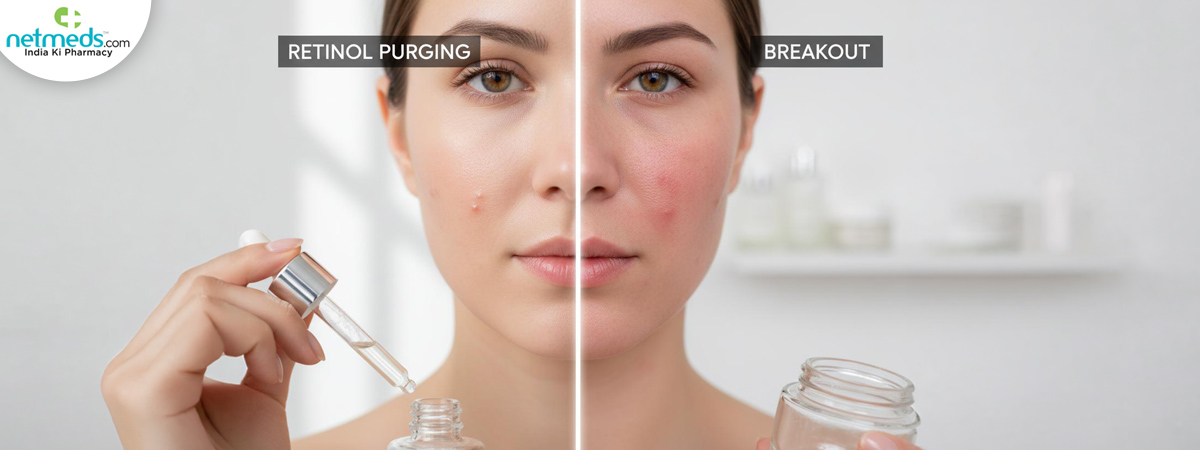
How Does Retinol Work?
Retinol works at a cellular level to transform the skin. Here is how:
Increases Cell Turnover
Retinol accelerates the shedding of old, dead skin cells and promotes the growth of new ones. This leads to smoother, fresher-looking skin.
Stimulates Collagen Production
Collagen is the protein responsible for skin firmness and elasticity. Retinol helps boost collagen synthesis, reducing the appearance of fine lines and wrinkles.
Unclogs Pores
By preventing the buildup of dead skin cells, retinol keeps pores clear, making it effective for acne-prone skin.
Improves Skin Function
Retinol enhances the skin barrier over time, helping it retain moisture and defend against environmental damage.
Key Benefits of Retinol for Skin
Reduces Fine Lines and Wrinkles
Retinol is one of the most effective ingredients for minimizing visible signs of aging. It smooths out fine lines and improves skin elasticity over time.
Improves Skin Texture
Rough, uneven skin becomes smoother as retinol promotes faster cell renewal.
Fades Hyperpigmentation
Retinol helps lighten dark spots, sun damage, and post-acne marks by encouraging even skin cell turnover.
Treats Acne and Breakouts
It prevents clogged pores and reduces inflammation, making it a powerful acne treatment.
Enhances Skin Radiance
With consistent use, skin appears brighter, clearer, and more youthful.
Types of Retinoids
Type
Strength
Availability
Best For
Retinyl Esters
Mild
OTC
Beginners, sensitive skin
Retinol
Moderate
OTC
General anti-aging, acne
Retinal (Retinaldehyde)
Stronger
OTC
Faster results
Tretinoin
Very Strong
Prescription
Severe acne, aging
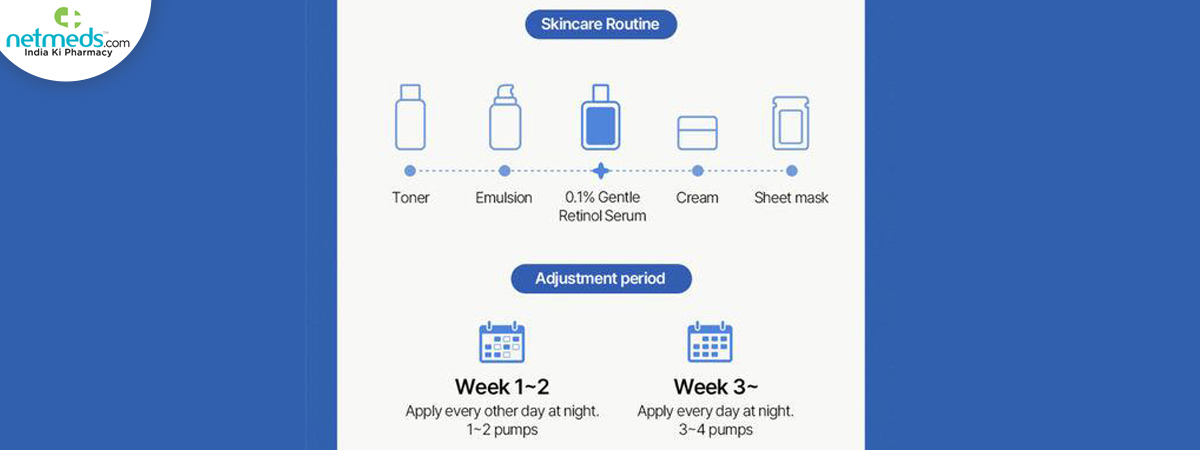
How to Use Retinol Safely and Effectively?
Start Slow
Begin with 2–3 times per week to allow your skin to adjust.
Use at Night
Retinol breaks down in sunlight, so it should only be applied in your nighttime routine.
Apply a Pea-Sized Amount
A small amount is enough for the entire face. Overuse can lead to irritation.
Follow With Moisturizer
Hydration helps reduce dryness and irritation.
Always Use Sunscreen
Retinol increases sun sensitivity, so daily SPF is essential.
Step-by-Step Retinol Routine
1. Cleanse your face gently
2. Pat skin dry completely
3. Apply a pea-sized amount of retinol
4. Follow with a moisturiser
5. Apply sunscreen the next morning
Common Side Effects of Retinol
While effective, retinol can cause temporary side effects, especially during the initial weeks:
Dryness
Redness
Mild irritation
This adjustment phase is often called the “retinization period.”
Tips to Minimize Irritation
Use the “sandwich method” (moisturiser → retinol → moisturiser)
Avoid mixing with strong actives like AHAs, BHAs, or benzoyl peroxide initially
Choose lower concentrations if you have sensitive skin
Stay consistent but patient
Who Should Avoid Retinol?
Retinol may not be suitable for everyone:
Pregnant or breastfeeding individuals
People with extremely sensitive or compromised skin
Those with certain skin conditions (consult a dermatologist)
When to Expect Results?
Consistency is key with retinol. Typical timelines:
2–4 weeks: Improved texture and mild glow
6–8 weeks: Reduced acne and smoother skin
3–6 months: Visible reduction in wrinkles and pigmentation
Pro Tips for Best Results
Pair with hydrating ingredients like hyaluronic acid and ceramides
Avoid over-exfoliation
Store retinol in a cool, dark place
Upgrade strength gradually
Conclusion
Retinol is one of the most researched and effective skincare ingredients available today. From boosting collagen and reducing wrinkles to clearing acne and improving skin tone, its benefits are backed by science.
However, the key to success with retinol lies in proper usage, patience, and consistency. By introducing it slowly into your routine and supporting your skin with hydration and sun protection, you can achieve healthier, smoother, and more radiant skin over time.
References:
1. https://www.ncbi.nlm.nih.gov/pmc/articles/PMC2699641/
2. https://www.aad.org/public/everyday-care/skin-care-secrets/anti-aging/retinoids
3. https://www.ncbi.nlm.nih.gov/pmc/articles/PMC5579659/
4. https://www.health.harvard.edu/staying-healthy/do-retinoids-really-reduce-wrinkles
5. https://pubmed.ncbi.nlm.nih.gov/
 Previous