Cancer is one of the leading causes of mortality across the globe. While genetics and environmental factors play a major role, our daily diet has a significant influence on cancer risk. Medical experts strongly claim that what we eat daily does not guarantee cancer prevention, but it can lower or increase our risk of developing certain types of cancer.
Combat Chronic Ailments By Supplementing Your Daily Nutrition With These Multivitamins!
Moreover, eating a nutritious diet packed with natural foods like vegetables, whole grains, beans and fruits, and following a healthy lifestyle can help you lower your risk of cancer and other chronic diseases. Dive into this article to know how everyday foods affect cancer risk and what modern science really says about diet and cancer.
The Link Between Diet and Cancer
According to the World Health Organisation (WHO) and the World Cancer Research Fund (WCRF), 30–50% of cancers may be preventable through lifestyle changes, including diet, physical activity, and avoiding tobacco. Diet affects cancer risk in several ways:
Influencing inflammation in the human body.
Affecting hormonal balance.
Regulating oxidative stress and DNA damage.
Shaping gut microbiome health and immunity.
Research reveals that a few foods contain protective bioactive plant compounds that shield the cells from cancer, while others can also promote cancer when taken in excess amounts.
Foods That May Help Lower Cancer Risk
Fruits and Vegetables
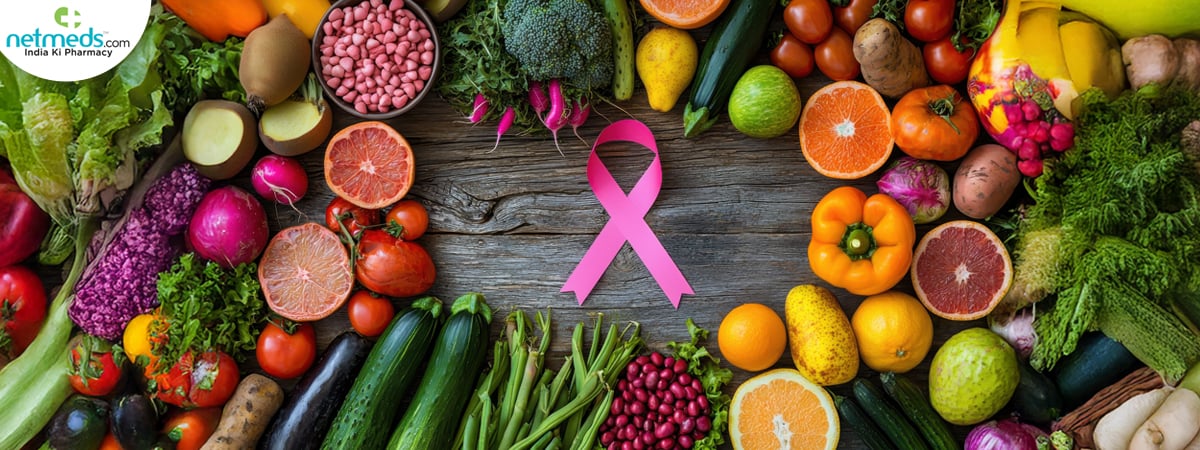
A rich array of colourful fruits and vegetables is heaped with a wealth of vitamins, minerals, dietary fiber and phytochemicals that shield cells from damage. Cruciferous vegetables such as broccoli, cauliflower, and cabbage contain sulforaphane, which helps neutralise carcinogens. Leafy greens like spinach, moringa and kale deliver vast amounts of folate, which supports healthy DNA repair. While berries are a storehouse of antioxidants that combat free radicals’ damage. Scientific studies reveal that diets abundant in fruits and vegetables are associated with lower risks of colorectal, lung, and stomach cancers.
Also Read: 6 Cancer-Causing Foods You Should Avoid And What to Eat Instead
Whole Grains
Whole grains, including brown rice, oats, millets, and whole wheat, are a rich source of dietary fiber, which is known to promote gut health, improve digestion process, ease inflammation and lower the risk of colorectal cancer. Dietary fiber has the potential to remover cancer causing carcinogens from the intestine more effectively, thereby lowering their contact with intestinal cells.
Legumes, Nuts, and Seeds
Beans, lentils, chickpeas, nuts, and seeds contain vast reserves of high-quality plant protein, fiber, and bioactive compounds. Soy foods such as tofu and tempeh contain isoflavones, which may reduce hormone-related cancer risk when consumed in moderate amounts. In addition, nuts like walnuts and almonds have anti-inflammatory properties that mitigate the action of inflammatory markers.
Healthy Fats
Not all fats are harmful to health. Omega-3 fatty acids are essential fatty acids found in fatty fish like sardines and salmon, while plant sources of omega-3 fatty acids include flaxseeds and walnuts. These foods are beneficial for lowering inflammation associated with cancer formation.
Spices and Herbs
Spices and herbs are staple ingredients in our kitchen cabinets show promising results.
Turmeric is heaped with potent antioxidant curcumin, which is studied extensively for its powerful anti-inflammatory and anti-cancer traits. Garlic and onions contain sulfur compounds linked to reduced stomach and colorectal cancer risk.
Foods That May Increase Cancer Risk
Processed and Red Meat
Scientific evidence strongly reveals that intake of processed meats like sausages, bacon, and ham is linked to a higher risk of colorectal cancer. Red meat consumed in excess may also increase risk. These processed foods contain preservatives like nitrates and high-temperature cooking, such as grilling and frying forms carcinogenic compounds, increasing the risk of certain types of cancer.
Ultra-Processed Foods
Foods rich in refined sugar, unhealthy fats, and additives may indirectly increase cancer risk by promoting obesity, insulin resistance, and chronic inflammation.
Alcohol
Alcohol is a well-known carcinogen. Even moderate intake increases the risk of cancers of the mouth, throat, liver, breast, and colon.
Can Diet Alone Prevent Cancer?
Well, science is very clear on one fact: that no single food or diet can eliminate the risk of cancer. Cancer is a complicated disease influenced by several factors such as genetics, environment, infections, and lifestyle factors. However, following a healthy diet can help lower risk by:
Support immune function and disease prevention.
Improve quality of life and better outcomes.
Diet works best when combined with:
Regular physical activity.
Maintaining a healthy body weight.
Avoiding tobacco consumption.
Restrict alcohol intake.
What Science Recommends?
Several evidence-based studies conducted globally by experts suggest that
Eating mostly plant-based foods and including fruits and vegetables at every meal.
Choose whole grains over refined grains.
Limiting red and processed meat intake.
Avoiding excess sugar and ultra-processed foods.
All long-term healthy habits, and not short-term goals, that may augment overall health can lower cancer risk.
Conclusion
Our regular food choices really matter in optimising our well-being. However, no food can do wonders in preventing cancer risk. A well-balanced and wholesome diet can remarkably help lower the risk of cancer. Evidence suggests that moderation, variety and natural foods are key to good health rather than supplements or extreme diets. In the long run, simple, consistent eating habits are the most effective tools we have against cancer.
References:
The Impact of Modern Dietary Practices on Cancer Risk and Progression: A Systematic Review
Stephanie Nagy 1, Stephanie N Petrosky 2, Michelle Demory Beckler 3, Marc M Kesselman 1,
https://pmc.ncbi.nlm.nih.gov/articles/PMC10627144/
The Role of Diet and Nutrition in Cancer Development and Management: From Molecular Mechanisms to Personalized Interventions
by Maxim Ruban 1ORCID,Elizaveta Pozhidaeva 1,Larisa Bolotina 1,*ORCID andAndrey Kaprin 1,2
https://www.mdpi.com/2304-8158/14/10/1788
 Previous