Skincare trends come and go; one day it is ‘slugging,’ next it is ‘skin flooding,’ and now everyone is buzzing about Skin-cycling. Dermatologists kicked off the skin cycling craze, and beauty fans quickly jumped on board. It has been a staple trend for years, but with so many new products and routines dropping all the time, people keep asking: is Skin-cycling still worth it in 2026?
Also Read: New Year, New Glow: Top Beauty Trends Set To Rule 2026
Honestly, yes, for a lot of folks. It is not the magic answer for everyone, but dermatologists still stand by it. The main draw? Skin cycling lets you use strong actives without wrecking your skin. By rotating exfoliants, retinoids, and recovery nights, you get all the benefits without the raw, irritated skin.

So, What Exactly Is Skin Cycling?
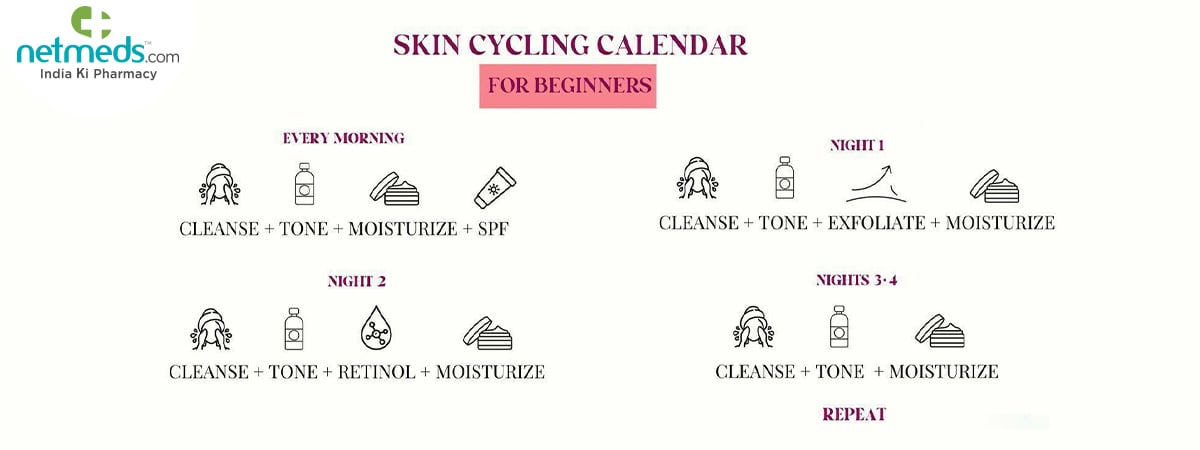
Here is the deal: skin cycling is basically a step-by-step nighttime routine, where you rotate nights using actives with recovery nights in between. Instead of piling on exfoliants and retinoids every night, you break things up. That way, your skin gets good stuff but also enough time to heal and rebuild. It is about working smarter, not harder.
Also Read: Ultimate Daily Skincare Routine: Why It Needs Nurture Every Day And Steps To Stay Radiant
Night 1: Exfoliate
Night 2: Retinoid (think retinol or retinal)
Night 3 and 4: Recovery (hydration and barrier repair stuff)
Repeat.
That is it. Instead of slapping retinoids and acids on every night, you give your skin breathing room. Recovery days are where your barrier repairs and heals, and that means fewer freakouts.
Why Is Skin Cycling Still Popular In 2026?
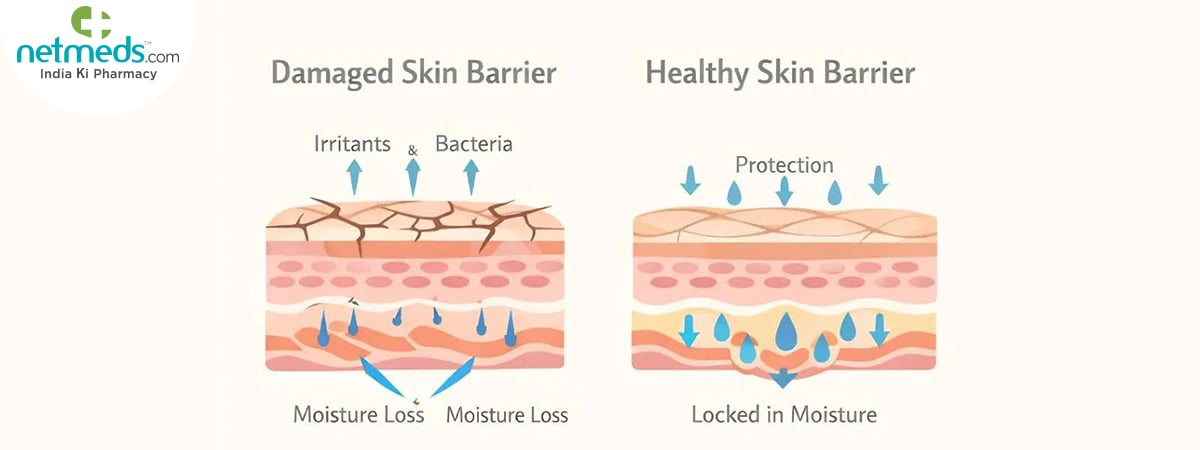
Why hasn’t skin cycling faded like other viral skincare hacks? It works. And it is all about keeping your skin barrier strong, something derms and scientists haven’t stopped caring about. Skincare formulas are way more intense these days. Layering a bunch of actives daily? That is a recipe for angry, stressed-out skin. Skin cycling is just a smart way to balance the bold stuff with gentler nights.
Best Benefits Of Skin-Cycling
Less Skin Irritation
When you don't pile all your active ingredients on at once, your skin feels less red, irritated, or dry, especially if you are just starting out.
Stronger Skin Barrier
Giving your skin some downtime lets it heal and rebuild its barrier. That means it holds onto moisture better and stands up to everyday stress.
Products Work Better
With healthy skin, you can actually handle things like retinoids and exfoliants. You get the real benefits, without all the annoying side effects.
Healthier Aging
Retinoids help your skin make more collagen and get smoother, while smart exfoliation keeps those skin cells turning over like they should.
Brighter Skin
Exfoliating on a regular basis clears out those dead skin cells and brings out the glow underneath; hello, smoother and brighter skin.
Who Is Skin Cycling For?
If you are just getting into retinol, have sensitive or dry skin, or get irritated by actives, give it a shot. Combo skin works, too. If you want to smooth out fine lines or fix patchy tone, it is worth trying. If you are on prescription skincare, though, check with your derm before switching it up.
Here Is A Simple Skin-Cycling Routine:
Night 1: Exfoliate, go with a gentle chemical exfoliant (like AHAs or BHAs), then moisturize.
Night 2: Retinoid; dab a pea-sized amount of retinol or retinal and follow with moisturizer.
Nights 3 and 4: Recovery; focus on hydration and barrier repair. Look for ceramides, hyaluronic acid, glycerin, panthenol, or squalane. Skip the extra actives these nights.
Is Skin-Cycling For Everyone?
Not really. Some people can handle actives nightly. Others with stuff like eczema, rosacea, or severe acne will need custom advice from their dermatologist. The best routine is whatever keeps your skin happy.
Common Mistakes To Avoid While Following Skin-Cycling
Using rough scrubs instead of gentle exfoliants
Piling on too much retinol
Forgetting moisturizer
Trying a bunch of actives at once
Skipping sunscreen in the morning
Expecting magic overnight
Consistency and patience matter. Skin takes time.
Expert Tips For Better Results
Wear SPF 30+ every day, no excuses.
Don’t complicate your routine. Keep it simple.
Add only one new product at a time.
Don’t mix strong acids and retinoids together.
Stay hydrated, eat well, and get enough sleep.
Frequently Asked Questions
Is skin cycling still effective in 2026?
Yep. Dermatologists are still fans, especially for beginners and anyone with sensitive skin. It just makes things easier and less harsh.
Can oily skin do skin cycling?
Of course. Oily and acne-prone skin can benefit, just choose actives that suit your skin.
How soon do you see results?
Usually you’ll spot smoother, healthier skin in 6–12 weeks if you stick with it.
Can I use vitamin C with skin cycling?
Definitely. Use vitamin C in the morning; keep skin cycling routines for nighttime.
Conclusion
Skin cycling isn’t just another fleeting trend; it has lasted because it helps your skin get what it needs: balance and time to recover. It lets you use exfoliants and retinoids for better skin without overload. If you are new to skincare, sensitive, or just fed up with irritation, it is a solid approach. Sunscreen, gentle cleansing, and steady hydration alongside it deliver healthier, stronger, and more glowing skin.
References:
1.American Academy of Dermatology (AAD). Skin Care Basics.
2.Cleveland Clinic. Retinol: Benefits and Side Effects.
https://health.clevelandclinic.org/
3.Mayo Clinic. Skin Care: 5 Tips for Healthy Skin.
4.National Institutes of Health (NIH). Skin Barrier Function and Dermatology Research.
5.Harvard Health Publishing. Skin Care and Healthy Aging.
 Previous