


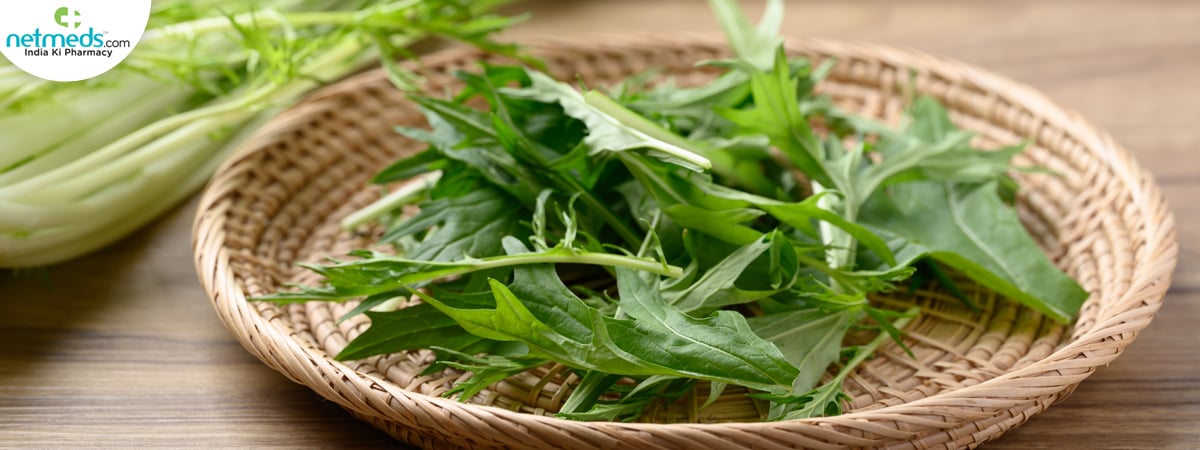
Sea beet is a rare leafy green with a unique history and several nutritional benefits, making it worth adding to a healthy eating plan. Scientifically known as Beta vulgaris subsp. maritima, sea beet is a wild ancestor of familiar vegetables such as beetroot, Swiss chard and sugar beet. It is naturally found in coastal regions of Europe and the Mediterranean, where it can tolerate salty conditions.
Unlike beetroot, which is valued mainly for its swollen root, sea beet is appreciated for its edible leaves. Sometimes referred to as wild beet or wild spinach, it has leaves that can be eaten cooked and is used as a leafy vegetable in some regions.
Also Read: 5 Reasons Why Beetroot Is A Blessing To Your Skin, Hair
What Is Sea Beet?
Sea beet is part of the same species as several widely cultivated beet crops. The plant generally has dark-green, fleshy leaves and naturally grows along coastal habitats. Its ability to withstand relatively high salt levels helps it survive in challenging maritime environments. Sea beet populations occur across parts of the Mediterranean and Atlantic coastal regions.
Also Read: 5 Cool Ways To Use Cucumber For An Instant Glow
5 Potential Benefits Of Sea Beet
Loaded With Micronutrients
Like other edible leafy vegetables, sea beet can contribute micronutrients to the diet. Its leaves are the part traditionally consumed, although the exact nutritional composition can vary depending on growing conditions, maturity, and preparation.
Naturally Adapted To Salty Environments
A unique quality of sea beet is its ability to grow and thrive in salty coastal environments. Its ability to grow in saline environments has made it valuable for its adaptability to harsh conditions and its potential role in improving future crops.
Closely Related To Beetroot And Swiss Chard.
Quite like beetroot, Swiss chard and sugar beet, all these cultivated varieties originated from wild beet populations. This makes sea beet an intriguing example of how wild plants have supported the development of improved crop varieties.
Brings Variety To Your Plate
Eating a wider variety of vegetables can make meals more interesting while helping diversify the range of nutrients obtained from plant foods. Sea beet can be prepared similarly to other sturdy leafy greens, depending on local culinary traditions.
Important For Crop Development
Sea beet is more than a food plant. Its genetic diversity is important for crop research and breeding because wild populations can contain useful traits related to environmental adaptation. Recent research highlights sea beet as a valuable reservoir of genetic diversity.
Also Read: Root Veggies: Here Is Why You Should Eat Them During Monsoon- Sumptuous Recipes Inside
How To Enjoy Sea Beet In Your Meals?
The young leaves of this plant can be prepared like other leafy greens. They may be cooked, sautéed, or incorporated into soups and vegetable dishes. Because wild plants can be confused with other species, never consume a foraged plant unless identified by a qualified expert. Sea beet collected from polluted roadsides, industrial areas, or contaminated coastal sites should also be avoided.
Sea Beet Vs Beetroot: What Is The Difference?
Although sea beet and beetroot are closely related, they are not the same plant form. Sea beet is a wild coastal relative with leafy growth, while beetroot is a cultivated form selected primarily for its enlarged edible root. Sea beet is also considered the wild ancestor of cultivated beet crops.
Frequently Asked Questions
Is Sea Beet Edible?
Yes, sea beet is recognised as an edible wild beet, and its leaves have been used as a leafy vegetable. However, it must be eaten after proper identification.
Is Sea Beet The Same As Beetroot?
No. Sea beet (Beta vulgaris subsp. maritima) is a wild relative and ancestral form of cultivated beets, including beetroot and Swiss chard.
Where Does Sea Beet Grow?
Sea beet thrives mainly in coastal areas around the Mediterranean and parts of the Atlantic coast of Europe and North Africa, where it can tolerate saline conditions.
Conclusion
Not as familiar as spinach, sea beet is much more than an unusual wild vegetable. Its close relationship with beetroot, Swiss chard, and sugar beet makes it an interesting choice among lesser-known leafy greens.
References:
https://www.tandfonline.com/journals/iijf20
https://www.foodandnutritionjournal.org/
 Previous


