


Summer is a great time to enjoy outdoor activities with your furry friends, but rising temperatures can create serious health risks for pets. Whether you are taking your dog for a daily stroll, visiting a park, or exploring local trails, understanding the best practices for walking pets in summer is crucial. From preventing heatstroke and dehydration to protecting sensitive paw pads from hot pavement, these summer pet safety tips will help keep your dog safe, healthy, and comfortable. Follow these expert-backed hot weather pet care strategies to enjoy safe summer walks with your pet while reducing the risks associated with high temperatures.
Also Read: Pet Care 2025: How to Keep Your Furry Friends Healthy And Happy
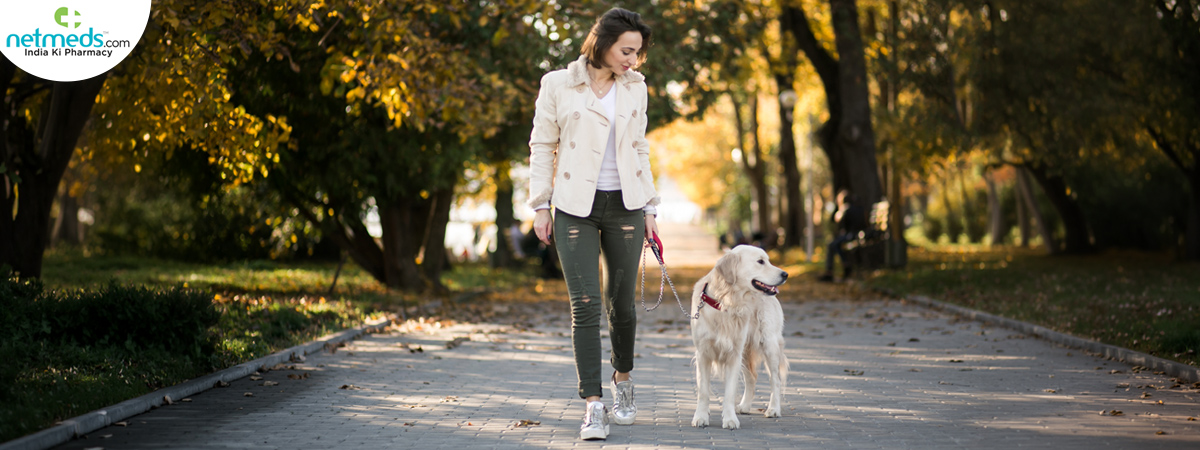
Why Walking Pets in Summer Requires Extra Attention?
Unlike humans, pets have limited ways to cool themselves down. Excessive heat, hot pavement, and humidity can quickly lead to dehydration and overheating. Following proper summer pet safety guidelines ensures your pet enjoys outdoor adventures without unnecessary health risks.
Walk Your Pet During Cooler Hours
The best time for summer dog walking is early morning or late evening when temperatures are lower. Avoid walks during peak heat hours, typically between 10 in the morning and 4 in the evening, when the risk of heat exhaustion is highest.
Benefits of cooler walks include:
· Reduced risk of heatstroke
· More comfortable temperatures
· Cooler walking surfaces
· Improved exercise experience
Protect Your Pet's Paws From Hot Pavement
One of the most overlooked aspects of pet walking safety in summer is pavement temperature. Asphalt and concrete can become dangerously hot and cause painful burns.
Ways to protect paws:
· Walk on grass whenever possible
· Choose shaded routes
· Use protective dog booties
· Apply pet-safe paw balm
Keep Your Pet Hydrated During Summer Walks
Proper hydration is essential for maintaining your pet's health during hot weather. Always carry fresh water and a portable bowl when heading outdoors.
Signs of dehydration in pets include:
· Excessive panting
· Dry nose and gums
· Lethargy
· Sunken eyes
Offering water every twenty minutes during longer walks can help prevent dehydration and overheating.
Also Read: Why Is Quality Pet Food Essential? Uses, Benefits, and 5 Ways To Ensure Safety
Learn the Warning Signs of Heatstroke in Pets
Heatstroke is one of the most serious summer dangers for dogs and other pets. If you notice these signs, move your pet to a cool area immediately, offer water, and seek veterinary assistance as soon as possible.
Common symptoms include:
· Heavy panting
· Excessive drooling
· Rapid heartbeat
· Weakness or dizziness
· Vomiting
· Collapse
Choose Shaded and Pet-Friendly Walking Routes
Selecting cooler environments can make a significant difference in your pet's comfort. Tree-lined paths, parks, and nature trails provide shade and reduce exposure to direct sunlight. Look for pet-friendly locations that offer:
· Water stations
· Shaded rest areas
· Grass-covered paths
· Safe exercise spaces
Also Read: Essential Pet Care Tips: 10 Mistakes First-Time Dog Or Cat Owners Make
Frequently Asked Questions
Is it safe to walk dogs in 90°F (32°C) weather?
Walking dogs in high temperatures can be risky. Schedule walks during cooler parts of the day and monitor your dog closely for signs of overheating.
How can I tell if the pavement is too hot?
Use the seven-second hand test. If the pavement feels too hot for your hand, it can burn your pet's paws.
How much water should I bring on a summer walk?
Carry enough water for both you and your pet, especially for walks lasting longer than 20 minutes.
References:
Pet ownership and human health: a brief review of evidence and issues
June McNicholas, psychologist, Andrew Gilbey, lecturer, Ann Rennie, general practitioner, and Sam Ahmedzai.
https://www.ncbi.nlm.nih.gov/pmc/articles/PMC1289326/
https://international-animalhealth.com/
https://www.vet.cornell.edu/departments-centers-and-institutes/cornell-feline-health-center/health-information/feline-health-topics
 Previous


