When we think about protein-rich foods, we usually picture eggs, lean meat, fish, dairy or lentils. Fruit may not be the first choice that comes to mind when you think about rich sources of protein. Do you know that a few fruit varieties also contain protein? Though they may not be a primary source of protein, a few fruit varieties contain more protein than others and can complement a wholesome, protein-rich diet plan.
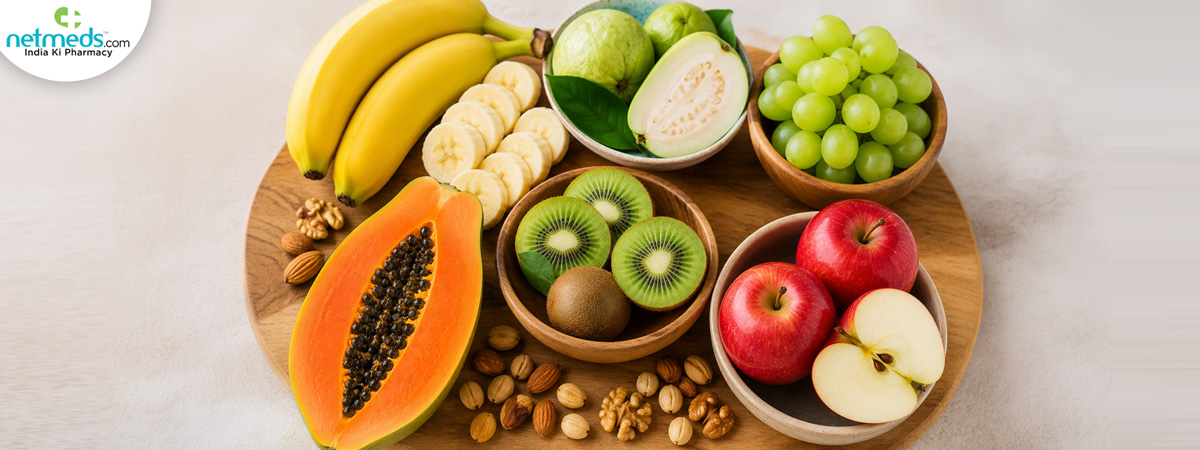
Adding fruits that are rich in protein to your regular diet not only promotes muscle health, but also supplies an impressive amount of vitamins, minerals, antioxidants and dietary fiber that promote overall health. Moreover, pairing fruits with nuts, seeds, yoghurt, or any protein-rich foods can further boost their nutritional value.
Explore this article to learn more about seven fruits rich in protein, their benefits and easy ways to add them to your diet.
Also Read: Healthy Fruit Eating: Essential Precautions Everyone Should Follow
Why Do Some Fruits Contain More Protein Than Others?
Well, not all fruits have the same nutritional profile. Some fruits naturally contain more protein owing to the differences in their seed content, plant biology and overall nutrient profile. Some tropical fruits like guava and jackfruit contain higher amounts of certain nutrients and dietary fiber, however, nutrient composition differs widely between fruits.
Seed Density
Fruits with more edible seed content possess slightly higher protein content. Seeds naturally comprise nutrients required for plant growth. Fruits like guava and passion fruit come under this category.
Lower Water Content
Fruits with low water content are naturally loaded with dense nutrients. Bananas and avocados are denser compared to watermelon and muskmelon.
Tropical Conditions
Most tropical fruits have thick, nutrient-rich flesh. Jackfruit and guava are a few fruits that are slightly higher in protein than other commonly consumed fruits.
Soil Profile
Soil quality and growing conditions of the plant can influence the nutrient profile, though genetics and fruit variety play a larger role.
Some fruits offer iron alongside protein, making them a right fruit heaped with nutrients for balanced diets.
7 Fruits Rich in Protein
Guava
Guava tops the list of protein-rich fruits that offer approximately 4.2 g of protein per serving. It is also heaped with vitamin C, fibre, potassium, and antioxidants that support immunity and digestive health. Including guava in your diet regimen may promote muscle recovery, stabilise blood sugar levels and enhance heart health.
Eat fresh guava as a standalone snack, add to smoothies, fruit salads, or yoghurt bowls.
Avocado
Avocado is one of the fruits rich in heart-healthy monounsaturated fatty acids, besides offering 3 g of protein per serving. It is also an abundant source of fiber, folate and potassium. This nutrient-loaded fruit promotes satiety, improves nutrient absorption and maintains healthy cholesterol levels.
Spread avocado butter on toast, blend into smoothies, add to salads, or prepare guacamole.
Jackfruit
Jackfruit is one of the protein-rich tropical fruits that offers 2.8g per serving. It is also rich in vitamin C, potassium, magnesium, and dietary fibre. Jackfruit supports digestion, boosts energy levels, eases inflammation and triggers the immune system.
Also Read: Raw Green Jackfruit Powder: Nutrition, Health Benefits, Uses, and Side Effects
Raw jackfruit can be used to make delicious curries, stir-fries and a vegan source of meat. While ripe jackfruit can be added to smoothies, jams, and other desserts.
Blackberries
Blackberries are a storehouse of antioxidants, fibre, manganese, vitamin C, and contain about 2 g of protein per serving. Blackberries safeguard the cells from oxidative stress promotes heart and skin health. Berries can be added to oatmeal, smoothies, yoghurt, or enjoyed as a healthy snack.
Apricots
Apricots offer about 2.3 g of protein along with beta-carotene, vitamin A, potassium, and antioxidants. They improve eye health, enhance skin radiance, boost gut health and help maintain healthy blood pressure. Enjoy them as fresh, dried, or blended into smoothies.
How to Increase Protein Intake By Having Fruits
Although fruits alone cannot meet your daily protein requirements, combining them with other protein-rich foods creates balanced meals. Try these amazing pairs like:
Guava with Greek yoghurt
Kiwi with cottage cheese
Blackberries in a wholesome protein smoothie
Avocado on whole-grain toast with boiled eggs
Jackfruit with lentil-based curries
Apricots with almond butter on whole-grain toast
These combinations provide protein, fibre, vitamins, and healthy fats for sustained energy.
Who Should Eat Protein-Rich Fruits?
Fruits are an ideal choice of food that meets the demands of micronutrients, and they can be incorporated into:
Vegetarians and vegans
Fitness enthusiasts
Growing children
Older adults
Individuals recovering from illness
Those aiming for healthy weight management
Can Fruits Replace Protein Foods?
No. While these fruits contribute fair amounts of protein, they should not replace complete protein sources such as pulses, dairy, eggs, fish, poultry, soy products, or lean meats. Instead, use them as nutritious additions to a balanced diet.
Frequently Asked Questions
Which Fruit Has The Highest Protein?
Guava is among the highest-protein fruits, providing approximately 4.2 grams of protein per cup.
Are Fruits Good Sources Of Protein?
Fruits contain modest amounts of protein and should complement, not replace, primary protein sources such as legumes, dairy, eggs, fish, soy, and lean meats.
Can Protein-Rich Fruits Help With Weight Loss?
Yes. The richness of fibre and water content helps keep you satiated, which may support healthy weight management when included in a balanced diet regimen.
Conclusion
Fruits are not typically considered high-protein foods; however, a few options like guava, avocado, jackfruit, blackberries, apricots, kiwi, and raisins deliver more protein than most fruits while delivering fibre, antioxidants, vitamins, and minerals. Including these fruits alongside traditional protein-rich foods can help improve your nutrient intake and support overall health.
References:
https://pmc.ncbi.nlm.nih.gov/articles/PMC11397706/
Determination of the Protein and Amino Acid Content of Fruit, Vegetables and Starchy Roots for Use in Inherited Metabolic Disorders
Fiona Boyle 1,*, Gary Lynch 2, Clare M Reynolds 2, Adam Green 3, Gemma Parr 3, Caoimhe Howard 4, Ina Knerr 4, Jane Rice 1
https://www.sciencedirect.com/science/chapter/edited-volume/abs/pii/B9780443133701000144
 Previous