Prishnaparni (Uraria picta) is a well-known medicinal herb in Ayurveda, valued for its powerful anti-inflammatory, rejuvenating, and strengthening properties. As one of the ten roots in the classical Dashamoola formulation, it has been traditionally used to support respiratory health, boost immunity, reduce pain, and restore overall vitality.
This lesser-known herb plays a significant role in managing Vata-related disorders, improving physical strength, and promoting holistic wellness.
In this blog, we explore what Prishnaparni is, its plant profile, medicinal qualities, Ayurvedic properties, health benefits, dosage, side effects, and precautions to help you use it safely and effectively.
What Is Prishnaparni (Uraria picta)?
Prishnaparni, scientifically known as Uraria picta, is a medicinal herb widely used in Ayurveda. It is one of the important herbs in the classical Ayurvedic group called Dashamoola, a combination of ten roots used to treat inflammation, respiratory issues, and nervous system disorders.
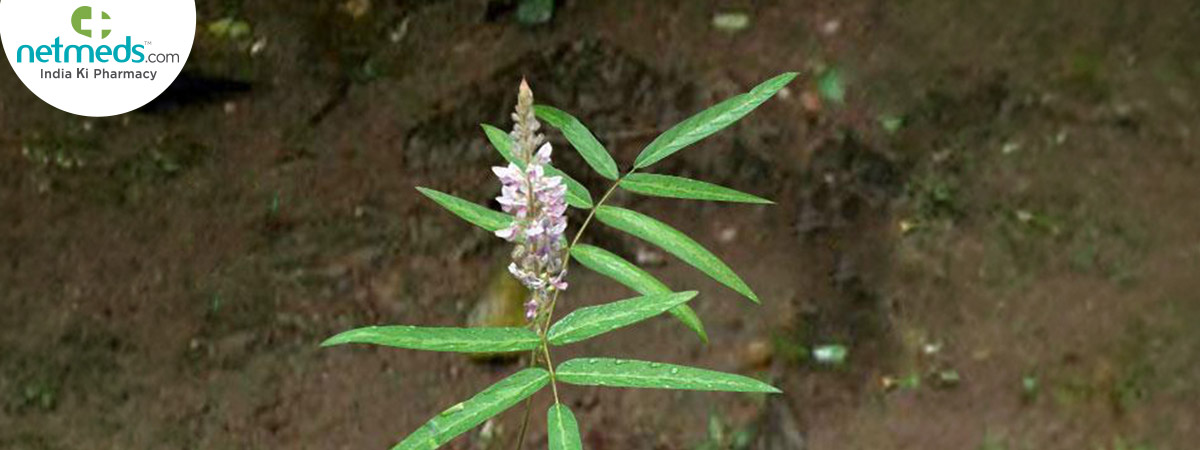
The name “Prishnaparni” roughly translates to “spotted leaves,” referring to the unique markings found on its foliage. Traditionally, the roots, leaves, and whole plant are used for therapeutic purposes.
It is primarily known for its anti-inflammatory, rejuvenating (Rasayana), and strengthening (Balya) properties, making it highly valued in Ayurvedic formulations.
Plant Description Of Prishnaparni
Prishnaparni is a small, spreading perennial herb or undershrub that typically grows up to 1–3 feet in height, thriving in tropical and subtropical regions of India. It is commonly found in open grasslands, forest margins, and dry deciduous areas.
The plant bears compound leaves with characteristic pale or whitish streaks or spots, which give it the name “Prishnaparni,” meaning “spotted leaves.” The leaves are soft, slightly hairy, and arranged alternately along the stem.
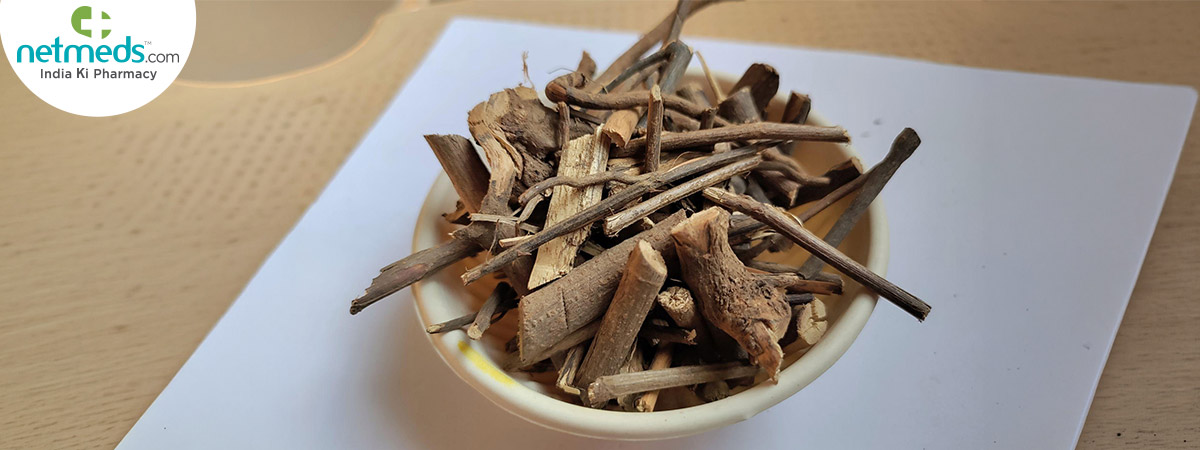
Prishnaparni produces small, pink to purplish flowers arranged in elongated clusters, which later develop into tiny pods containing seeds. The root system is well-developed, cylindrical, and fibrous, and it is the most commonly used part for medicinal purposes in Ayurveda.
Overall, the plant is valued not for its appearance but for its potent therapeutic roots, which are widely used in classical formulations like Dashamoola.
Vernacular And Other Names of Prishnaparni
Scientific: Uraria picta
Sanskrit: Prishnaparni, Prisniparni
English: Spotted Leaved Uraria
Hindi: Pithvan, Prishnaparni
Tamil: Orilai Mullu
Telugu: Kolaponna
Kannada: Muttuga gida
Malayalam: Orila
Marathi: Pithvan
Gujarati: Pithavan
Bengali: Pitaban
(Note: Prishnaparni is a classical Ayurvedic herb mentioned in ancient texts, so it has well-established Sanskrit roots. Regional names may vary slightly depending on local traditions and dialects.)
Prishnaparni Medicinal Qualities
Prishnaparni contains several bioactive compounds that contribute to its healing properties, including:
Flavonoids (antioxidant activity)
Alkaloids (therapeutic effects)
Glycosides
Tannins
Key Therapeutic Actions:
Anti-inflammatory
Analgesic (pain-relieving)
Antioxidant
Immunomodulatory
Nervine tonic
Rejuvenative (Rasayana)
Ayurvedic Properties Of Prishnaparni
According to Ayurveda, Prishnaparni has the following properties:
Rasa (Taste): Madhura (sweet), Tikta (bitter)
Guna (Quality): Laghu (light), Snigdha (unctuous)
Virya (Potency): Ushna (heating)
Vipaka: Madhura
Dosha Effect: Balances Vata and Kapha, may mildly increase Pitta if overused
These properties make it especially beneficial in conditions involving weakness, inflammation, and Vata disorders.
10 Powerful Health Benefits Of Prishnaparni
Reduces Inflammation
Prishnaparni is highly valued for its potent anti-inflammatory properties, making it beneficial in conditions like arthritis, joint pain, and muscle stiffness. It helps calm aggravated Vata dosha, which is often responsible for pain and dryness in the joints. Regular use may help reduce swelling, improve joint mobility, and provide long-term relief from chronic inflammatory conditions.
Boosts Immunity
Packed with antioxidant compounds, Prishnaparni strengthens the body’s natural defence system. It helps combat free radical damage and supports immune cell function, making the body more resilient against infections, seasonal illnesses, and general weakness. This makes it particularly useful during seasonal transitions or recovery phases.
Also Read: Immunity Boosters: 6 Powerful Herb Infused Concoctions You Must Have For Enhanced Health
Enhances Stamina
Known as a Balya (strength-enhancing herb) in Ayurveda, Prishnaparni helps improve physical endurance and vitality. It is often recommended for individuals recovering from illness, fatigue, or physical exhaustion. By nourishing body tissues (Dhatus), it promotes sustained energy and reduces feelings of weakness.
Supports Respiratory Health
Prishnaparni is widely used in classical formulations like Dashamoola for managing respiratory conditions such as cough, asthma, and bronchitis. It helps clear excess mucus, reduces inflammation in the airways, and improves breathing capacity. Its expectorant properties make it useful in relieving chest congestion and promoting lung health.
Also Read: Respiratory Health: 5 Incredible Herbs To Boost Your Lung Power
Strengthens the Nervous System
This herb acts as a gentle nervine tonic, helping calm the mind and support nervous system function. It may reduce stress, anxiety, and nervous fatigue by promoting relaxation and mental clarity. Regular use can help improve overall emotional balance and resilience to stress.
Promotes Faster Wound Healing
Prishnaparni exhibits antimicrobial and anti-inflammatory actions that support faster healing of wounds and injuries. It helps reduce inflammation at the affected site, prevents infection, and promotes tissue regeneration. Traditionally, it has been used both internally and externally for healing purposes.
Improves Gut Health
By stimulating Agni (digestive fire), Prishnaparni supports better digestion and nutrient absorption. It helps relieve common digestive issues such as bloating, gas, and indigestion. Its mild carminative properties make it beneficial for maintaining a healthy gut environment.
Also Read: Digestive Health: 5 Amazing Herbs For Uplifting Gut Health And Function-Infographic
Helps in Fever Management
Prishnaparni is traditionally used in Ayurvedic formulations to manage fever and support recovery. It helps reduce body inflammation, promotes sweating, and aids in detoxification. Its immune-boosting action also helps the body recover faster from infections and febrile conditions.
Augments Reproductive Health
This herb is believed to nourish reproductive tissues and improve overall vitality. It may help enhance strength and stamina in individuals experiencing weakness or debility. In Ayurveda, such Rasayana herbs are often used to support reproductive health and overall well-being.
Acts as a Rejuvenator (Rasayana)
Prishnaparni is considered a Rasayana herb, meaning it helps rejuvenate the body and slow down degeneration. It nourishes all seven body tissues (Dhatus), promotes longevity, and enhances overall vitality. Regular use may support better energy levels, improved immunity, and a balanced physiological state.
Prishnaparni Dosage
The dosage may vary depending on the form and individual health condition:
Powder (Churna): 3–6 grams per day with warm water or milk
Decoction (Kwath): 30–50 ml once or twice daily
Capsules/Tablets: As directed by an Ayurvedic practitioner
Dashamoola formulations: As prescribed
Always start with a lower dose and consult a qualified practitioner for personalised guidance.
Side Effects Of Prishnaparni
Prishnaparni is generally safe when used appropriately, but excessive use may lead to:
Increased body heat (due to Ushna potency)
Possible allergic reactions (rare)
Precautions Before Using Prishnaparni
Pregnancy and breastfeeding: Use only under medical supervision
Chronic conditions: Consult a healthcare provider before use
Children: Use in mild doses with guidance
Avoid self-medication for long-term use
Conclusion
Prishnaparni (Uraria picta) may not be widely talked about, but it holds a significant place in Ayurvedic healing. From reducing inflammation and boosting immunity to supporting respiratory and nervous system health, this herb offers a wide range of benefits.
As a part of traditional formulations like Dashamoola, it continues to prove its relevance even today. When used mindfully and under proper guidance, Prishnaparni can be a valuable addition to your natural wellness journey.
References
1. https://www.ncbi.nlm.nih.gov/pmc/articles/PMC3215351/
2. https://www.sciencedirect.com/topics/pharmacology-toxicology-and-pharmaceutical-science/uraria-picta
3. https://www.ayurvedaplusworld.com/prishnaparni-benefits
 Previous