


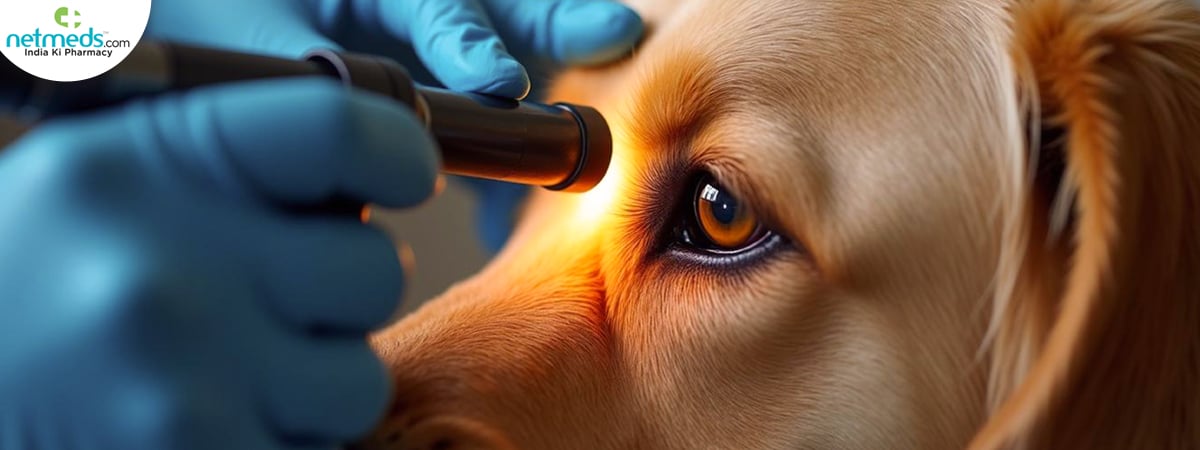
To explore their surroundings, stay safe, and communicate with us, our pets, whether cats, dogs, birds, or rabbits- rely on their eyes. Pets, like humans, can also develop eye problems ranging from mild irritation to serious conditions that may affect their vision. This makes pet eye care an important part of routine pet health and grooming. Regular eye examinations, safe grooming practices, and prompt veterinary care for any eye-related concerns can help protect your pet’s vision and support long-term eye health. Whether you have a dog, cat, or another companion animal, understanding basic pet eye health can help support their long-term health, comfort, and quality of life.
Also Read: Telehealth For Pets: Can Virtual Vet Visits Replace In-Person Care? Pros And Cons
Healthy eyes are important for your pet’s overall quality of life. Routine pet eye care can help owners notice changes early and seek veterinary advice when necessary. Eye conditions that remain undiagnosed or untreated may cause pain, discomfort, anxiety, and, in some cases, permanent vision loss. Since some pet eye problems can progress quickly, recognising unusual symptoms and seeking veterinary attention promptly is important.
What Are Some Common Eye Problems In Pets?
When the eye’s outer membrane and eyelids are inflamed, it causes conjunctivitis in pets, with redness, discharge, and excessive blinking as symptoms. Allergies, bacteria, or irritants can trigger this problem. Untreated conjunctivitis can become painful and lead to more serious infections, so prompt veterinary care is essential for your pet's health.
Corneal Ulcers
Corneal ulcers are painful wounds on the eye’s surface, caused by scratches, trauma, or infections. Excessive tearing and sensitivity to light are some common symptoms. If not addressed on time, it may lead to loss of vision. Early diagnosis and medication can effectively treat this condition.
Glaucoma
When fluid builds up in the eye, increasing pressure and sometimes damaging the optic nerve, it is referred to as glaucoma. Signs include a bulging eye, cloudiness, pain, and vision loss. To relieve pressure and preserve sight, contact a vet at the earliest if you notice any such symptoms.
Dry Eye
Dry eye (medically referred to as keratoconjunctivitis) occurs when tear production is insufficient, leading to irritation, redness, and thick discharge. Immune deficiencies in pets can cause this problem. Without adequate lubrication, the eye becomes vulnerable to infections and ulcers. Prescription eye drops are commonly used to manage and treat this condition.
Cherry Eye
Cherry eye occurs when the gland in a pet’s third eyelid prolapses and becomes visible, creating a red, swollen mass in the corner of the eye. It’s most common in young dogs and certain breeds. While not typically painful, it requires veterinary treatment to prevent long-term irritation or damage.
Entropion
Entropion is an eyelid condition in which the eyelid rolls inward, causing the eyelashes or surrounding hair to rub against the eye. This can result in irritation, excessive tearing, discomfort, and damage to the cornea. It is more common in certain dog breeds and may require veterinary correction. In some cases, surgery may be advised to correct the eyelid position and help prevent persistent irritation, discomfort, and potential vision-related complications.
Also Read: Feline Longevity: Do's And Don’ts To Keep Your Cat Friend Healthy
How To Keep Your Pet’s Eyes Safe?
Here are some simple yet effective measures that you can take to ensure that your four-legged companions stay away from eye problems:
Routine Eye Inspections
Make eye checks a regular habit. Look for signs like redness, cloudiness, or excessive tearing. These can indicate common pet eye problems like conjunctivitis or infections. Gently clean any debris with a damp cotton ball. Early detection through regular inspections is key to effective pet eye care.
Cleaning Techniques
Cleanliness is a simple but powerful tool in your pet’s eye health routine. Use a soft, damp cloth or pet-safe eye wipes to remove discharge and prevent tear stains, especially in dogs. Clean eyes help avoid bacterial buildup that can lead to infections.
Grooming Safely Around Eyes
Always be cautious around your pet’s eyes when grooming. Trim fur carefully around the eyes to prevent irritation. Do not use strong shampoo near the face. You can shield their sensitive eyes by using protective pet eye drops, especially before bathing them.
Creating A Safe Environment
Keep your home free from hazards like sharp objects, thorns, or harsh chemicals that could injure your pet’s eyes. A safe environment reduces the risk of trauma, which is a major cause of pet eye injuries.
Schedule Annual Vet Visits
Professional evaluations are essential for maintaining long-term eye health and catching conditions before they worsen. Include eye exams when taking your pet for a veterinary check-up. Vets can spot early signs of cataracts, glaucoma, or other pet eye diseases that may not be visible to the untrained eye.
(This content is reviewed by Kalyani Krishna, Chief Content Editor)
Author Profile: Preeti Sharma
Preeti Sharma has a master’s in electronic media and mass communication and a certification in short-form writing from Florida. With close to a decade of experience, she specializes in crafting engaging blogs on beauty, veterinary care, and healthy cooking. Preeti is proficient in video editing tools and produces captivating and informative content across multiple platforms.
References:
Antioxidant supplementation increases retinal responses and decreases refractive error changes in dogs
Wei Wang, Jerome Hernandez
https://pmc.ncbi.nlm.nih.gov/articles/PMC4891559/
https://onlinelibrary.wiley.com/page/journal/14635224/homepage/EditorialBoard.html
https://pmc.ncbi.nlm.nih.gov/articles/PMC12115646/
https://www.animaleyecare.com.au/advice-sheets/
https://www.researchgate.net/publication/394447551_Evaluation_of_Eye_Diseases_in_Cats_and_Dogs
https://pubmed.ncbi.nlm.nih.gov/39419213/
https://onlinelibrary.wiley.com/page/journal/14635224/homepage/EditorialBoard.html
 Previous


