


Festivals bring families special meals, sweets, and traditional dishes. Pet owners may also want their dogs and cats to be part of the celebration, especially when they prefer not to serve meat at home. However, choosing the festive foods for pets needs more than just picking ingredients that look healthy. Pet foods that are labelled as complete and balanced are made to give the nutrients that dogs or cats need for a certain stage of life. On the other hand, treats, food toppers, and homemade meals may not give everything an animal needs for good health over time and may never fully meet a pet’s needs on their own.
The good news is that pets can enjoy festive treats without harming their regular food. Some vegetarian foods may be okay for dogs,s while chosen supplements can help with specific needs when a vet recommends them.
This article explains how to check pet food, looks at five festive food choices, and talks about five types of supplements that can fill in missing nutrients.
Also Read: Top Essential Pet Supplements: Why They Matter, Benefits, Dosage And Precautions
Are Commercial Pet Foods a Full Source of Nutrition?
Commercial pet foods can provide nutrition, but not all products are meant to replace regular meals. A food that is called complete and balanced is made to provide the amounts and mix of nutrients for a specific animal type and life stage. Puppies, kittens, adult pets, and animals that are pregnant or nursing may need nutrients. We all know a balanced diet is important for the health of dogs and cats. Commercial diets are made to meet these needs. How well a product works depends on how it is made and what the animal needs.
Also Read: Multi-Pet Care Guide: Essential Tips for Keeping Multiple Pets Happy And Healthy
What Is Important To Consider When Buying Pet Food?
Before choosing a food, think about the following:
Nutritional completeness: Check if the product is for full meals or for occasional or extra feeding.
Life stage: Choose food that's right for your pet's age and what their body needs.
Your four-legged’s breed: Dog food should not be used as cat food,d and cat food should not be used as dog food.
Health: Pets with allergies, weight issues, kidney problems,s or other health issues may need special diets.
Manufacturer information: Look at the nutrition facts, ts feeding instructions,ons and quality claims instead of just believing what the packaging says. A healthy pet eating the full diet will usually not need extra vitamins or minerals unless there is a special reason.
Can Dogs and Cats Eat Homemade Vegetarian Food?
Dogs can get the nutrients they need from a homemade vegetarian diet if it meets all their needs. However, a homemade meal that has a few vegetables, grains, and dairy might lack important amino acids, vitamins, minerals, and other nutrients. Cats need care because they are strict meat-eaters. Their bodies need taurine, arachidonic acid, and preformed vitamin A in the right amounts. A homemade vegetarian meal or regular pet food for dogs that's vegetarian cannot be assumed to meet these needs.
If you want to feed your pet a vegetarian diet, talk to a vet or a nutrition expert before making the switch.
Also Read: Why Quality Pet Food Is Essential? Uses, Benefits And 5 Ways To Ensure Safety
5 Festive Food Choices for Pets Without Meat
The following foods can give dogs some variety when prepared in the right way and given in small amounts. They are treats, not replacements for a meal. Cats have food needs. These foods should not take the place of a cat diet, and any changes should be discussed with a vet.
Plain Pumpkin
Cooked pumpkin without salt, sugar, butter, or spices can be a treat for dogs. It has fibre. Can be added to a simple snack or mixed in small amounts with the dog’s regular food. Too much pumpkin may cause tummy issues or changes in the way the stool looks. Avoid desserts with sugar, cream, sweeteners, or spices.
Serving tip: Cook the pumpkin until soft,t let it cool,ol and give an amount without seasoning. Remove the skin and seeds if needed to make it easier to prepare and feed.
Boiled Sweet Potato
Plain, cooked sweet potato has carbs, fibre,bre and beta-carotene,tene which the body can turn into vitamin A. Give it in small soft pieces without salt, ghee, butter, or spices. Raw or not fully cooked pieces may be hard to chew and digest for small dogs. Sweet potato is a treat, not a source of protein, essential fats, vitamins, and minerals.
Carrots and Cucumber
Carrots and cucumber can be a fun snack for dogs when you want to give them something crunchy. Carrots have beta-carotene, and cucumber has a lot of water. They should not be seen as a replacement for pet food. Wash the vegetables well. Cut them into small pieces that are right for your dog’s size. Big hard pieces can be a risk, especially for small dogs or those that eat quickly.
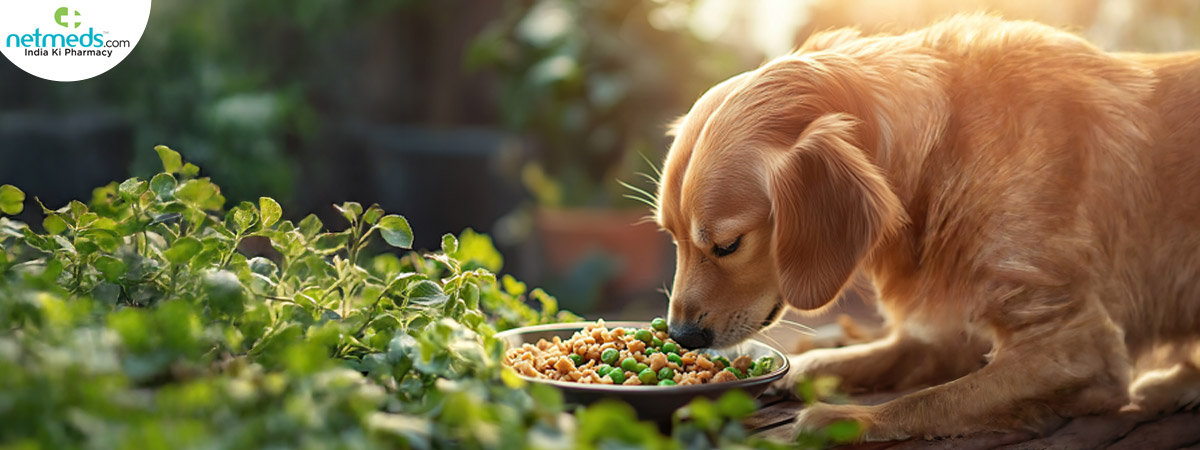
Plain Cooked Green Peas
Green peas offer carbs, fibre and some plant-based protein. A small amount of plain cooked peas can be a treat for healthy dogs. Peas alone cannot give all the essential amino acids and other nutrients needed for a full diet. Avoid peas cooked with onion, garlic, butter, cream, or heavy sauces. If your dog has a condition or is on a special diet, talk to your vet before adding new foods.
Vegetarian Pet Biscuits or Treats
Commercial vegetarian treats made for dogs can be a good option during festivals. Check the list of ingredients and its feeding instructions. Check that they are good for your dog’s age and health. Remember that a vegetarian biscuit labelled as a treat is not always nutritionally complete. If you want to replace meat with a diet, look for a product that is made to be a full meal and talk to your vet about it. Do not think that vegetarian dog food is okay for cats.
Also Read: Essential Pet Care Tips: 10 Mistakes First-Time Dog Or Cat Owners Make
5 Supplements That Can Fill Missing Nutrients
Supplements can help when a pet has a medical condition or a special diet. They should not be added without a reason to a full diet. The right supplement depends on the animal’s type, age, current food, and health. Too much of some vitamins and minerals can be harmful,l so it is important to get advice from a vet.
Multivitamin and Mineral Pe Supplements
These supplements have a mix of vitamins and minerals meant to help with specific needs. They may be used when a vet sees a need or thinks a certain diet needs more. Multivitamins are not always needed for pets on a complete diet. Too much of nutrients like vitamins A and D can be bad. Wrong mineral supplements can mess up the balance of nutrients. Never give your pet a multivitamin meant for humans.
Omega-3 Fatty Acid Supplements
Omega-3 fatty acids like EPA and DHA are known to help in animal nutrition and may be suggested in some cases with skin issues or inflammation. The right product and dose depend on the pet's health,h what they eat, and why they need it. Some products use algae as a source of EPA or DHA. Not all omega-3 products have the fatty acids or amounts,nts and supplements are not a substitute for a balanced diet. Ask your vet if it is right to add fish oil or an algae-based product to your pet's food.
Veterinary Probiotics
Probiotics contain bacteria that may help with digestion in some animals. Some products are used for stomach issues, but the effects depend on the bacteria used, how they are made, and what the problem is. Probiotics do not give all the nutrients a full diet has. Cannot fix a diet that is not made right.
Calcium and Phosphorus Supplements
Calcium and phosphorus are important for teeth, bones, and normal body functions. The amounts and balance must be right for theanimal'ss age and diet. Some homemade meals need minerals. Adding calcium without checking the full diet can cause problems. Puppies are especially at risk for too much calcium. However, do not add calcium or phosphorus to your pet’s food without help from a professional, especially if you are feeding a puppy or a kitten.
Taurine and Other Key Nutrient Supplements
Taurine is a nutrient for cats and helps with heart, vision, and reproduction. Cats need nutrients that must come from a diet that is made right. Other nutrients, like some acids, vitamins, and fats may also need care when a special diet is planned. Taurine alone cannot make a diet that is not balanced and suitable for a cat. The whole diet must be right for the pet.
Festive Foods That Pets Should Not Eat
During festivals such as Navratri, Diwali, i or Holi, pets may accidentally eat sweets, snacks, leftovers, or general foods that are not watched. Some common ingredients can be dangerous, even in small amounts. Keep the following away from dogs and cats:
Chocolate, coffee, and caffeine: These can cause toxicity with effects ranging from digestive upset to heart rhythm problems and seizures.
Grapes and raisins: These can cause kidney injury in dogs.
Products containing xylitol: This sweetener can cause low blood sugar and potentially liver injury in dogs.
Salty or fatty foods: These may cause problems; enriched high-fat foods can contribute to pancreatitis in susceptible animals.
Alcohol and raw yeast dough: Both can pose severe health risks.
Cooked bones: These may cause choking, obstruction, or injury to the digestive tract.
Tips for Keeping Pets Healthy During the Festive Season
A simple precaution can help you include pets in celebrations while protecting their health.
Keep treats limited
Treats should generally account for no more than 10% of daily calorie intake, with the remainder coming from a complete and balanced diet.
Introduce foods gradually
Start with small portions and watch for vomiting, diarrhoea, itching,g or other unusual reactions.
Maintain meal timings
Do not replace your pets’ normal meals with festive leftovers.
Provide clean potable water
Ensure that clean drinking water is always accessible.
Store supplements securely
Human medicines and supplements may contain ingredients that're dangerous to pets.
Follow advice
Pets with chronic conditions, food allergies or special dietary requirements may need an individual feeding plan.
Frequently Asked Questions
Are commercial pet foods a complete diet?
Some are. Products formulated and labelled as complete for the species and life stage are intended to provide essential nutrients in suitable amounts. Treats and complementary feeds may not provide nutrition.
Can dogs eat ready-made pet food every day?
Dogs can eat a formulated vegetarian diet if it meets their nutritional requirements. A homemade diet should be designed with a veterinarian or qualified nutritionist to reduce the risk of deficiencies.
Can cats follow a diet?
Cats have nutritional requirements that make vegetarian feeding particularly challenging. Do not switch a cat to a vegetarian diet without guidance from a veterinarian or qualified veterinary nutritionist.
Should I give my supplements daily?
Not necessarily. Pets eating a complete and balanced diet may not need additional supplements. Unnecessary supplementation can disrupt balance or cause toxicity.
How much festive food can I give my pet?
Keep treats occasional. As a guideline, treats should account for no more than 10% of daily calories, while the remainder should come from a complete and balanced diet. Ask your veterinarian about portions for your pet’s size and health.
Conclusion
Festive celebrations can include pets without compromising their needs. Plain pumpkin, cooked potato, carrots, cucumber, and green peas can provide occasional variety for suitable dogs,s while commercially formulated vegetarian diets may be an option for dogs whose families prefer to avoid meat-based foods. The key is to distinguish between a treat and a complete meal. Multivitamins, omega-3 fatty acids, probiotics, calcium, and taurine each have uses, but none should be added indiscriminately.
Choose a complete species-appropriate diet first, introduce treats in moderation, and use supplements only when there is a clear nutritional or medical reason and veterinary guidance. If you suspect your pet has eaten a food, contact a veterinarian promptly. Do not wait for symptoms to appear or try to induce vomiting unless a veterinary professional specifically instructs you to do so.
References:
What Drives Pet Food Choices? A Systematic Literature Review
https://pmc.ncbi.nlm.nih.gov/articles/PMC12649392/
https://pmc.ncbi.nlm.nih.gov/articles/PMC12346004/
Pet ownership and human health: a brief review of evidence and issues
June McNicholas, psychologist, Andrew Gilbey, lecturer, Ann Rennie, general practitioner, Sam Ahmedzai.
https://www.ncbi.nlm.nih.gov/pmc/articles/PMC1289326/
https://international-animalhealth.com/
https://www.vet.cornell.edu/departments-centers-and-institutes/cornell-feline-health-center/health-information/feline-health-topics
Evaluation of taurine and carnitine concentrations in whole blood, plasma, skeletal muscle, and cardiac muscle in dogs,
Sydney R. McCauley, Stephanie D. Clark,
https://onlinelibrary.wiley.com/journal/14390396
https://epubs.icar.org.in/index.php/IJAN
 Previous


